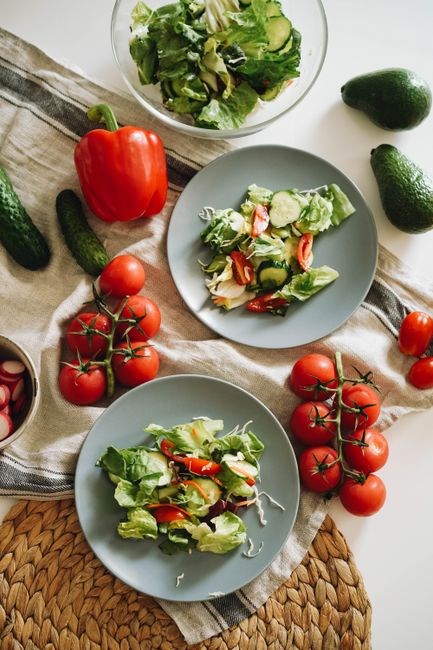
Discover a vegetarian keto plan with free PDF guides that blend low‑carb, high‑fat meals while keeping plant‑based. Studies show vegetarian diets lower heart disease risk, and keto adds metabolic benefits. Download the PDF to start a balanced, tasty, and sustainable keto journey. for beginners.
What Makes It Different from Standard Keto
Vegetarian keto keeps the same low‑carb, high‑fat framework as standard keto but replaces animal protein with plant sources such as tofu, tempeh, seitan, nuts, seeds, and dairy alternatives. This shift reduces saturated fat and may lower LDL cholesterol, a benefit noted in many heart‑health studies. However, plant proteins often lack one or more essential amino acids, so combining legumes with grains or using fortified soy products is essential to meet protein needs. Iron and zinc bioavailability is lower in plant foods, so pairing them with vitamin C‑rich foods improves absorption. Omega‑3 fatty acids, normally obtained from fish, must come from algae‑based supplements or flaxseed, chia, and walnuts to provide EPA and DHA. Because legumes and certain vegetables add carbs, careful portion control and carb‑tracking are crucial to stay below 20 g net carbs per day. Many free PDF guides offer meal plans, shopping lists, and macro calculators to help users balance these variables while staying in ketosis and maintaining adequate micronutrients. Adhering to these guidelines not only supports ketosis but also promotes satiety, reduces cravings, and can improve metabolic markers such as fasting glucose and triglycerides. Users often report increased energy and mental clarity after the initial adaptation phase, and daily vitality!! Daily boost now!!

Core Nutritional Guidelines
Vegetarian keto focuses on 70–80% fat, 20–25% protein, < 5% carbs. Prioritize nuts, seeds, avocado, olive oil, coconut, cheese, eggs, tofu, tempeh, and low‑carb veggies. Use algae or flaxseed oils for omega‑3s, and monitor iron, B12, and zinc with fortified foods or supplements. balanced. health.
Macronutrient Targets for Veg Keto
In a vegetarian keto framework, the goal is to keep carbohydrates below 20–25 g per day while ensuring adequate protein and healthy fats. A typical split might be 70–75 % of total calories from fat, 20–25 % from protein, and 5–10 % from carbohydrates. This distribution supports ketosis, preserves lean muscle, and provides sustained energy from plant‑based sources
Protein should come from eggs, dairy, tofu, tempeh, seitan, and high‑protein legumes in moderation. Aim for 0.8–1.2 g of protein per kilogram of ideal body weight, translating to roughly 60–90 g daily for most adults.
Fat sources are the cornerstone of the diet. Prioritize monounsaturated fats like olive oil, avocado, and nuts; polyunsaturated fats from flaxseed, chia, and walnut oil; and saturated fats from coconut oil, butter, and cheese. These fats should collectively meet the 70–75 % calorie goal, providing 70–80 g of fat per 1,200‑kcal day or 1,800‑kcal day
Carbohydrate allowance focuses on non‑starchy vegetables, leafy greens, and small portions of berries. Net carbs are calculated by subtracting fiber and sugar alcohols from total carbs; Maintain net carbs under 20 g to stay in ketosis, with a typical of 15–20 g per meal
Micronutrient planning is essential. Supplement with vitamin B12, iron, zinc, and omega‑3 (from algae or flaxseed). Use fortified plant milks, nutritional yeast, and leafy greens to cover needs. Tracking macros with a dedicated app or spreadsheet ensures precision and helps adjust portions as weight or activity changes
Remember, individual needs vary. Adjust the macro percentages based on metabolic response, activity level, and body composition goals. A free PDF guide can provide sample meal plans, shopping lists, and conversion tables to simplify tracking and keep the vegetarian keto journey both effective and enjoyable
Sample Free PDF Resources
Find free PDFs on vegetarian keto at sites like DietDoctor, KetoDiet, and MyFitnessPal. Search “vegetarian keto PDF” on Google Scholar or PDF Drive for meal plans, grocery lists, and macro calculators. Many authors share downloadable guides for beginners. Enjoy!
Where to Find Authentic Vegetarian Keto PDFs
Reliable, free PDFs for a vegetarian keto diet can be sourced from several reputable platforms. Below is a focused list of sites that regularly publish up‑to‑date, evidence‑based guides. These PDFs are available in PDF format and can be downloaded directly.
- DietDoctor.com – The Keto Diet section offers downloadable PDFs titled “Vegetarian Keto Meal Plan” and “Low‑Carb Vegetarian Grocery List.” These are updated quarterly and include macro tables.
- KetoDietApp.com – After a quick email sign‑up, you can download the “Vegetarian Keto Starter Kit,” which contains a 7‑day menu, snack ideas, and a shopping list.
- MyFitnessPal.com – Search the Community for user‑shared PDFs tagged “Vegetarian Keto.” Verify authorship by checking the profile’s credentials.
- PDFDrive.com – Enter “vegetarian keto pdf” and filter by file size (<200 KB) to find concise guides. Review download counts and ratings.
- Google Scholar – Use “plant‑based ketogenic diet guide” to find free full‑text academic PDFs that include meal plans and nutrient analyses.
- Reddit (r/keto, r/vegetarian) – Search for “vegetarian keto pdf.” Top‑rated posts often link to dietitian‑created PDFs.
- Healthline.com – Their “Vegetarian Keto Diet” article offers a downloadable PDF version of the meal plan.
- Nutrition.org – The American Society for Nutrition hosts peer‑reviewed handbooks on vegetarian keto, complete with macro charts.
- FreePDFs.org – A niche site dedicated to diet PDFs. Search “vegetarian keto” and sort by recent uploads.
- Dietitians’ Blogs – Many RDs publish free PDF guides. Check for credentials and a nutrient summary.
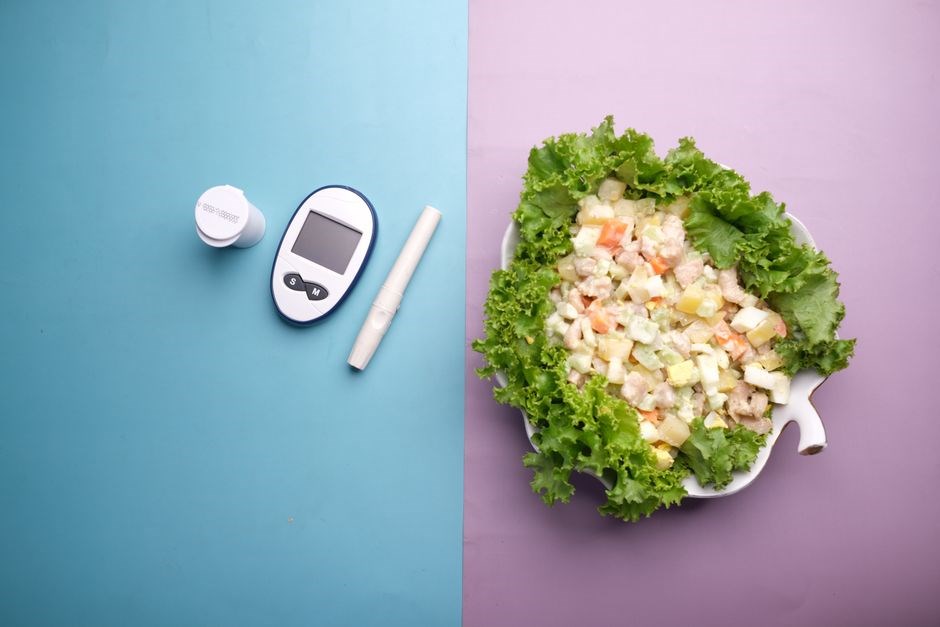
Always verify the PDF’s date, author credentials, and user reviews. Authentic resources provide transparent macro tables, ingredient sourcing, and references to scientific studies. Avoid sites that require payment for “free” downloads, as these often contain outdated or misleading data. Download them safely and keep a copy for future reference. ✓ Verified by dietitians.
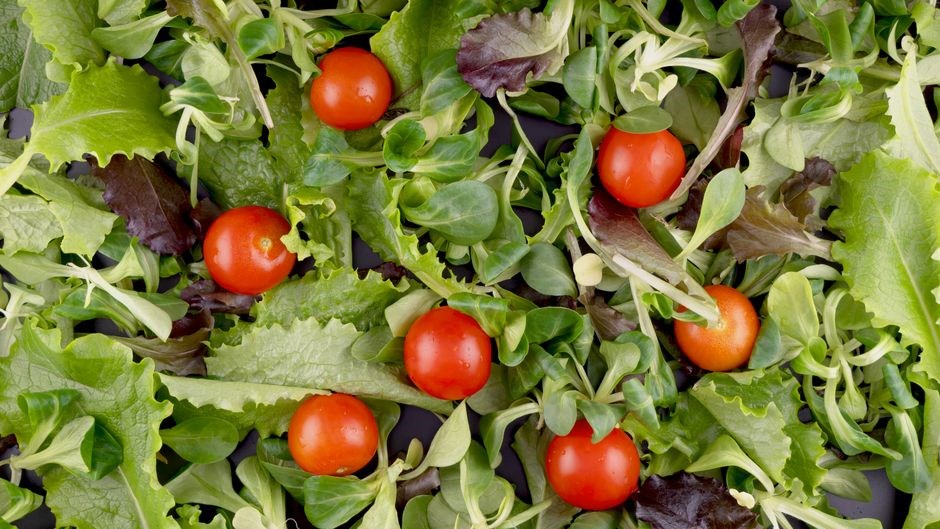
Grocery List for the First Week
Buy leafy greens, avocado, nuts, seeds, tofu, tempeh, coconut oil, olive oil, low‑carb veggies (broccoli, cauliflower), cheese, Greek yogurt, berries, almond milk, chia seeds, flaxseed, and a protein supplement. Add spices, herbs, and a keto‑friendly broth.!!!
High-Fat, Low-Carb Vegetarian Staples
Below is a concise inventory of high‑fat, low‑carb staples that form the backbone of a vegetarian keto regimen. These items are nutrient‑dense, satiating, and easy to incorporate into daily meals. They also align with research indicating that vegetarian patterns can reduce cardiovascular risk while supporting ketosis.
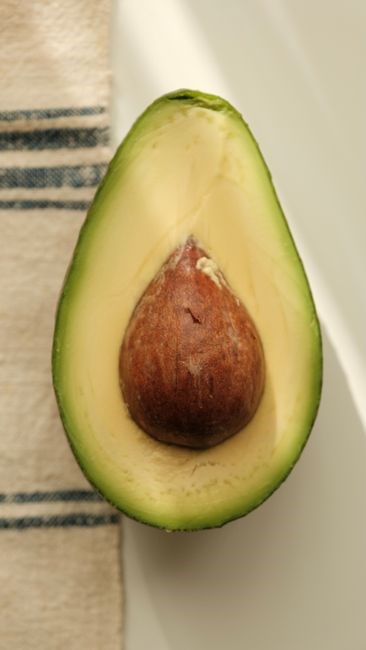
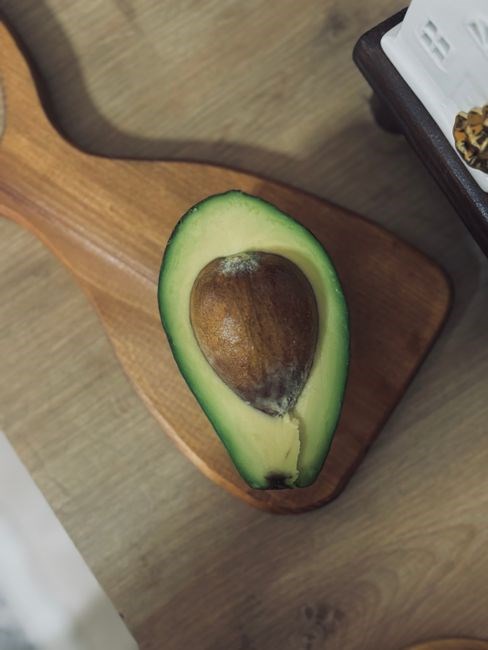
- Avocados – 30 g net carbs per fruit, rich in monounsaturated fats and potassium.
- Olive oil & coconut oil – 100 % fat, ideal for sautéing or dressings; coconut oil adds medium‑chain triglycerides.
- Cheeses (hard & soft) – 1–2 g net carbs per ounce, excellent protein and calcium source.
- Full‑fat Greek yogurt – 3–4 g net carbs per 100 g, high in probiotics and casein.
- Tofu & tempeh – 2–3 g net carbs per 100 g, versatile protein, can be marinated or stir‑fried.
- Leafy greens (spinach, kale, arugula) – <1 g net carbs per cup, loaded with vitamins A, C, K.
- Cauliflower & broccoli – 2–3 g net carbs per cup, great for riced or mashed dishes.
- Nut butters (almond, cashew) – 3–5 g net carbs per tablespoon, creamy texture for sauces.
- Unsweetened cocoa powder – 1–2 g net carbs per tablespoon, useful for keto desserts.
Stocking these items ensures you have robust pantry that supports both satiety and ketosis without compromising plant‑based philosophy.
Week 1 focuses on breakfast smoothies, lunch salads, dinner stir‑fries, and keto snacks. Each day balances 70 % fat, 25 % protein, 5 % carbs. Sample meals: avocado‑coconut smoothie, tofu‑spinach salad, cauliflower‑rice curry, and nut‑butter bites. Enjoy balanced nutrition and track progress daily!
Breakfast, Lunch, Dinner, Snacks
Start your day with a nutrient‑dense smoothie: blend unsweetened almond milk, frozen berries, spinach, chia seeds, and a scoop of plant‑based protein powder; For lunch, enjoy a creamy avocado‑coconut salad: mixed greens, sliced avocado, roasted chickpeas, pumpkin seeds, and a tahini‑lime dressing. Dinner can be a hearty cauliflower‑rice stir‑fry with tofu, broccoli, bell pepper, and a soy‑sesame sauce. Snack options include a handful of walnuts, a small portion of full‑fat Greek yogurt topped with a sprinkle of cinnamon, or a homemade chia‑seed pudding made with coconut milk and a dash of stevia. Each meal aligns with a 70/25/5 macronutrient ratio, ensuring ketosis while staying vegetarian. The free PDF guide provides detailed portion sizes, grocery lists, and step‑by‑step recipes to keep your plan on track.
Breakfast variations: add a tablespoon of almond butter for extra fat, or swap berries for a few raspberries to keep carbs low. Lunch tweaks: replace chickpeas with edamame for a different protein source, or add a splash of olive oil to increase healthy fats. Dinner options: use tempeh instead of tofu for a firmer texture, or incorporate zucchini noodles for a low‑carb alternative. Snacks: try a small serving of avocado slices with sea salt, or a handful of macadamia nuts for a high‑fat boost.
Meal prep tips: cook cauliflower rice in bulk and store in the fridge for up to five days; pre‑chop veggies for quick stir‑fries; portion out nuts and seeds into single‑serve bags.!!
Common Pitfalls and How to Avoid Them
Common pitfalls: nutrient gaps, low protein, dehydration, keto flu, and boredom. Avoid by tracking macros, adding fortified plant milks, staying hydrated, cycling electrolytes, and rotating recipes. Use the free PDF for meal plans, supplement guides, and grocery lists to stay on track. Daily logs!
Nutrient Deficiencies (B12, Iron, Omega-3)
On a vegetarian keto diet, three nutrients often fall short: vitamin B12, iron, and omega‑3 fatty acids. B12 is naturally found in animal products, so veg‑keto followers must rely on fortified foods or supplements. Look for fortified plant milks, nutritional yeast, and a daily B12 tablet; the free PDF guide lists recommended brands and dosage ranges.
Iron deficiency can arise because plant iron (non‑heme) is less bioavailable than the heme form in meat. Pair iron‑rich foods like lentils, pumpkin seeds, and spinach with vitamin C sources (e.g., bell peppers, citrus) to boost absorption. The PDF includes a chart of iron‑rich, keto‑friendly foods and pairing tips.
Omega‑3s are crucial for heart and brain health, yet veg‑keto diets lack the EPA/DHA found in fish. Algal oil capsules provide a plant‑based source of EPA/DHA; alternatively, consume high‑ALA foods such as chia seeds, flaxseed, and walnuts, and consider an algal supplement. The free PDF outlines daily omega‑3 targets and lists affordable algal oil options.
Monitoring these nutrients is essential. Use the PDF’s nutrient tracker sheet to log B12, iron, and omega‑3 intake weekly. If levels drop, adjust fortified foods or supplement doses accordingly. Regular blood work is recommended for B12 and ferritin checks; the guide explains how to interpret results and tweak the diet.
By proactively addressing B12, iron, and omega‑3 needs, you can maintain energy, immune function, and overall health while enjoying the benefits of a vegetarian keto lifestyle. The free PDF provides step‑by‑step instructions, recipes, and shopping lists to keep deficiencies at bay.
Tracking Progress and Adjustments
Use the free PDF’s log sheets to record weight, ketone levels, and energy. Review weekly data, adjust macros, and tweak meal portions. If ketones dip, increase fat or reduce carbs slightly. If energy drops, add nuts or avocado. Stay consistent.Daily log.
Monitoring Ketosis and Weight Goals
Begin by setting clear, realistic weight targets in the free PDF’s goal sheet. Track daily weight on the same scale at the same time of day to reduce variability. Use a digital or paper log to note fluctuations and identify trends. For ketosis, the PDF recommends using urine strips for quick checks and a blood ketone meter for precise readings. Record fasting and post‑meal ketone values; aim for 0.5–3.0 mmol/L for nutritional ketosis. If readings fall below 0.5 mmol/L, consider increasing dietary fat or cutting carbs slightly. If they exceed 3.0 mmol/L, you may be in deep ketosis; monitor for ketoacidosis signs if you’re on a very low carb. Pair ketone data with energy levels and satiety notes; a sudden drop in energy may signal inadequate calories. Adjust macros by adding a tablespoon of olive oil or a handful of nuts, then re‑measure after a few days. Use the PDF’s “Adjustment Tracker” to document changes and outcomes. Review weekly progress: compare weight loss against the target curve, evaluate ketone consistency, and tweak portions accordingly. If weight loss stalls, increase protein intake or reduce carb sources like legumes. If you’re losing weight too quickly, add more vegetables or a small serving of seeds. Remember to hydrate and replenish electrolytes; the PDF lists recommended sodium, potassium, and magnesium intakes. Finally, celebrate milestones: every 5 lb loss or a week of stable ketosis earns a reward, like a new plant‑based recipe from the PDF. Consistent monitoring and timely adjustments keep the vegetarian keto plan on track and sustainable. By integrating these tools, you create a data‑driven approach that empowers you to stay in ketosis, meet weight goals, and enjoy a varied vegetarian menu without compromising nutritional balance. The free PDF also offers a weekly reflection template where you assess mood, sleep, and exercise, linking lifestyle factors to metabolic outcomes. If you encounter plateaus, try a 24‑hour fast once a week or swap a high‑fiber vegetable for a lower‑carb alternative to reset insulin sensitivity.
Frequently Asked Questions
Can a vegetarian keto diet aid weight loss? Yes, low carbs and high fats trigger ketosis, fat. Are supplements needed? B12, iron, omega‑3 are essential; consider fortified foods or vegan fish oil. How stay in ketosis? Monitor ketone levels with strips or a meter!
Can Veg Keto Help with Diabetes?
Studies indicate that a vegetarian keto diet can improve glycemic control in type 2 diabetes by reducing carbohydrate intake and promoting ketosis. Lower insulin spikes lead to better glucose regulation, and the high‑fat, low‑carb framework encourages steady energy release. Plant‑based fats—avocado, nuts, seeds, coconut oil—provide heart‑healthy monounsaturated and medium‑chain triglycerides without the saturated‑fat load of animal products. Regular monitoring of blood glucose and ketone levels is essential; a target of 0.5–3 mmol/L ketones is typical for therapeutic ketosis. Supplements such as vitamin B12, iron, and omega‑3 (from algae) help fill micronutrient gaps. A structured meal plan, available as a free PDF, outlines portion sizes, snack options, and recipes that keep carb counts under 20 g per day while delivering 70–80 % of calories from fat. Patients should consult a dietitian before starting, especially if on medication, to adjust dosages and avoid hypoglycemia. Long‑term adherence has shown reductions in HbA1c, improved lipid profiles, and decreased reliance on insulin or oral hypoglycemics. The vegetarian keto approach offers a sustainable, plant‑rich alternative that supports metabolic health while respecting dietary preferences. In addition, the diet’s emphasis on fiber‑rich vegetables and legumes helps maintain gut microbiota diversity, which is linked to insulin sensitivity. The low glycemic index of most vegetarian keto foods reduces post‑meal glucose excursions. Many users report increased satiety, leading to reduced caloric intake and weight loss, which further improves insulin resistance. The free PDF includes a weekly grocery list, sample menus, and a tracking sheet to monitor weight, glucose, and ketone trends. By integrating intermittent fasting or time‑restricted eating, the benefits can be amplified, though this should be personalized. Finally, the psychological benefit of following a clear, structured plan can reduce stress, which is known to affect blood sugar levels. Overall, a well‑planned vegetarian keto diet can be a powerful tool for diabetes management when paired with medical oversight.