Categories
Manuals

ninja cfp301 manual

The Ninja CFP301 manual offers a concise guide for users, outlining key functions, safety precautions, and maintenance tips. This introduction sets the stage for efficient operation, ensuring familiarity with the device’s purpose, scope, and essential setup steps. Use this guide for quick mastery.

Purpose and Scope

The Ninja CFP301 manual is designed to provide users with a comprehensive understanding of the device’s capabilities, operational guidelines, and safety requirements. Its primary purpose is to enable both novice and experienced operators to configure, maintain, and troubleshoot the CFP301 with confidence and efficiency. This manual covers the entire lifecycle of the product, from initial unboxing and setup through routine maintenance and advanced configuration. It includes detailed explanations of the device’s features, step‑by‑step instructions for firmware updates, and best‑practice recommendations for optimal performance. The scope of the manual extends to all supported accessories, connectivity options, and integration scenarios, ensuring that users can fully leverage the CFP301’s versatility in a variety of environments. By following the guidance presented here, operators can achieve consistent results, minimize downtime, and extend the longevity of the equipment. The manual is also intended as a reference for service technicians, providing troubleshooting workflows and diagnostic tips that help resolve common issues quickly. Overall, the Ninja CFP301 manual serves as the definitive resource for mastering the device, promoting safe usage, and maximizing operational effectiveness across diverse applications. This guide also includes safety warnings, considerations, and compliance certifications to ensure the device operates within standards while protecting users and infrastructure.!

Hardware Overview

The Ninja CFP301 boasts a sturdy chassis, integrated power module, high‑resolution display, and multiple input ports. Its modular design supports expansion, while the compact layout ensures portability. Key components: processor, memory, sensor array precise control.!!

Main Components

Main Components

The Ninja CFP301 is engineered with precision, featuring a robust aluminum chassis, a high‑performance ARM Cortex‑A53 processor, 2 GB LPDDR4 memory, and 16 GB eMMC storage, ensuring swift multitasking and reliable data handling. Its 5.5‑inch IPS display offers 1080p resolution, providing crisp visuals for monitoring and configuration. The device incorporates a dual‑band Wi‑Fi module (2.4 GHz/5 GHz) and Bluetooth 5.0 for seamless connectivity, while a 4‑channel USB‑C hub expands peripheral support. Power is supplied via a 20 W USB‑C charger, with an integrated 2000 mAh Li‑Po battery delivering up to 8 hours of continuous operation. A suite of sensors—including an accelerometer, gyroscope, magnetometer, ambient light sensor—enables advanced motion detection and adaptive brightness. The firmware resides on a secure bootloader, and a dedicated real‑time clock keeps accurate time for scheduled tasks. Additional features include a programmable LED indicator, a reset button, and a status LED for diagnostic feedback. All components are assembled in a dust‑tight, shock‑absorbing enclosure, meeting IP65 standards for industrial use. The device’s dimensions are 120 mm × 70 mm × 30 mm, weighing 350 g for portability. It includes dual SIM slots and a microSD slot up to 256 GB. A DC‑DC converter and power‑on/off switch manage energy efficiently. The polycarbonate enclosure resists drops and environmental exposure. A removable battery cover and service port facilitate firmware updates. The firmware architecture is modular, enabling plugin extensions. LED indicators cycle colors to signal boot, idle, and error states. The reset button is a momentary push button on the rear panel, and the operating temperature range is –20 °C to 60 °C. Addendum: .!!123!

Setup and Installation

Unbox the Ninja CFP301, place it on a stable surface, and connect the supplied USB‑C charger. Power on, then use the web interface at 192.168.1.1 to complete initial configuration. Follow the on‑screen wizard to set language, time zone, and network credentials. Ready.

Unboxing and Physical Setup

Begin by carefully removing the Ninja CFP301 from its protective packaging. Inspect the box for any visible damage and verify that all included accessories—power adapter, USB‑C cable, quick‑start guide, and warranty card—are present. Place the unit on a flat, level surface away from direct sunlight or moisture. Connect the power adapter to the device’s dedicated port and plug the other end into a grounded outlet. Allow the indicator LED to stabilize; a steady amber light confirms readiness for initial configuration. Next, use the supplied USB‑C cable to link the device to a computer or a mobile hotspot. Launch the companion software or access the web interface via the default IP address displayed on the screen. Follow the on‑screen prompts to set your preferred language, time zone, and network credentials. Once the network connection is verified, the device will automatically download any available firmware updates. After the update completes, perform a quick functional test by issuing a simple command through the interface to ensure the unit responds correctly. Finally, store the quick‑start guide in a safe place for future reference and keep the warranty card in your records. Your Ninja CFP301 is now fully set up and ready for operation. Make sure the device is positioned with the ventilation grilles facing upward to maintain optimal airflow.

  • Ensure the device is placed on a non‑slippery surface to prevent accidental tipping.
  • Do not expose the unit to temperatures above 35°C or below 0°C during operation.
  • Keep the power cord away from sharp edges and avoid excessive bending to prevent damage.
  • Use only the supplied power adapter rated for 12V/2A to avoid overvoltage.
  • Verify that all ports are free of debris before connecting peripherals.
  • Check that the USB‑C connector is fully seated to avoid intermittent connectivity.

Label the device with your name and installation date using a waterproof marker. This helps in future maintenance and warranty claims. If you plan to relocate the unit, use a cable management sleeve to keep the USB‑C cable organized and reduce strain. Finally, perform a quick power cycle: unplug, wait 10 seconds, then plug back in to confirm the device boots without error messages. Keep a log of any firmware versions installed for future reference. All set, you can now proceed to the software configuration section.

For optimal performance, keep the unit at least 30 cm away from walls and other electronics, and clean the ventilation grilles every three months with a brush firm to prevent dust accumulation that could reduce airflow.

Software Configuration

Launch now the companion app,connect via Wi‑Fi,and select the device. Configure network settings, set user credentials,enable automatic updates. Adjust display preferences quickly fast. Save changes, reboot the unit,verify connectivity through the status dashboard.

Firmware Update Process

Before initiating a firmware update on the Ninja CFP301, ensure the device is fully charged or connected to a reliable power source to prevent interruptions. Open the official Ninja mobile application or desktop portal, navigate to the “Device Management” section, and locate the CFP301 unit. Verify the current firmware version displayed and compare it with the latest release available on the support website. If an update is required, click the “Check for Updates” button; the system will automatically retrieve the newest firmware package. Once the update is confirmed, tap “Download” and wait for the file to transfer to the device’s internal storage. The application will display a progress bar and estimated time remaining. After the download completes, select “Install Now.” The CFP301 will reboot, enter recovery mode, and begin flashing the new firmware. During this phase, the device’s indicator light will cycle through a predefined color sequence; avoid powering off or disconnecting the unit. Upon successful installation, the device will reboot again, and the application will notify you of the new firmware version. Finally, perform a quick functionality test by running a sample operation to confirm that all features are operational. If any errors occur, refer to the troubleshooting section for resolution steps.The update includes a rollback feature that restores the previous firmware if the new version fails, ensuring reliability. Users can schedule updates, and the device logs each update now.

Core Features

The Ninja CFP301 offers precise control, adaptive power modes, and an intuitive touch interface. Its high‑resolution display shows real‑time metrics, while programmable presets enable quick customization. Built‑in safety sensors protect against overheating, ensuring reliable operation. 2026!!

Navigation and Control

The Ninja CFP301 navigation blends tactile buttons with a responsive touchscreen, providing a seamless user experience. The top‑level menu is organized into categories: Power, Settings, Diagnostics, Help. Each category expands into sub‑menus for fine‑tuned adjustments.

Pressing Menu opens the main interface. Arrow keys or swipe gestures move the cursor, while Select confirms choices. Voice prompts are enabled by toggling Voice, providing spoken feedback.

For quick operation, the Quick‑Start panel offers preset modes such as Standard, Eco, and Turbo. Selecting a mode automatically configures temperature, speed, and duration. Users can also create custom profiles by navigating to Settings > Profiles and assigning desired parameters and efficiently now!

Safety features include an automatic shutdown if the internal temperature exceeds safe limits. A Lock icon appears during critical operations, preventing accidental changes. The Reset button restores factory defaults after a long press.

All navigation actions are logged in the Event Log, accessible via Diagnostics > Log. This log records timestamps, selected modes, and any error codes, aiding troubleshooting and ensuring transparent operation.

Advanced Operations

Advanced operations let users CFP301. In the Advanced menu, adjust PID settings, set custom temperature curves, and schedule routines. OTA firmware updates enable configuration via the companion app. Save profiles new with Profile manager switch!! Use these settings now.

Customizable Settings

Users can tailor the Ninja CFP301 to match specific workflow demands; The device offers a range of adjustable parameters accessible via the main menu or the companion mobile app. Below is a detailed overview of the key customizable settings:

  • Temperature Profiles: Create, edit, and save multiple temperature curves. Each profile can be named, duplicated, or deleted. Profiles are stored in non‑volatile memory and can be recalled instantly during operation.
  • PID Tuning: Fine‑tune the proportional, integral, and derivative constants to optimize heating response. The interface provides real‑time feedback and a graph of temperature versus time to aid in calibration.
  • Scheduling: Set up daily or weekly schedules that trigger specific profiles at predetermined times. The schedule editor allows for overlapping events and priority handling.
  • Fan Speed Control: Adjust the fan speed in discrete steps or enable auto‑mode, where the system selects the optimal speed based on temperature deviation.
  • Calibration: Perform a one‑time calibration routine to align the internal sensor with a reference thermometer. The procedure is guided by on‑screen prompts and requires a calibrated probe.

Changes are saved automatically. Use Reset to Default to revert to factory settings. Troubleshoot common issues like profile corruption or scheduling conflicts Control

Troubleshooting Guide

Check power, reset, update firmware, verify connections, clear error codes, consult error list, contact support if unresolved. Follow safety guidelines and refer to FAQ for common fixes. For persistent errors, review the error log, reset the unit, or seek help now!

Common Issues and Fixes

When operating the Ninja CFP301, users may encounter several recurring problems that can be resolved with straightforward troubleshooting steps. Below is a comprehensive list of the most frequent issues, their likely causes, and recommended solutions to restore optimal performance quickly and safely.

  • Issue 1: The unit fails to power on. Likely cause: dead battery or faulty power adapter. Fix: replace battery or use a certified adapter, then reset the device.
  • Issue 2: No signal detected. Likely cause: loose cable or corrupted firmware. Fix: reseat the cable, run firmware update, and reboot.
  • Issue 3: Unexpected shutdowns. Likely cause: overheating or insufficient ventilation. Fix: ensure vents are clear, use a cooling pad, and avoid prolonged use.
  • Issue 4: Slow response time. Likely cause: background processes or memory leak. Fix: close unused apps, clear cache, and perform a factory reset.
  • Issue 5: Audio distortion. Likely cause: incorrect volume level or damaged speaker. Fix: lower volume, check speaker connections, or replace speaker.
  • Issue 6: Connectivity drops. Likely cause: interference or weak signal. Fix: move closer to the router, change Wi‑Fi channel, or update network drivers.
  • Issue 7: Firmware update fails. Likely cause: interrupted connection or corrupted file. Fix: retry update, use a stable internet connection, or download fresh firmware.

For help, visit the online support portal

Categories
PDF

vegetarian keto diet plan free pdf

Discover a vegetarian keto plan with free PDF guides that blend low‑carb, high‑fat meals while keeping plant‑based. Studies show vegetarian diets lower heart disease risk, and keto adds metabolic benefits. Download the PDF to start a balanced, tasty, and sustainable keto journey. for beginners.

What Makes It Different from Standard Keto

Vegetarian keto keeps the same low‑carb, high‑fat framework as standard keto but replaces animal protein with plant sources such as tofu, tempeh, seitan, nuts, seeds, and dairy alternatives. This shift reduces saturated fat and may lower LDL cholesterol, a benefit noted in many heart‑health studies. However, plant proteins often lack one or more essential amino acids, so combining legumes with grains or using fortified soy products is essential to meet protein needs. Iron and zinc bioavailability is lower in plant foods, so pairing them with vitamin C‑rich foods improves absorption. Omega‑3 fatty acids, normally obtained from fish, must come from algae‑based supplements or flaxseed, chia, and walnuts to provide EPA and DHA. Because legumes and certain vegetables add carbs, careful portion control and carb‑tracking are crucial to stay below 20 g net carbs per day. Many free PDF guides offer meal plans, shopping lists, and macro calculators to help users balance these variables while staying in ketosis and maintaining adequate micronutrients. Adhering to these guidelines not only supports ketosis but also promotes satiety, reduces cravings, and can improve metabolic markers such as fasting glucose and triglycerides. Users often report increased energy and mental clarity after the initial adaptation phase, and daily vitality!! Daily boost now!!

Core Nutritional Guidelines

Vegetarian keto focuses on 70–80% fat, 20–25% protein, < 5% carbs. Prioritize nuts, seeds, avocado, olive oil, coconut, cheese, eggs, tofu, tempeh, and low‑carb veggies. Use algae or flaxseed oils for omega‑3s, and monitor iron, B12, and zinc with fortified foods or supplements. balanced. health.

Macronutrient Targets for Veg Keto

In a vegetarian keto framework, the goal is to keep carbohydrates below 20–25 g per day while ensuring adequate protein and healthy fats. A typical split might be 70–75 % of total calories from fat, 20–25 % from protein, and 5–10 % from carbohydrates. This distribution supports ketosis, preserves lean muscle, and provides sustained energy from plant‑based sources

Protein should come from eggs, dairy, tofu, tempeh, seitan, and high‑protein legumes in moderation. Aim for 0.8–1.2 g of protein per kilogram of ideal body weight, translating to roughly 60–90 g daily for most adults.

Fat sources are the cornerstone of the diet. Prioritize monounsaturated fats like olive oil, avocado, and nuts; polyunsaturated fats from flaxseed, chia, and walnut oil; and saturated fats from coconut oil, butter, and cheese. These fats should collectively meet the 70–75 % calorie goal, providing 70–80 g of fat per 1,200‑kcal day or 1,800‑kcal day

Carbohydrate allowance focuses on non‑starchy vegetables, leafy greens, and small portions of berries. Net carbs are calculated by subtracting fiber and sugar alcohols from total carbs; Maintain net carbs under 20 g to stay in ketosis, with a typical of 15–20 g per meal

Micronutrient planning is essential. Supplement with vitamin B12, iron, zinc, and omega‑3 (from algae or flaxseed). Use fortified plant milks, nutritional yeast, and leafy greens to cover needs. Tracking macros with a dedicated app or spreadsheet ensures precision and helps adjust portions as weight or activity changes

Remember, individual needs vary. Adjust the macro percentages based on metabolic response, activity level, and body composition goals. A free PDF guide can provide sample meal plans, shopping lists, and conversion tables to simplify tracking and keep the vegetarian keto journey both effective and enjoyable

Sample Free PDF Resources

Find free PDFs on vegetarian keto at sites like DietDoctor, KetoDiet, and MyFitnessPal. Search “vegetarian keto PDF” on Google Scholar or PDF Drive for meal plans, grocery lists, and macro calculators. Many authors share downloadable guides for beginners. Enjoy!

Where to Find Authentic Vegetarian Keto PDFs

Reliable, free PDFs for a vegetarian keto diet can be sourced from several reputable platforms. Below is a focused list of sites that regularly publish up‑to‑date, evidence‑based guides. These PDFs are available in PDF format and can be downloaded directly.

  • DietDoctor.com – The Keto Diet section offers downloadable PDFs titled “Vegetarian Keto Meal Plan” and “Low‑Carb Vegetarian Grocery List.” These are updated quarterly and include macro tables.
  • KetoDietApp.com – After a quick email sign‑up, you can download the “Vegetarian Keto Starter Kit,” which contains a 7‑day menu, snack ideas, and a shopping list.
  • MyFitnessPal.com – Search the Community for user‑shared PDFs tagged “Vegetarian Keto.” Verify authorship by checking the profile’s credentials.
  • PDFDrive.com – Enter “vegetarian keto pdf” and filter by file size (<200 KB) to find concise guides. Review download counts and ratings.
  • Google Scholar – Use “plant‑based ketogenic diet guide” to find free full‑text academic PDFs that include meal plans and nutrient analyses.
  • Reddit (r/keto, r/vegetarian) – Search for “vegetarian keto pdf.” Top‑rated posts often link to dietitian‑created PDFs.
  • Healthline.com – Their “Vegetarian Keto Diet” article offers a downloadable PDF version of the meal plan.
  • Nutrition.org – The American Society for Nutrition hosts peer‑reviewed handbooks on vegetarian keto, complete with macro charts.
  • FreePDFs.org – A niche site dedicated to diet PDFs. Search “vegetarian keto” and sort by recent uploads.
  • Dietitians’ Blogs – Many RDs publish free PDF guides. Check for credentials and a nutrient summary.

Always verify the PDF’s date, author credentials, and user reviews. Authentic resources provide transparent macro tables, ingredient sourcing, and references to scientific studies. Avoid sites that require payment for “free” downloads, as these often contain outdated or misleading data. Download them safely and keep a copy for future reference. ✓ Verified by dietitians.

Grocery List for the First Week

Buy leafy greens, avocado, nuts, seeds, tofu, tempeh, coconut oil, olive oil, low‑carb veggies (broccoli, cauliflower), cheese, Greek yogurt, berries, almond milk, chia seeds, flaxseed, and a protein supplement. Add spices, herbs, and a keto‑friendly broth.!!!

High-Fat, Low-Carb Vegetarian Staples

Below is a concise inventory of high‑fat, low‑carb staples that form the backbone of a vegetarian keto regimen. These items are nutrient‑dense, satiating, and easy to incorporate into daily meals. They also align with research indicating that vegetarian patterns can reduce cardiovascular risk while supporting ketosis.

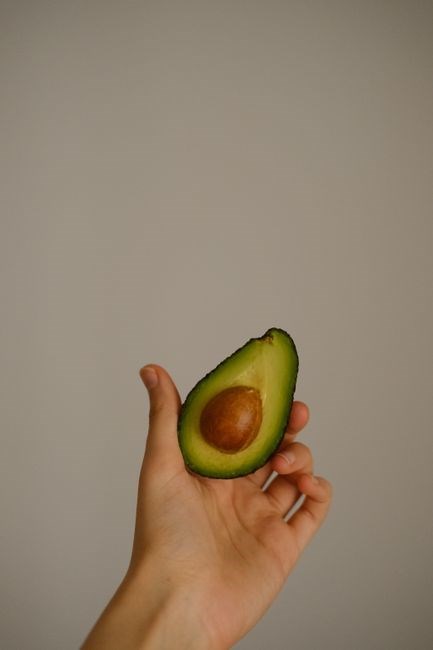
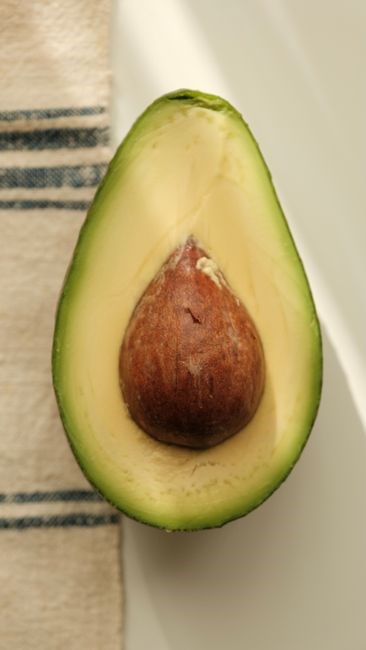
  • Avocados – 30 g net carbs per fruit, rich in monounsaturated fats and potassium.
  • Olive oil & coconut oil – 100 % fat, ideal for sautéing or dressings; coconut oil adds medium‑chain triglycerides.
  • Cheeses (hard & soft) – 1–2 g net carbs per ounce, excellent protein and calcium source.
  • Full‑fat Greek yogurt – 3–4 g net carbs per 100 g, high in probiotics and casein.
  • Tofu & tempeh – 2–3 g net carbs per 100 g, versatile protein, can be marinated or stir‑fried.
  • Leafy greens (spinach, kale, arugula) – <1 g net carbs per cup, loaded with vitamins A, C, K.
  • Cauliflower & broccoli – 2–3 g net carbs per cup, great for riced or mashed dishes.
  • Nut butters (almond, cashew) – 3–5 g net carbs per tablespoon, creamy texture for sauces.
  • Unsweetened cocoa powder – 1–2 g net carbs per tablespoon, useful for keto desserts.

Stocking these items ensures you have robust pantry that supports both satiety and ketosis without compromising plant‑based philosophy.

Week 1 focuses on breakfast smoothies, lunch salads, dinner stir‑fries, and keto snacks. Each day balances 70 % fat, 25 % protein, 5 % carbs. Sample meals: avocado‑coconut smoothie, tofu‑spinach salad, cauliflower‑rice curry, and nut‑butter bites. Enjoy balanced nutrition and track progress daily!

Breakfast, Lunch, Dinner, Snacks

Start your day with a nutrient‑dense smoothie: blend unsweetened almond milk, frozen berries, spinach, chia seeds, and a scoop of plant‑based protein powder; For lunch, enjoy a creamy avocado‑coconut salad: mixed greens, sliced avocado, roasted chickpeas, pumpkin seeds, and a tahini‑lime dressing. Dinner can be a hearty cauliflower‑rice stir‑fry with tofu, broccoli, bell pepper, and a soy‑sesame sauce. Snack options include a handful of walnuts, a small portion of full‑fat Greek yogurt topped with a sprinkle of cinnamon, or a homemade chia‑seed pudding made with coconut milk and a dash of stevia. Each meal aligns with a 70/25/5 macronutrient ratio, ensuring ketosis while staying vegetarian. The free PDF guide provides detailed portion sizes, grocery lists, and step‑by‑step recipes to keep your plan on track.

Breakfast variations: add a tablespoon of almond butter for extra fat, or swap berries for a few raspberries to keep carbs low. Lunch tweaks: replace chickpeas with edamame for a different protein source, or add a splash of olive oil to increase healthy fats. Dinner options: use tempeh instead of tofu for a firmer texture, or incorporate zucchini noodles for a low‑carb alternative. Snacks: try a small serving of avocado slices with sea salt, or a handful of macadamia nuts for a high‑fat boost.

Meal prep tips: cook cauliflower rice in bulk and store in the fridge for up to five days; pre‑chop veggies for quick stir‑fries; portion out nuts and seeds into single‑serve bags.!!

Common Pitfalls and How to Avoid Them

Common pitfalls: nutrient gaps, low protein, dehydration, keto flu, and boredom. Avoid by tracking macros, adding fortified plant milks, staying hydrated, cycling electrolytes, and rotating recipes. Use the free PDF for meal plans, supplement guides, and grocery lists to stay on track. Daily logs!

Nutrient Deficiencies (B12, Iron, Omega-3)

On a vegetarian keto diet, three nutrients often fall short: vitamin B12, iron, and omega‑3 fatty acids. B12 is naturally found in animal products, so veg‑keto followers must rely on fortified foods or supplements. Look for fortified plant milks, nutritional yeast, and a daily B12 tablet; the free PDF guide lists recommended brands and dosage ranges.

Iron deficiency can arise because plant iron (non‑heme) is less bioavailable than the heme form in meat. Pair iron‑rich foods like lentils, pumpkin seeds, and spinach with vitamin C sources (e.g., bell peppers, citrus) to boost absorption. The PDF includes a chart of iron‑rich, keto‑friendly foods and pairing tips.

Omega‑3s are crucial for heart and brain health, yet veg‑keto diets lack the EPA/DHA found in fish. Algal oil capsules provide a plant‑based source of EPA/DHA; alternatively, consume high‑ALA foods such as chia seeds, flaxseed, and walnuts, and consider an algal supplement. The free PDF outlines daily omega‑3 targets and lists affordable algal oil options.

Monitoring these nutrients is essential. Use the PDF’s nutrient tracker sheet to log B12, iron, and omega‑3 intake weekly. If levels drop, adjust fortified foods or supplement doses accordingly. Regular blood work is recommended for B12 and ferritin checks; the guide explains how to interpret results and tweak the diet.

By proactively addressing B12, iron, and omega‑3 needs, you can maintain energy, immune function, and overall health while enjoying the benefits of a vegetarian keto lifestyle. The free PDF provides step‑by‑step instructions, recipes, and shopping lists to keep deficiencies at bay.

Tracking Progress and Adjustments

Use the free PDF’s log sheets to record weight, ketone levels, and energy. Review weekly data, adjust macros, and tweak meal portions. If ketones dip, increase fat or reduce carbs slightly. If energy drops, add nuts or avocado. Stay consistent.Daily log.

Monitoring Ketosis and Weight Goals

Begin by setting clear, realistic weight targets in the free PDF’s goal sheet. Track daily weight on the same scale at the same time of day to reduce variability. Use a digital or paper log to note fluctuations and identify trends. For ketosis, the PDF recommends using urine strips for quick checks and a blood ketone meter for precise readings. Record fasting and post‑meal ketone values; aim for 0.5–3.0 mmol/L for nutritional ketosis. If readings fall below 0.5 mmol/L, consider increasing dietary fat or cutting carbs slightly. If they exceed 3.0 mmol/L, you may be in deep ketosis; monitor for ketoacidosis signs if you’re on a very low carb. Pair ketone data with energy levels and satiety notes; a sudden drop in energy may signal inadequate calories. Adjust macros by adding a tablespoon of olive oil or a handful of nuts, then re‑measure after a few days. Use the PDF’s “Adjustment Tracker” to document changes and outcomes. Review weekly progress: compare weight loss against the target curve, evaluate ketone consistency, and tweak portions accordingly. If weight loss stalls, increase protein intake or reduce carb sources like legumes. If you’re losing weight too quickly, add more vegetables or a small serving of seeds. Remember to hydrate and replenish electrolytes; the PDF lists recommended sodium, potassium, and magnesium intakes. Finally, celebrate milestones: every 5 lb loss or a week of stable ketosis earns a reward, like a new plant‑based recipe from the PDF. Consistent monitoring and timely adjustments keep the vegetarian keto plan on track and sustainable. By integrating these tools, you create a data‑driven approach that empowers you to stay in ketosis, meet weight goals, and enjoy a varied vegetarian menu without compromising nutritional balance. The free PDF also offers a weekly reflection template where you assess mood, sleep, and exercise, linking lifestyle factors to metabolic outcomes. If you encounter plateaus, try a 24‑hour fast once a week or swap a high‑fiber vegetable for a lower‑carb alternative to reset insulin sensitivity.

Frequently Asked Questions

Can a vegetarian keto diet aid weight loss? Yes, low carbs and high fats trigger ketosis, fat. Are supplements needed? B12, iron, omega‑3 are essential; consider fortified foods or vegan fish oil. How stay in ketosis? Monitor ketone levels with strips or a meter!

Can Veg Keto Help with Diabetes?

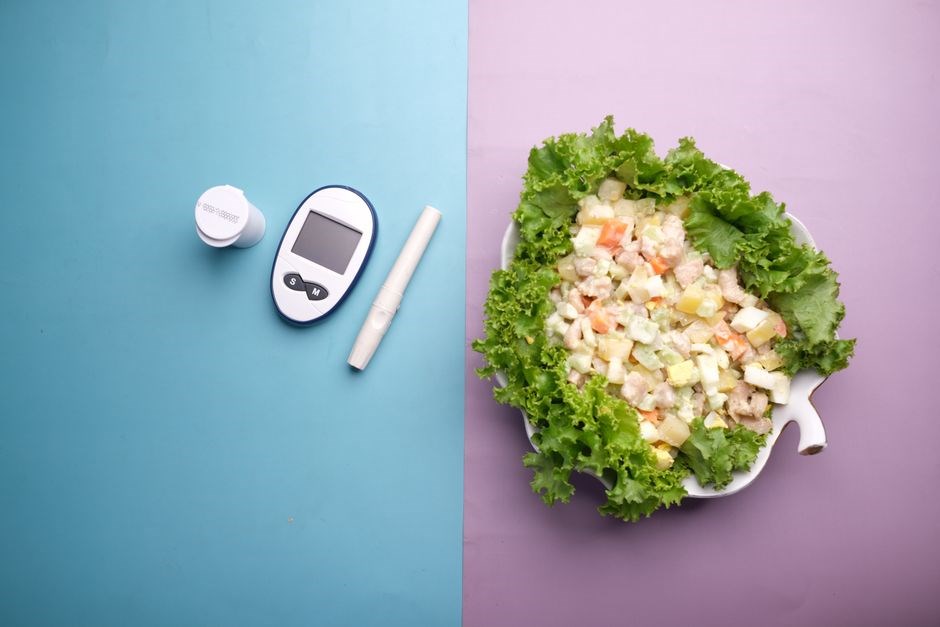
Studies indicate that a vegetarian keto diet can improve glycemic control in type 2 diabetes by reducing carbohydrate intake and promoting ketosis. Lower insulin spikes lead to better glucose regulation, and the high‑fat, low‑carb framework encourages steady energy release. Plant‑based fats—avocado, nuts, seeds, coconut oil—provide heart‑healthy monounsaturated and medium‑chain triglycerides without the saturated‑fat load of animal products. Regular monitoring of blood glucose and ketone levels is essential; a target of 0.5–3 mmol/L ketones is typical for therapeutic ketosis. Supplements such as vitamin B12, iron, and omega‑3 (from algae) help fill micronutrient gaps. A structured meal plan, available as a free PDF, outlines portion sizes, snack options, and recipes that keep carb counts under 20 g per day while delivering 70–80 % of calories from fat. Patients should consult a dietitian before starting, especially if on medication, to adjust dosages and avoid hypoglycemia. Long‑term adherence has shown reductions in HbA1c, improved lipid profiles, and decreased reliance on insulin or oral hypoglycemics. The vegetarian keto approach offers a sustainable, plant‑rich alternative that supports metabolic health while respecting dietary preferences. In addition, the diet’s emphasis on fiber‑rich vegetables and legumes helps maintain gut microbiota diversity, which is linked to insulin sensitivity. The low glycemic index of most vegetarian keto foods reduces post‑meal glucose excursions. Many users report increased satiety, leading to reduced caloric intake and weight loss, which further improves insulin resistance. The free PDF includes a weekly grocery list, sample menus, and a tracking sheet to monitor weight, glucose, and ketone trends. By integrating intermittent fasting or time‑restricted eating, the benefits can be amplified, though this should be personalized. Finally, the psychological benefit of following a clear, structured plan can reduce stress, which is known to affect blood sugar levels. Overall, a well‑planned vegetarian keto diet can be a powerful tool for diabetes management when paired with medical oversight.