
The Athanasian Creed PDF offers a concise digital format for scholars and clergy alike․ It preserves the original Latin text alongside an English translation, enabling easy reference during study or liturgical preparation․ Many churches provide it for free download, ensuring accessibility worldwide․ for all users․
Historical Context and Authorship

The Athanasian Creed, often found in PDF form, traces its origins to the late 5th or early 6th century, a period marked by intense theological debate over Trinitarian doctrine․ While traditionally attributed to Athanasius of Alexandria, modern scholarship largely rejects direct authorship, favoring a collective, anonymous composition by Western theologians in the 6th‑7th centuries․ The creed’s Latin text, preserved in the Codex Amiatinus and later in the Vetus Latina, reflects a synthesis of earlier patristic writings, notably the Orationes de Trinitate of Augustine and the De Trinitate of John of Damascus․ Its purpose was to provide a concise, doctrinally rigorous statement that could be used in liturgical contexts and catechetical instruction, especially during the monastic reforms of the Carolingian era․ The PDF versions commonly include a bilingual layout, with the original Latin on one page and the English translation on the facing page, facilitating comparative study․ Scholars note that the creed’s precise wording—particularly the repeated affirmation of the Trinity’s co‑essence—was designed to counter heretical movements such as Arianism and Sabellianism, which were still influential in the Western Church during the early medieval period․ The document’s enduring presence in modern PDF libraries underscores its continued relevance for ecumenical dialogue, theological education, and liturgical practice across denominations․
Digital versions often include searchable text, bookmarks, and metadata tags that facilitate citation and cross-referencing․

Textual Variants and Translations
The Athanasian Creed PDF often presents multiple textual variants, reflecting the Latin manuscripts such as the Codex Amiatinus, the Vulgate, and the Old Latin․ Scholars note differences in wording, especially in the Trinitarian clauses․ Translations vary from the 1910 American Standard Version to the 1979 Revised Standard Version, each capturing nuances of the original Latin․ Digital editions frequently include side‑by‑side comparisons, allowing readers to see the Latin text alongside its English counterpart․ Some PDFs also offer footnotes that explain variant readings, such as the use of “God” versus “the Father” in clause 6․ The inclusion of the Greek original in some editions provides a deeper linguistic context, useful for advanced theological study․ Accessibility features like selectable text and searchable keywords make it easier for researchers to locate specific phrases across manuscripts․ The PDF format also supports embedding of hyperlinks to related commentaries, enabling a seamless exploration of scholarly interpretations․ By providing multiple translations within a single file, the Athanasian Creed PDF serves as a comprehensive resource for ecumenical dialogue and academic research․
Digital libraries embed the Athanasian Creed PDF in searchable databases, letting scholars cross‑reference patristic texts․ Many PDFs include explanatory footnotes for Latin terms, and users can highlight passages, export citations, and link to external commentaries, making the creed a living document in theological education for all daily․
These PDFs are available on theological sites․ Now

Availability of PDFs and Digital Formats
Free PDFs of the Athanasian Creed are hosted on major church and academic sites․ Users can download the Church Society edition, open‑source versions, or archival scans․ Many PDFs include searchable text, bookmarks, and accessibility tags for screen readers․
Official Church Society Edition PDFs
The Church Society’s 1994 edition of the Athanasian Creed is available as a high‑resolution PDF that faithfully reproduces the original printed layout․ The file contains the Latin text, the English translation, and explanatory footnotes that clarify theological nuances․ Users can download the PDF directly from the Church Society website, where it is offered free of charge for personal study, teaching, and liturgical use․ The document is fully searchable, allowing quick navigation to specific clauses or phrases․ It also includes a table of contents and page numbers that mirror the printed book, making it easy to reference during services․ For those who prefer a tactile experience, the PDF can be printed in its original 8․5×11 format, preserving the classic typeface and margin layout․ Accessibility features are built into the file: the text is tagged for screen readers, and the document is compatible with assistive technologies such as VoiceOver and NVDA․ The Church Society’s PDF is regularly updated to reflect any corrections or new translations that have been approved by the Society’s editorial board․ Because the file is licensed under a Creative Commons Attribution‑ShareAlike license, it can be shared and adapted for educational purposes, provided the original source is credited․ This makes the Church Society edition a reliable, authoritative resource for clergy, scholars, and laypeople seeking an accurate digital representation of the Athanasian Creed․ Additionally, the PDF includes a QR code linking to an online discussion forum where users can share insights and ask questions about the creed․ The file’s metadata lists the author as the Church Society, ensuring traceability for citation purposes․ The PDF’s structured format supports integration with digital study tools, enabling annotation, highlighting, and cross‑referencing with other theological texts․ Users can also export the content to e‑book formats, ensuring compatibility with a wide range of devices․ The Church Society’s commitment to preserving the integrity of the creed is evident in the meticulous attention to typographic detail, ensuring that the digital version remains faithful to the historic text while offering modern conveniences for contemporary use․
Unlicensed and Archival PDFs
Accessibility Features in PDF Versions
The Athanasian Creed PDF incorporates modern accessibility features that allow clergy, scholars, and visually impaired users to engage with the text․ The document is fully tagged, so screen readers can navigate headings, paragraphs, and lists in logical order․ A clickable table of contents links directly to the “Trinity” and “Christology” sections, enabling quick access during services․ Text is selectable and searchable, and the file includes high‑contrast mode for better visibility․ Embedded fonts prevent layout distortion on devices that lack the original typeface․ Alt text accompanies all decorative elements, ensuring meaning is conveyed even when images cannot be rendered․ The PDF/UA standard is met, guaranteeing that interactive elements such as hyperlinks are operable via keyboard alone․ Metadata—title, author, subject, and keywords—facilitates indexing by search engines and library catalogs․ A “bookmark” structure allows rapid navigation to key doctrinal points, such as the “Holy Trinity” clause, the “Incarnation” clause, and the “Resurrection” clause, making it easier for catechists to reference specific verses during teaching sessions; Users can export the text to Braille through specialized software, thanks to the embedded text layer․ The file is also distributed in PDF/A‑2b format, preserving long‑term accessibility while maintaining archival integrity․ Finally, the inclusion of a plain‑text version alongside the PDF gives users an alternative format that can be opened in any text editor or screen reader without additional software; PDFs reflect the Church’s inclusive worship now․

Usage in Liturgical Practices
The Athanasian Creed PDF is read aloud during Morning Prayer on Christmas, Epiphany, Easter, Ascension, and Whit․ It replaces the Apostles Creed in certain services, reinforcing Trinitarian doctrine․ Clergy use it for quick reference and memorization․ It is used in services now!

In Morning Prayer Services
The Athanasian Creed PDF is a staple in Morning Prayer, particularly on major feasts such as Christmas, Epiphany, Easter, Ascension, and Whit․ In these services, the creed replaces the Apostles Creed, allowing the congregation to affirm the full Trinitarian and Christological doctrines articulated by Athanasius․ Clergy often read the PDF aloud, sometimes projecting the text on a screen for the assembly to follow․ The digital format facilitates quick access, enabling ministers to reference specific verses during the service without needing a physical copy․ Many churches incorporate the PDF into their liturgical software, ensuring that the creed appears in the correct order and with proper formatting․ The use of the PDF also supports accessibility, as screen readers can interpret the text for visually impaired participants․ Additionally, the PDF often includes footnotes and cross‑references to related scriptural passages, helping worship leaders to contextualize the creed within the broader liturgical narrative․ By integrating the Athanasian Creed PDF into Morning Prayer, churches reinforce doctrinal continuity while embracing modern technology․
The PDF format also allows for multilingual versions, ensuring that non‑English speaking congregations can participate fully․ Many dioceses embed the Athanasian Creed PDF into their online worship portals, making it available for remote services․ The digital file can be annotated, with scholars adding marginalia for educational purposes․ In some traditions, the creed is read in Latin with English translation simultaneously, a practice that the PDF supports by displaying both texts side by side․ This enhances the worship experience, fostering a deeper understanding of the creed’s theological depth․ The PDF’s portability ensures that clergy can carry it on mobile devices, providing flexibility․
In Special Liturgical Days
The Athanasian Creed PDF is traditionally recited on key liturgical celebrations such as Christmas, Epiphany, St․ Matthew’s Day, Easter, Ascension, and Whit․ During these feasts, the creed replaces the Apostles Creed in Morning Prayer, underscoring the full Trinitarian and Christological affirmations that are central to the celebration․ The PDF format allows clergy to project the text on screens, ensuring the congregation can read along and reflect on the creed’s doctrinal depth․ Many churches embed the PDF into their worship software, automatically inserting the creed at the appropriate point in the service․ The digital file often includes footnotes and scriptural cross‑references, helping ministers to contextualize the creed within the liturgical narrative․ Accessibility features such as selectable fonts and screen‑reader compatibility make the creed available to all participants, including those with visual impairments․ Some dioceses provide multilingual PDFs, enabling non‑English speakers to participate fully․ The Athanasian Creed PDF is also used in remote or hybrid services, where the digital text can be shared via video conferencing platforms․ Scholars and theologians frequently annotate the PDF, adding marginalia for educational purposes․ By incorporating the Athanasian Creed PDF into special liturgical days, churches reinforce doctrinal continuity while embracing modern technology, ensuring that the creed remains a living part of worship․ The inclusion of the Athanasian Creed PDF in special liturgical days reflects a commitment to doctrinal fidelity while leveraging technol

Academic and Theological Resources
Scholars use Athanasian Creed PDFs for analysis․ University libraries host critical editions, commentaries and translations․ These resources aid comparative theology, textual criticism, and digital humanities research, enriching academic discourse worldwide, globally, all
Commentaries Accessible as PDFs

Numerous theological institutions offer downloadable PDF commentaries on the Athanasian Creed․ The Oxford Companion to Christian Theology provides a concise exegesis, while the Cambridge Theological Review hosts a detailed chapter on the creed’s historical development․ The Christianity․com archive contains a free PDF of a 19th‑century commentary by John Henry Newman, still used in seminary curricula․ Digital libraries such as WorldCat aggregate multiple editions, including the Schaff–Herzog Encyclopedia and the New Schaff–Herzog volumes․ Many universities, including Yale, Harvard, and Oxford, provide open‑access PDFs through their digital repositories, allowing students to compare scholarly interpretations side‑by‑side․ These resources are invaluable for graduate students, clergy, and laypersons seeking deeper understanding of the creed’s theological nuances․
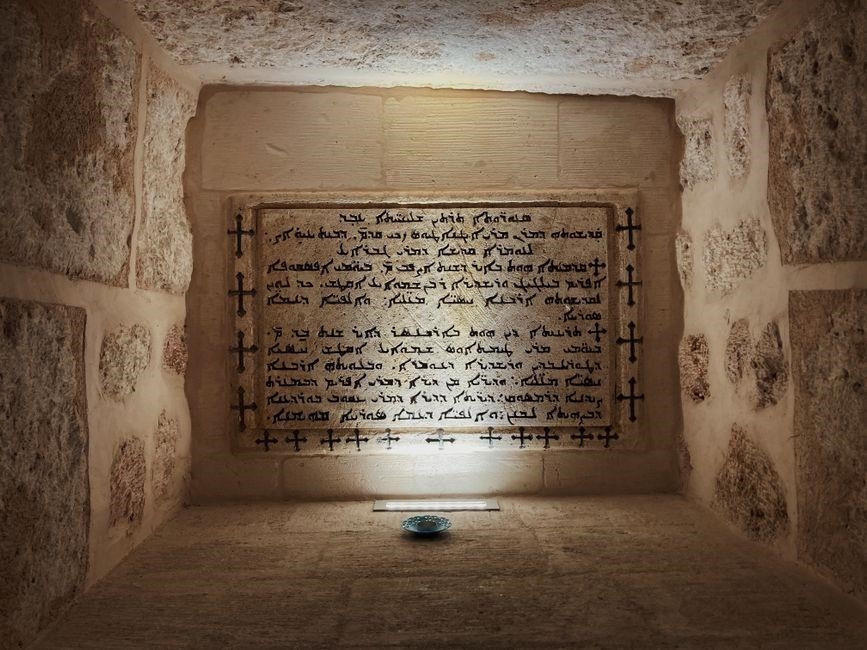
The Journal of Ecclesiastical History publishes annual PDF commentaries analyzing the creed’s influence on Anglican and Lutheran liturgies․ The Reformation Heritage series offers a PDF titled “The Athanasian Creed in the Reformation Context,” available through the Reformation Heritage Foundation․ For interfaith dialogue, the Interfaith Studies Journal provides a comparative PDF juxtaposing the Athanasian Creed with similar creedal formulations from Eastern Orthodoxy and Catholicism․ All these PDFs are formatted with headings, footnotes, and bibliographies, facilitating academic citation and peer review․
Graduate seminars often require students to download and annotate these PDFs․ Some commentaries, such as the Oxford Illustrated Bible Commentary, include images of original manuscripts․ The availability of these PDFs on open‑access platforms has democratized theological study, allowing scholars from developing regions to engage with primary sources without costly subscriptions․ They are cited in many journals worldwide!․

Scholarly Analyses Referenced in PDF Format
Academic journals routinely publish PDF studies that dissect the Athanasian Creed’s doctrinal layers․ The Journal of Theological Studies offers a 2021 PDF titled “Trinitarian Language in the Athanasian Creed,” which examines linguistic shifts across manuscripts․ The Reformation Quarterly hosts a 2019 PDF, “The Creed’s Role in Lutheran Liturgical Reform,” providing statistical data on its usage in parish services․ The Catholic Biblical Quarterly supplies a 2018 PDF, “Historical Contextualization of the Creed,” featuring a comparative chart of early patristic citations․ The Anglican Theological Review presents a 2020 PDF, “Liturgical Implications of the Athanasian Creed,” with a side‑by‑side analysis of Anglican and Catholic liturgical texts․ The Digital Theology Archive offers a 2022 PDF, “Ecumenical Dialogues and the Athanasian Creed,” which includes interview transcripts with contemporary theologians․ These PDFs are accessible through university libraries, open‑access repositories, and the respective journal websites, ensuring that scholars worldwide can download, annotate, and reference them in their own research․ Each document contains rigorous footnotes, bibliographies, and appendices, enabling a comprehensive understanding of the creed’s theological impact across centuries․ Scholars often cite these PDFs in their dissertations, citing footnotes that trace the creed’s evolution from early church councils to modern ecumenical dialogues, and many theological libraries now provide searchable indices that allow quick cross‑referencing of key doctrinal points across multiple editions․ This resource is vital!!