
Wayne Dalton Garage Opener Manual: A Comprehensive Guide
Navigating Wayne Dalton systems, often now LiftMaster, requires understanding potential failures, remote compatibility (like the 303 MHz Quantum 3212), and repair costs—potentially $1000+ for a full replacement.

Understanding Wayne Dalton Garage Openers & LiftMaster Integration
Wayne Dalton garage door openers, particularly the 8000 series utilizing the TorqueMaster system, have largely transitioned to LiftMaster manufacturing and compatibility. Many older Wayne Dalton units are now discontinued, meaning direct replacement parts are unavailable, necessitating a full system upgrade – often to a LiftMaster 8500 series opener, costing around $1000.

This integration means troubleshooting often involves LiftMaster diagnostic procedures. A common failure point is the “brain” or control board, exhibiting symptoms like blinking lights and operational issues despite functional wall buttons. While a brain replacement is relatively inexpensive ($60 for the part, plus a $100 service call), finding qualified technicians familiar with both brands is crucial for seamless integration and programming.

Common Issues & Troubleshooting
Wayne Dalton garage door openers frequently experience issues ranging from remote control malfunctions to complete system failures. A common symptom of a failing control board (“brain”) is a blinking light coupled with the inability to open the door, even when the wall-mounted up/down buttons function. Sensor alignment problems also trigger this behavior, mimicking a safety obstruction.
Troubleshooting begins with verifying sensor connections and alignment. If the issue persists, suspect the control board. While DIY replacement is possible, a $100 service call plus $60 for the brain is often worthwhile for professional diagnosis and programming, especially given the LiftMaster integration and potential compatibility concerns.

Garage Door Opener Brain Failure & Symptoms
The “brain,” or control board, of a Wayne Dalton opener is a frequent point of failure, particularly in older systems. A key symptom is the garage door refusing to open, accompanied by a blinking light – often mistaken for a sensor issue. Interestingly, the wall-mounted up and down buttons may still operate, misleadingly suggesting a functional system.
This indicates the logic board isn’t receiving or processing remote signals correctly. Complete failure renders the entire system inoperable. Replacement is often necessary, as Wayne Dalton parts become scarce, pushing owners towards full LiftMaster system upgrades. Diagnosis confirms the issue, justifying the $60 part + $100 service call.
Blinking Lights & Sensor Problems
A blinking light on a Wayne Dalton garage door opener is a common indicator of a problem, frequently misdiagnosed as a sensor issue. While sensor misalignment can cause blinking, it’s often a symptom of a failing control board (“brain”). The opener attempts to operate, but the logic board detects an obstruction or communication error, triggering the blinking.
Proper sensor alignment and testing are crucial first steps, but if the wall buttons work while the remote doesn’t, the brain is likely the culprit. Ignoring this can lead to unnecessary sensor replacements. Thoroughly check wiring before assuming a sensor failure; a faulty brain mimics sensor-related errors.
Remote Control Issues & Compatibility
Wayne Dalton garage door openers, particularly older models, can present remote control challenges due to discontinued parts and unique frequencies. The Quantum 3212, for example, operates on a less common 303 MHz frequency, requiring a specific replacement remote – model 297134 – available from suppliers like Express Garage Doors.
Compatibility is key; standard remotes won’t work. Programming can be tricky, and holding the “learn” button for too long will erase existing memory, requiring re-pairing of all remotes. When facing issues, verify the frequency and consider a compatible replacement before exploring more complex solutions.
Wayne Dalton Quantum 3212 Remote Frequency (303 MHz)
The Wayne Dalton Quantum 3212 garage door opener utilizes a distinctive 303 MHz frequency, setting it apart from more common 315 MHz or 390 MHz systems. This specific frequency is crucial when seeking replacement remotes, as standard universal remotes are generally incompatible. Finding a compatible remote can be challenging due to this less-frequent band.
Owners needing replacements must specifically search for 303 MHz Wayne Dalton remotes, such as model 297134, to ensure proper functionality. Attempting to use an incorrect frequency will result in the remote failing to operate the garage door, necessitating a precise match for successful operation.
Replacing Discontinued Remote Models (297134)
The Wayne Dalton remote control transmitter, model 297134, has been discontinued, presenting a challenge for owners needing replacements. Fortunately, compatible alternatives are available through specialized suppliers like Express Garage Doors. These replacements maintain the crucial 303 MHz frequency required for proper operation with the Quantum 3212 opener.
When sourcing a replacement, verifying the frequency is paramount. Ensure the new remote explicitly states compatibility with 303 MHz Wayne Dalton systems. While the original model is unavailable, these alternatives offer a functional solution, restoring remote control access to your garage door without requiring a complete system overhaul.
Remote Programming & Memory Clearing
Programming a Wayne Dalton remote involves utilizing the “learn” button on the garage door opener motor unit. However, a common issue arises from pressing and holding this button for an extended duration. This action doesn’t simply add a remote; it completely clears the opener’s existing memory, erasing all previously programmed remotes.
Therefore, careful timing is crucial during the programming process. A brief press of the learn button initiates the learning mode, allowing the new remote to be added without wiping out existing codes. If accidental memory clearing occurs, all remotes will need to be reprogrammed, requiring repetition of the learning process for each device.
TorqueMaster System & Spring Replacement
The original Wayne Dalton TorqueMaster system, utilizing a unique spring mechanism, is largely discontinued. Many older installations have transitioned to traditional torsion springs and bars for easier maintenance and parts availability. Determining the correct spring weight is vital for safe operation; for a 96lb door, appropriately weighted springs are essential.
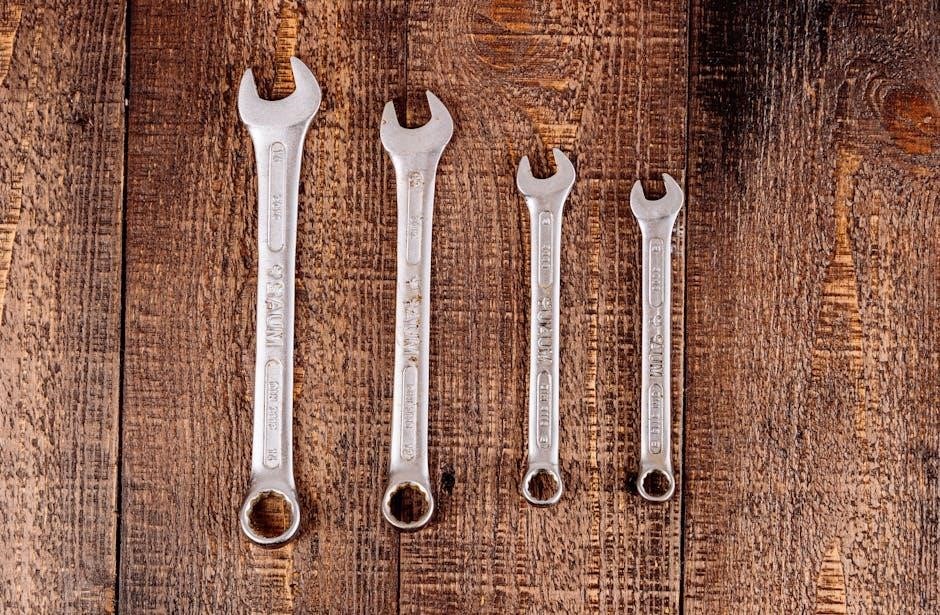
Replacing the TorqueMaster with a torsion spring system requires professional expertise, as improper installation can lead to serious injury or damage. Calculating spring weight ensures the door balances correctly, preventing strain on the opener and ensuring smooth, reliable performance. Always prioritize safety when dealing with garage door springs.
Transition from TorqueMaster to Traditional Torsion Springs
Switching from the Wayne Dalton TorqueMaster system to traditional torsion springs involves a complete overhaul of the door’s lifting mechanism. The TorqueMaster’s self-contained unit is replaced with standard torsion tubes, springs, cables, and brackets. This conversion isn’t a simple swap; it demands careful measurement and precise installation to ensure proper balance and safe operation.

Professional installation is highly recommended due to the inherent dangers of working with spring tension. Correct spring winding and bracket placement are critical. The transition offers improved parts availability and potentially lower long-term maintenance costs compared to sourcing discontinued TorqueMaster components.
Spring Weight Calculation (e.g., 96lb Door)
Determining the correct spring weight is crucial for safe and efficient garage door operation. For a 96lb door, calculating spring weight isn’t simply using 96lbs; it requires accounting for the door’s height and leverage. Typically, a chart is used, factoring in door height to determine the required spring wire size and overall spring length.
Professionals often use a formula considering door weight, height, and drum diameter. Incorrect spring weight can lead to excessive strain on the opener, or worse, a dangerous door failure. Always prioritize safety and consult a professional if unsure about spring calculations or installation.
Manual Access & Override Procedures
Wayne Dalton garage door openers feature an emergency release mechanism for manual operation during power outages or malfunctions. This typically involves pulling a red handle located on the garage door opener carriage, disconnecting the door from the motor. Once disengaged, the door can be lifted and lowered manually, though it may require significant force, especially with heavier doors.
Remember to re-engage the emergency release after use to restore automatic operation. Always exercise caution when manually operating the door, ensuring a clear path and avoiding pinch points. Familiarize yourself with this procedure before an emergency arises for swift and safe access.
Safety Features & Maintenance
Wayne Dalton garage door systems prioritize safety with features like photo-eye sensors that prevent the door from closing on obstructions. Regularly test these sensors by interrupting the beam while the door is closing – it should reverse immediately. Proper sensor alignment is crucial for reliable operation.
Routine maintenance includes visual inspections of springs, cables, and rollers for wear and tear. Lubricate moving parts to ensure smooth operation and prevent binding. Always disconnect power before performing any maintenance. Addressing minor issues promptly can prevent costly repairs and maintain optimal safety.
Sensor Alignment & Testing
Wayne Dalton garage door safety relies heavily on properly aligned photo-eye sensors. These sensors, located near the floor, create an invisible beam. Misalignment is a common cause of operational issues, often manifesting as a blinking light on the opener’s motor unit. To test, place an object in the door’s path while closing.
The door should immediately reverse. If it doesn’t, carefully adjust the sensor brackets until the indicator lights on both sensors illuminate steadily. Ensure nothing obstructs the beam – even dust or cobwebs can interfere. Correct alignment is vital for preventing accidental closures and ensuring safe operation.
Emergency Release Mechanism
The emergency release mechanism allows manual operation when power is lost or the opener malfunctions. Typically, a red-handled cord hangs from the central rail. Pulling this cord disengages the carriage from the door, enabling you to lift or lower it by hand.
Important: Exercise caution, as the door may be heavy! After use, re-engage the carriage by pulling the cord towards the opener until it clicks. Always test the opener’s functionality after re-engagement to confirm proper operation. Regularly check the cord’s accessibility and ensure it isn’t obstructed.
Wayne Dalton Model 8000 Series Information
The Wayne Dalton Model 8000 series, frequently replaced with LiftMaster 8500 systems, utilizes a unique TorqueMaster spring system, now often converted to traditional torsion springs. This series is known for potential “brain” failures, indicated by blinking lights and unresponsive operation despite functional motor buttons.
Replacement can be costly, potentially exceeding $1000 for a complete system upgrade, plus a service call fee (around $100) for brain replacement ($60 part cost). Access the official manual at http://www.wayne-dalton.com/files/manuals/8000SingleTMS-282358.pdf for detailed guidance.
Finding the Right Manual
Locating the correct Wayne Dalton garage opener manual is crucial for troubleshooting and maintenance. While Wayne Dalton’s legacy system support is diminishing, resources are still available online. A key resource is the official Wayne Dalton website, offering downloadable manuals, specifically the 8000 Series manual at http://www.wayne-dalton.com/files/manuals/8000SingleTMS-282358.pdf.
However, due to the integration with LiftMaster, searching for LiftMaster 8500 series manuals may also yield helpful information, particularly regarding replacement parts and system diagnostics. Remember that older Wayne Dalton systems may have limited parts availability, often necessitating a full system replacement.
Accessing the Wayne Dalton Manual Online (http://www.wayne-dalton.com/files/manuals/8000SingleTMS-282358.pdf)
This direct link provides access to the Wayne Dalton 8000 Single TMS manual, a vital resource for owners of this model. The PDF document details installation, operation, and troubleshooting procedures specific to the TorqueMaster system. Users can download and save this manual for offline access, ensuring information is readily available during maintenance or repair attempts.
Reviewing this manual is particularly important when diagnosing issues like spring breakage, as identifying a broken spring isn’t always visually obvious from the outside, often manifesting as a significantly heavier door. Understanding the manual’s guidance can save time and potentially avoid unnecessary service calls.
Cost of Replacement & Repair
Repairing or replacing a Wayne Dalton garage door opener can vary significantly in cost. A complete system replacement, particularly upgrading to a LiftMaster 8500 series, can easily exceed $1000, reflecting current market prices for comparable systems. However, simpler fixes, like replacing the “brain” (the control board), are less expensive.
The control board itself may cost around $60, but factor in a typical $100 service call fee for a professional to diagnose and install it. Wayne Dalton parts availability is limited, often necessitating a full system upgrade when components fail, as replacements are discontinued. DIY repairs can save on labor, but require technical expertise.
Full System Replacement Costs (e.g., $1000 for LiftMaster 8500)
A complete Wayne Dalton garage door opener system replacement typically ranges from $800 to $1500, depending on the chosen model and installation complexity. The LiftMaster 8500 series, a common upgrade path for older Wayne Dalton systems, often falls around the $1000 mark, including the opener, rails, and safety sensors.
This cost encompasses both the equipment and professional installation fees. Factors influencing the price include door weight, garage configuration, and any necessary wiring adjustments. Considering Wayne Dalton’s limited parts availability, a full replacement is frequently the most practical long-term solution when the original system fails irreparably.
Brain Replacement Costs (e.g., $60 + $100 Service Call)
Replacing the “brain” – the control board – of a Wayne Dalton garage door opener is often less expensive than a full system overhaul, but still requires careful consideration. The control board itself can cost approximately $60 to $120, depending on the specific model and vendor. However, the primary expense is usually the service call fee.
Most technicians charge around $100 for a service call, bringing the total cost to $160 ― $220. While the replacement is relatively straightforward, professional installation ensures proper programming and safety feature functionality. It’s crucial to confirm compatibility before purchasing a replacement brain.
Professional Service vs. DIY Repair
Deciding between professional garage door opener service and a DIY repair hinges on your technical skill and the complexity of the issue. Simple tasks like remote reprogramming are easily handled independently, utilizing the learn button functionality. However, issues involving spring replacement, TorqueMaster system conversions, or electrical components demand professional expertise;
Incorrectly handling these repairs can lead to injury or further damage. A technician ensures proper diagnosis, safe execution, and adherence to safety standards. While DIY saves on labor costs, professional service offers peace of mind and guarantees the repair is done correctly, potentially avoiding costly future issues.
Identifying Garage Door Weight
Determining your garage door’s weight is crucial for selecting the correct replacement springs or opener. While a precise measurement requires specialized tools, a rough estimate can be obtained by considering the door’s material and size. Steel doors are heavier than aluminum or wood. A standard single-car door typically weighs between 100-150 pounds, while double doors can exceed 250 pounds.
If a door is exceptionally difficult to lift manually, it likely weighs more than anticipated. For example, a 96lb door requires appropriately weighted springs for smooth operation. Incorrect spring weight can strain the opener and compromise safety, so accurate assessment is vital before any repair work begins.
Understanding the Learn Button Functionality
The “learn” button on your Wayne Dalton or LiftMaster opener is essential for programming new remote controls and ensuring secure access. This button initiates a pairing process, allowing the opener to recognize the unique signal from the remote. However, prolonged pressing of the learn button can inadvertently clear the opener’s existing memory, erasing all previously programmed remotes.
Therefore, exercise caution when using the learn button. A quick press is usually sufficient to enter learning mode. If you accidentally clear the memory, you’ll need to reprogram all your remotes. Refer to your manual for specific instructions tailored to your model.
Legacy System Support & Parts Availability
Wayne Dalton’s older garage door opener systems, particularly the TorqueMaster series, present increasing challenges regarding parts availability. As time passes, original components become discontinued, forcing owners towards complete system replacements rather than individual repairs. This is a common issue reported by users experiencing “brain” failures.

Finding replacement parts for these legacy systems can be difficult and expensive. While some retailers may stock universal remotes (like the 303 MHz Quantum 3212 replacement), specific internal components are often unavailable. Consequently, upgrading to a newer LiftMaster system, such as the 8500 series, is frequently the most practical solution.