
Foreshadowing in Virginia Woolf’s “The Moth” subtly hints at mortality, mirroring the moth’s fleeting existence and potentially Woolf’s own struggles.
Overview of Foreshadowing as a Literary Device
Foreshadowing is a crucial narrative technique where authors subtly hint at future events, creating anticipation and enriching the reader’s experience. It isn’t merely predicting plot points; it builds thematic resonance; Examples, like the moth’s described “insatiable energy” leading to inevitable death, demonstrate how seemingly minor details can carry significant weight.
This technique, utilized in works like Frankenstein, establishes a sense of foreboding, prompting readers to interpret events with a deeper understanding of their potential consequences. It’s a cornerstone of effective storytelling.
Significance of Foreshadowing in Virginia Woolf’s Work
Virginia Woolf masterfully employs foreshadowing to explore complex themes of life, death, and the human condition. In “The Moth,” the moth’s struggle and ultimate demise aren’t isolated incidents, but rather symbolic prefigurations. The emphasis on the moth’s “aimless” flight and attraction to light subtly mirrors Woolf’s own internal struggles and foreshadows her tragic end.
Her use of imagery and subtle language creates a pervasive sense of melancholy and impending doom, characteristic of her modernist style.
The Central Symbol: The Moth
The moth embodies fragility and ephemerality, its brief, energetic life a poignant symbol of existence and the inevitability of death, foreshadowing loss.
The Moth as a Representation of Fragility and Ephemerality
The moth’s depiction emphasizes its delicate nature and transient lifespan, mirroring the fleeting quality of life itself. Its “insatiable energy” is paradoxically linked to its destined demise, foreshadowing a swift end. This fragility isn’t merely physical; it represents a broader vulnerability to existence’s inherent impermanence.
The moth’s struggle, though seemingly insignificant, becomes a microcosm of the universal human condition, highlighting the ephemeral nature of energy and purpose before inevitable oblivion.
Initial Descriptions of the Moth and Their Implied Meaning
Early portrayals of the moth focus on its frantic, “insatiable energy,” yet simultaneously acknowledge its limited scope and ultimate fate. This juxtaposition immediately implies a tragic trajectory. The narrator’s choice to observe this “insignificant” creature, rather than grander sights, suggests a preoccupation with mortality.
These initial descriptions aren’t simply observational; they subtly foreshadow the moth’s impending death and, symbolically, a broader contemplation of life’s fleeting nature.
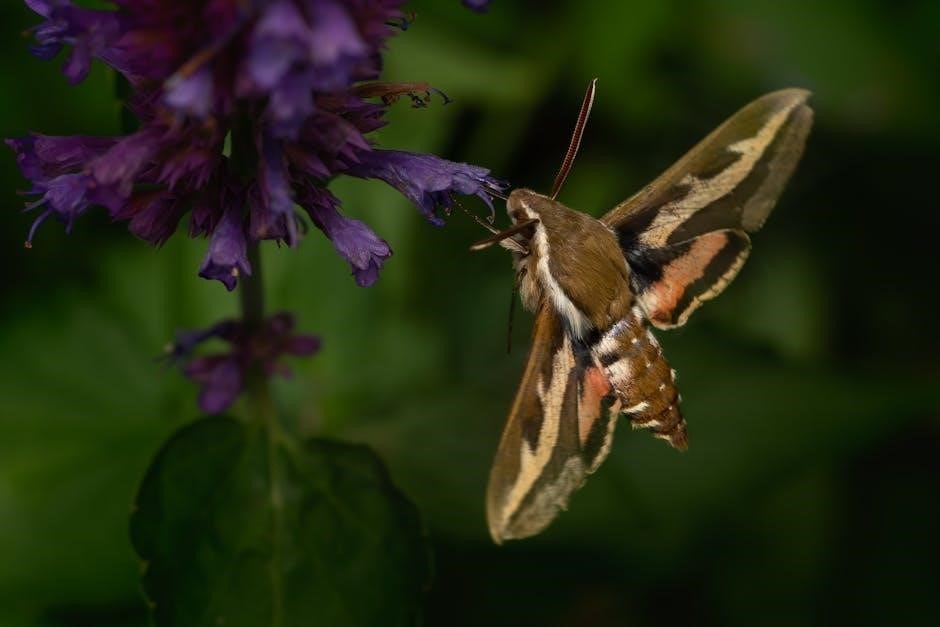
Early Instances of Foreshadowing
The narrator’s intense focus on the moth’s “futile struggle” and inevitable demise establishes a somber tone, subtly foreshadowing themes of mortality and loss.
The Narrator’s Focus on the Moth’s Futile Struggle
Initially, the narrator’s detailed observation of the moth’s energetic yet ultimately pointless flight across the windowpane immediately establishes a sense of impending doom. This concentrated attention isn’t merely descriptive; it’s a deliberate highlighting of the moth’s inherent vulnerability and its destined, unavoidable fate. The moth’s “insatiable energy” is presented alongside its lack of purpose, foreshadowing a tragic end.
Emphasis on the Moth’s Inevitable Death
Woolf repeatedly emphasizes the moth’s fragility and the certainty of its demise, creating a pervasive atmosphere of foreboding. The description of the moth fluttering “until death calls its name” isn’t a casual observation, but a stark pronouncement of its limited lifespan. This direct acknowledgement of mortality, presented early in the narrative, functions as a potent foreshadowing device, preparing the reader for loss.

Detailed Analysis of Foreshadowing Examples
The moth’s “insatiable energy” contrasts with its doomed fate, subtly foreshadowing life’s inherent futility and the inevitability of ending.
The Moth’s “Insatiable Energy” and its Connection to Life’s Purpose
Woolf’s description of the moth possessing “insatiable energy” is powerfully ironic, given its ultimately pointless struggle against the windowpane. This vibrant energy, devoid of a discernible purpose beyond mere existence, foreshadows a bleak outlook on life itself. The moth’s frantic fluttering, while seemingly full of life, is ultimately directed towards a fatal end, mirroring a potential lack of inherent meaning.
The Contrast Between the Moth’s Activity and the Narrator’s Inactivity
The stark contrast between the moth’s relentless activity and the narrator’s passive observation is a crucial foreshadowing element. While the moth embodies a desperate, albeit futile, struggle for life, the narrator remains detached, merely witnessing its demise. This inactivity subtly hints at a deeper internal state – a potential paralysis or resignation in the face of life’s challenges, mirroring a sense of impending doom.
The Description of the Moth’s Flight as “Aimless” and “Without Meaning”
Woolf’s depiction of the moth’s flight as “aimless” and “without meaning” functions as potent foreshadowing. This emphasizes the inherent futility of existence, suggesting a lack of overarching purpose. The moth’s frantic energy, devoid of direction, prefigures a sense of existential despair. This resonates with themes of mortality and the transient nature of life, subtly hinting at a bleak outlook.
The Narrator’s Observation of the Moth’s Attraction to the Light
The moth’s relentless pull towards the light, despite its destructive consequences, serves as crucial foreshadowing. This symbolizes a fatal attraction, a yearning for something unattainable. The narrator’s observation highlights the moth’s inevitable demise, mirroring a self-destructive impulse. This imagery subtly hints at a tragic outcome, foreshadowing a loss of vitality and perhaps, a surrender to darkness.
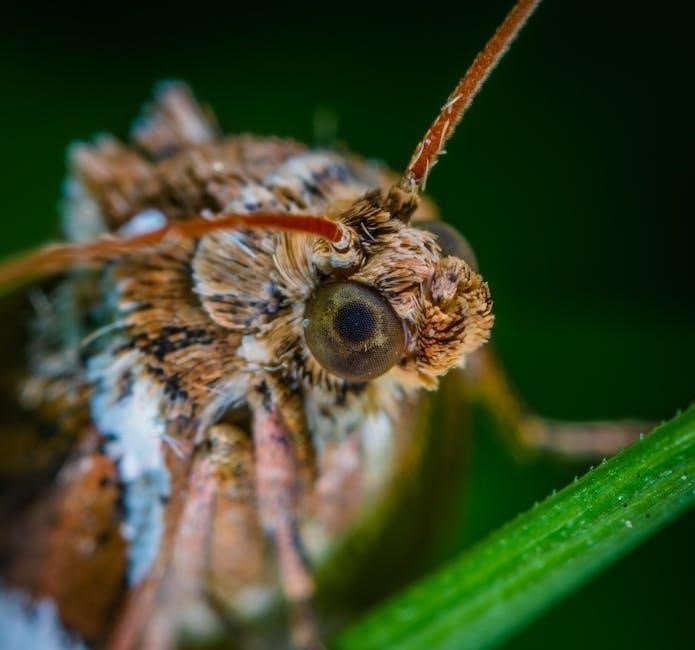
Connecting the Moth to the Narrator
The narrator identifies with the moth’s vulnerability, recognizing a shared fragility and a sense of being drawn towards an ultimately destructive force.
The Narrator’s Identification with the Moth’s Vulnerability
The narrator’s intense focus on the moth isn’t merely observation; it’s a projection of her own internal state. She sees in the moth’s “insatiable energy” a desperate, yet ultimately futile, struggle against inevitable decline. This mirroring suggests a premonition of her own mortality, subtly foreshadowed through the moth’s brief, vibrant life and certain death.
The connection highlights a shared sense of fragility and a recognition of life’s inherent meaninglessness, themes central to Woolf’s work and personal experiences.
The Parallel Between the Moth’s Death and the Narrator’s Internal State
The moth’s demise isn’t simply a natural event; it functions as a symbolic representation of the narrator’s own internal struggles. The description of the moth’s final moments, losing its energy and succumbing to stillness, echoes a sense of resignation and quiet despair within the narrator.
This parallel foreshadows a potential emotional or psychological collapse, hinting at a deeper, unspoken vulnerability mirroring Woolf’s own battles.
Symbolism and Irony
The moth embodies fragility and ephemerality, creating irony as the narrator admires a creature destined for death, foreshadowing inevitable loss.
The Irony of Admiring a Creature Destined for Death
Woolf masterfully employs irony by presenting the narrator’s captivated attention to the moth, despite its predetermined fate. This admiration, knowing the moth’s life is brief and ending in death, foreshadows a deeper contemplation of mortality. The narrator’s focus highlights the beauty within transience, yet simultaneously underscores the inevitability of decline.
The Moth as a Symbol of Virginia Woolf Herself
Scholarly interpretations suggest the moth embodies Virginia Woolf, mirroring her fragile mental state and creative energy. The moth’s “insatiable energy” and ultimate demise resonate with Woolf’s own battles with depression and eventual suicide. This symbolic connection, subtly foreshadowed throughout the narrative, adds a poignant layer to the story’s exploration of life and death.

Thematic Implications of Foreshadowing
The moth’s fate foreshadows themes of mortality and meaninglessness, prompting reflection on life’s ephemeral nature and the inevitability of decline.
Foreshadowing of the Narrator’s Own Mortality
The insistent focus on the moth’s brief, energetic life, destined for a swift end, subtly mirrors the narrator’s own awareness of finite existence. Descriptions emphasizing the moth’s “insatiable energy” contrasted with its ultimate demise create a parallel with human vitality fading.
This foreshadowing isn’t explicit, but rather a pervasive sense of fragility and the transient nature of being, prompting contemplation about the narrator’s internal state and eventual fate.
Exploration of Themes of Life, Death, and Meaninglessness
Woolf’s “The Moth” profoundly explores life’s ephemeral nature through the moth’s futile struggle and inevitable death. The narrative questions purpose, highlighting the “aimless” flight as symbolic of existence devoid of inherent meaning.
Foreshadowing emphasizes this bleak outlook, suggesting a universe indifferent to individual striving. The moth’s attraction to light, despite its destructive consequences, embodies a tragic pursuit of something ultimately unattainable, mirroring human desires.

Analyzing Woolf’s Style and Foreshadowing
Woolf employs subtle language and vivid imagery, creating foreboding through descriptions of the moth’s energy and flight, hinting at its tragic fate.
Use of Imagery to Create a Sense of Foreboding
Woolf’s descriptive language powerfully establishes a sense of impending doom. The moth’s “insatiable energy” contrasted with its ultimate demise foreshadows fragility. Descriptions of the moth’s aimless flight, lacking purpose, create a melancholic atmosphere. This imagery, coupled with the narrator’s focus on the moth’s struggle, subtly prepares the reader for its inevitable death, mirroring themes of life’s fleeting nature and mortality. The unsettling score shifts dramatically, creating dread.
The Role of Subtle Language in Hinting at Future Events
Woolf employs nuanced phrasing to foreshadow the moth’s fate and, symbolically, her own. The emphasis on the moth’s “futile struggle” and inevitable death subtly prepares the reader. Recurring phrases and rhythmic sentence patterns act as cues, mirroring the unsettling shifts in “The Shining.” Small actions, like the moth’s attraction to the light, carry significant meaning, hinting at a tragic conclusion and exploring themes of life and meaninglessness.
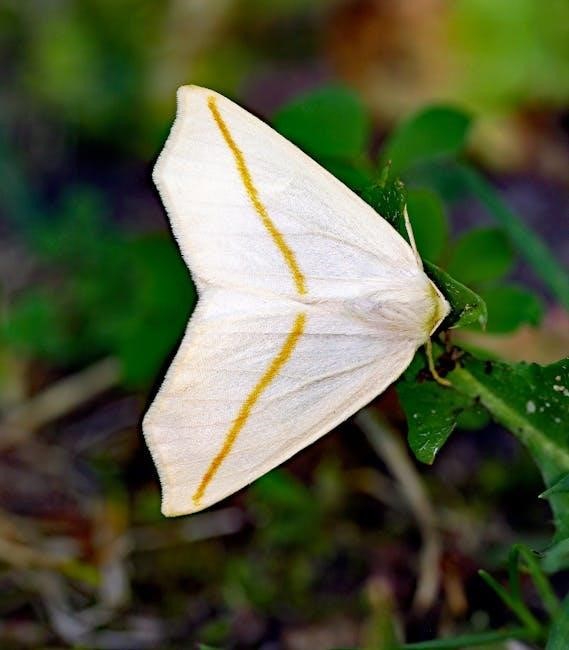
Foreshadowing and Narrative Structure
Strategic placement of foreshadowing clues within the narrative amplifies the story’s impact, subtly guiding the reader toward the moth’s symbolic demise.
How Foreshadowing Contributes to the Overall Impact of the Story
Woolf’s masterful use of foreshadowing elevates “The Moth” beyond a simple observation of nature, imbuing it with profound thematic weight. The repeated emphasis on the moth’s “insatiable energy” coupled with its inevitable death creates a sense of foreboding.
This subtly prepares the reader for contemplation of life’s fragility and the acceptance of mortality. The narrative structure deliberately mirrors the moth’s brief, frantic existence, intensifying the story’s emotional resonance and prompting introspection.
The Placement of Foreshadowing Clues Within the Narrative
Woolf strategically positions foreshadowing clues early in “The Moth,” immediately establishing the moth’s doomed trajectory. Descriptions of its “futile struggle” and “aimless” flight are interwoven with the narrator’s observations, creating a pervasive sense of melancholy.
These initial depictions aren’t overt predictions, but rather subtle hints that gradually build anticipation. This deliberate placement ensures the reader subconsciously anticipates the moth’s demise, amplifying the story’s emotional impact.
Comparison to Foreshadowing in Other Works
Like Frankenstein, “The Moth” employs foreshadowing to create dread and anticipate tragic outcomes, though Woolf’s approach is far more subtle.
Foreshadowing in Gothic Literature (e.g., Frankenstein)
Gothic literature, exemplified by Mary Shelley’s Frankenstein, frequently utilizes foreshadowing to build suspense and hint at impending doom. Professor Gottlieb highlights this technique, demonstrating how early events subtly predict later tragedies. Similarly, “The Moth” employs a delicate foreshadowing, unlike the overt warnings in Gothic novels. Both, however, create a sense of foreboding, preparing the reader for inevitable loss and exploring themes of creation, life, and ultimately, destruction— mirroring the moth’s destined fate and hinting at deeper anxieties.
Foreshadowing Techniques in Modernist Literature
Modernist literature often employs subtle foreshadowing, diverging from Gothic’s dramatic cues. Greenlight Coverage notes how recurring sounds or rhythmic patterns can act as foreshadowing devices. “The Moth” utilizes this subtlety, mirroring the modernist style. The moth’s “insatiable energy” and inevitable death foreshadow deeper themes, creating a sense of dread. Unlike Frankenstein, Woolf’s foreshadowing is less direct, relying on imagery and internal reflection to hint at mortality and meaninglessness.

Critical Interpretations of Foreshadowing in “The Moth”
Scholarly views connect the moth’s symbolism to Virginia Woolf herself, interpreting its death as foreshadowing her own struggles with mental health.
Scholarly Views on the Significance of the Moth Symbol
Academic discourse frequently positions the moth as a potent symbol of fragility and the ephemeral nature of life, directly linking its fate to themes of mortality. Interpretations suggest Woolf utilizes the moth’s “insatiable energy” and inevitable demise to foreshadow her own internal struggles and eventual suicide. The moth’s attraction to the light, despite its destructive consequences, is viewed as a representation of a fatalistic pull towards oblivion. Critics note the irony of admiring a creature destined for death, highlighting Woolf’s exploration of beauty amidst decay and the acceptance of life’s inherent limitations.
Different Perspectives on the Narrator’s Connection to the Moth
Scholars debate the extent of the narrator’s identification with the moth, some arguing it’s a direct parallel to Woolf’s own psychological state. The narrator’s focused observation and empathetic response to the moth’s “futile struggle” suggest a projection of internal anxieties. Others view the connection as more thematic, representing a universal human vulnerability and confrontation with mortality. The moth’s death, therefore, foreshadows not necessarily the narrator’s physical death, but a profound emotional or spiritual crisis.
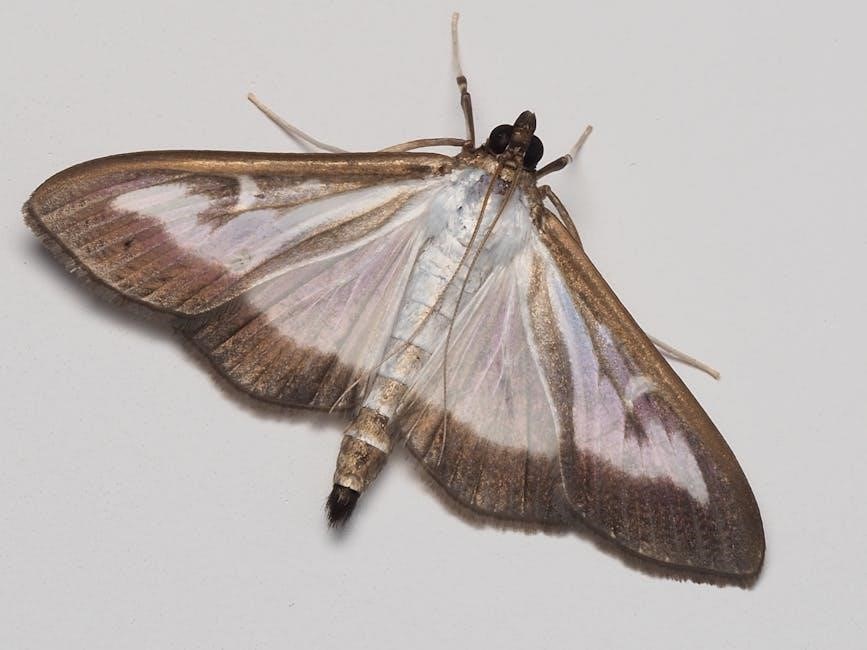
The Impact of Sound and Rhythm
Recurring phrases and rhythmic patterns subtly create a sense of foreboding, mirroring the moth’s frantic energy and inevitable demise within the narrative.
Recurring Phrases and Their Foreshadowing Effect
Woolf’s stylistic choices, particularly the repetition of ideas concerning energy and futility, function as subtle foreshadowing devices. The insistent focus on the moth’s “insatiable energy” contrasted with its “aimless” flight subtly prepares the reader for its inevitable, and seemingly pointless, death.
This mirroring extends to the narrator’s own internal state, hinting at a deeper, underlying sense of despair. The rhythmic prose, while beautiful, contributes to a feeling of inescapable fate, subtly cueing the reader towards the story’s melancholic conclusion.
Use of Onomatopoeia to Create Atmosphere
While “The Moth” doesn’t heavily rely on direct onomatopoeia, Woolf masterfully employs sound and rhythm to build a foreboding atmosphere. The descriptive language evokes the feeling of the moth’s fluttering – a delicate, yet frantic energy – subtly foreshadowing its struggle.
This rhythmic quality, akin to a heartbeat, creates a sense of anticipation and dread. Even subtle sentence patterns function as cues, mirroring the moth’s erratic movements and hinting at its impending demise, enhancing the story’s overall impact.

Further Research and Resources
Explore academic articles on Virginia Woolf and foreshadowing, alongside online resources dedicated to analyzing literary devices within her complex narratives.
Academic Articles on Virginia Woolf and Foreshadowing
Scholarly investigations delve into Woolf’s masterful use of foreshadowing, particularly in “The Moth,” examining how the moth’s demise subtly mirrors themes of life and death. Resources like JSTOR and Project MUSE offer critical analyses exploring the symbolic weight of the moth and its connection to Woolf’s personal experiences. Further research could uncover articles dissecting the narrative structure and how foreshadowing contributes to the story’s overall impact, revealing the delicate interplay between symbolism and impending mortality.
Online Resources for Studying Literary Devices
Numerous websites provide accessible explanations of foreshadowing, aiding comprehension of its function in “The Moth.” Oregon State University’s College of Liberal Arts offers a clear definition and examples, while resources like Literary Devices.net detail techniques. Greenlight Coverage explores how sound—recurring phrases, rhythm—can foreshadow events, mirroring Woolf’s subtle style. These platforms enhance understanding of how seemingly minor details hint at future outcomes, enriching the reading experience.
Woolf’s masterful use of foreshadowing, exemplified by the moth’s fate, powerfully explores themes of life, death, and the ephemeral nature of existence.
Recap of Key Foreshadowing Examples
The narrative’s focus on the moth’s “insatiable energy” coupled with its ultimately futile struggle immediately foreshadows a tragic end. Descriptions emphasize the moth’s inevitable death, creating a sense of foreboding. The moth’s “aimless” flight, devoid of meaning, mirrors potential existential anxieties.
Furthermore, the narrator’s intense observation of the moth’s attraction to the light, knowing it leads to destruction, acts as a potent symbol of self-destructive tendencies and foreshadows a similar fate.
The Enduring Relevance of Woolf’s Exploration of Mortality
Woolf’s poignant depiction of life’s fragility, foreshadowed through the moth’s brief existence, continues to resonate deeply with readers. The story’s subtle foreshadowing compels contemplation on the inevitability of death and the search for meaning.
The moth’s symbolism, potentially representing Woolf herself, adds layers of interpretation, highlighting the author’s own struggles with mental health and mortality, ensuring the story’s lasting impact.