Categories
Manuals

epson wf-2930 manual

Epson WF-2930 Manual: A Comprehensive Guide

This manual provides detailed instructions for setting up, using, and maintaining your Epson WF-2930 printer, covering everything from initial setup to advanced features.

The Epson WF-2930 is a versatile, wireless all-in-one inkjet printer designed for home and small office use. It offers features like printing, scanning, copying, and faxing, all within a compact footprint. This guide will walk you through every aspect of utilizing your printer, ensuring optimal performance and longevity. Expect clear, concise instructions, troubleshooting tips, and insights into maximizing its capabilities.

Unboxing and Initial Setup

Carefully unpack your Epson WF-2930, ensuring all components are present: the printer, power cord, ink cartridges, setup CD, and documentation. Connect the power cord and turn the printer on. Follow the on-screen prompts to select your language and region. Install the included ink cartridges correctly. Connect to your Wi-Fi network during setup for wireless printing and scanning capabilities. Register your printer online for warranty and support access.
Hardware Overview

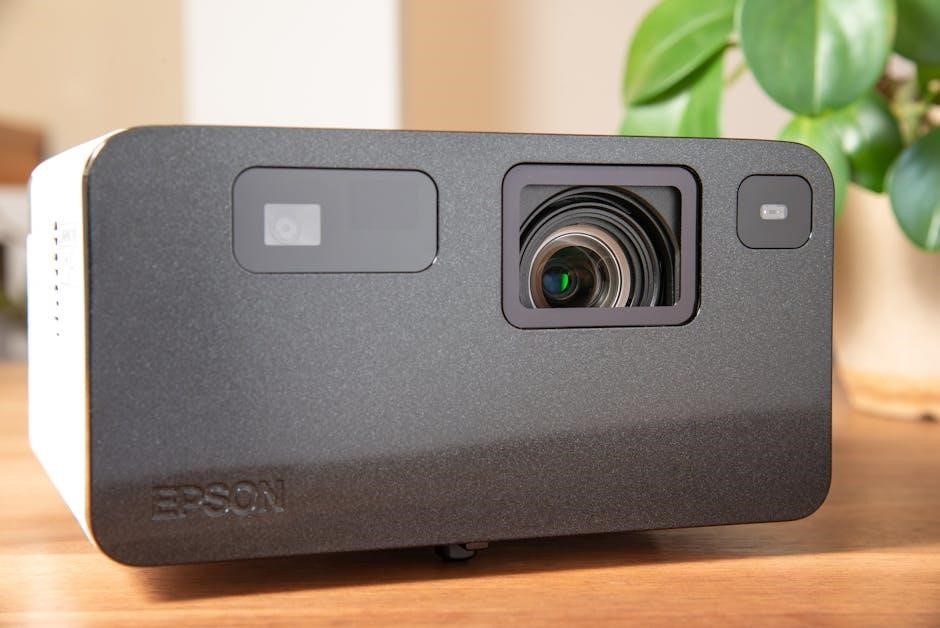
The Epson WF-2930 features a compact design with a user-friendly interface. It includes a color LCD screen for easy navigation and control. The printer boasts automatic two-sided printing capabilities, saving paper and reducing costs. A 100-sheet paper tray accommodates standard paper sizes. The rear paper feed supports specialty media. Explore the printer’s exterior for access points to ink cartridges and paper paths for maintenance.

Printer Components

Key components include the print head, responsible for image creation, and the ink cartridges, utilizing Epson’s DURABrite Ultra ink for sharp, durable prints. The paper feed mechanism ensures smooth paper handling. The scanner unit facilitates copying and scanning functions. The control panel, featuring an LCD screen and buttons, manages printer settings. Finally, the power supply provides necessary energy for operation.

Control Panel Functions

The Epson WF-2930’s control panel features a 2.4-inch color LCD screen for easy navigation and settings adjustments. Buttons allow for direct control of functions like copying, scanning, and Wi-Fi setup. Users can access menus for print quality, paper size, and network configurations. The control panel also displays error messages and ink levels, ensuring efficient printer management and troubleshooting.

Software Installation and Configuration

Installing the Epson WF-2930 software is straightforward, utilizing the included CD or downloadable files from Epson’s website. The installation package includes drivers for printing and scanning, as well as the Epson Printer Utility for managing printer settings. Configuration involves connecting the printer to your computer via USB or Wi-Fi, and completing the software setup wizard for optimal performance and functionality.

Driver Installation Process

The driver installation begins by running the downloaded or CD-based setup file. Accept the license agreement, then choose your connection type – USB or Wi-Fi. The software automatically detects the WF-2930. Follow on-screen prompts; avoid connecting the printer until instructed. Upon completion, test the installation by printing a sample page to confirm successful driver recognition and functionality.

Epson Connect Setup

Epson Connect enables printing and scanning from various devices without direct connection. Download the Epson Smart Panel app on your smartphone or tablet. Create or log into your Epson Connect account. Register your WF-2930 using the serial number. Follow the app’s instructions to connect the printer to your Wi-Fi network. Now you can print from mobile devices and email!

Paper Handling

Proper paper handling ensures optimal print quality and prevents jams. The Epson WF-2930 supports various paper types, including plain paper, envelopes, and photo paper. Always fan the paper stack before loading it into the paper tray to prevent sticking. Adjust the paper guides to fit the paper size snugly. Avoid overfilling the tray to maintain reliable feeding.

Supported Paper Types

The Epson WF-2930 accommodates a wide range of paper, including standard A4 and Letter size plain paper (20-24lb). It also supports glossy and matte photo papers for vibrant prints. Envelopes (#10) and legal-size paper are also compatible. Maximum paper capacity varies depending on the type. Refer to the detailed specifications for weight and size limitations to avoid issues.

Loading Paper Correctly

Ensure proper paper loading for optimal print quality and to prevent jams. Fan the paper stack before loading to separate the sheets. Align the paper guides snugly against the stack, but don’t overtighten. Load paper into the rear feed tray, ensuring it isn’t overfilled. Adjust the paper size setting in the printer menu to match the loaded paper.

Printing Basics

Initiating a print job with the Epson WF-2930 is straightforward. First, ensure the printer is powered on and connected. Open the document you wish to print and select “Print”. Choose the Epson WF-2930 from the available printers. Adjust basic settings like paper size, print quality (draft, normal, best), and color/grayscale options. Click “Print” to begin.

Basic Print Settings

The Epson WF-2930 offers several fundamental print settings for customization. Paper Size allows selection from standard options like Letter, A4, and more. Print Quality controls detail – Draft for speed, Normal for everyday use, and Best for high-resolution output. Color/Grayscale determines printing mode. Duplex printing (two-sided) saves paper. Adjust margins and page orientation (portrait/landscape) as needed for optimal results.

Printing from Different Devices

The Epson WF-2930 supports printing from various devices. Direct printing from USB flash drives is possible via the printer’s front panel. Wireless printing from smartphones and tablets utilizes the Epson iPrint app or Apple AirPrint. Printing from computers (Windows/Mac) requires driver installation. Network printing allows multiple users to access the printer. Ensure device connectivity and correct driver selection for seamless printing experiences.

Scanning and Copying

The Epson WF-2930 offers versatile scanning and copying functionalities. Documents and images can be scanned directly to your computer or saved as searchable PDFs. The integrated scanner supports high-resolution scanning for detailed results. Copying documents is straightforward using the control panel buttons, allowing for quick duplicates. Adjust settings like copy quality and number of copies as needed for efficient document handling.

Scanning Documents and Images

To scan, place your document face down on the scanner glass. Utilize the Epson Scan software on your computer to initiate the scan. Select desired resolution, color mode (black & white, grayscale, or color), and file type (JPEG, PDF, etc.). Preview the scan before finalizing. For images, ensure proper lighting and alignment for optimal results. Save scanned files to your preferred location with a descriptive name.

Copying Documents

The Epson WF-2930 allows for quick and easy document copying. Place the original document face down on the scanner glass. Use the control panel buttons to specify the number of copies desired. Adjust settings like copy quality (standard or high) and paper size as needed. Press the start copy button to begin the process. The printer will automatically scan, copy, and output the duplicates.

Wireless Connectivity

The Epson WF-2930 offers seamless wireless connectivity, enabling printing and scanning from various devices without a direct cable connection. To connect, access the printer’s setup menu via the control panel and select the wireless settings. Choose your Wi-Fi network and enter the password. Ensure a strong signal for optimal performance. Troubleshooting steps are available within the manual for connection issues.

Connecting to Wi-Fi Networks

To connect your Epson WF-2930 to a Wi-Fi network, navigate to the setup menu on the printer’s control panel. Select “Wireless LAN Setup” and choose your network from the available list. Enter your Wi-Fi password accurately when prompted. The printer supports WEP, WPA, and WPA2 encryption. A successful connection is indicated by a stable Wi-Fi icon on the display. Refer to the manual for WPS setup options.

Troubleshooting Wireless Issues

If your Epson WF-2930 experiences Wi-Fi connectivity problems, first ensure the printer is within range of the router. Restart both the printer and your router. Verify the correct Wi-Fi password is entered. Run the network troubleshooter from the printer’s control panel. Check for firmware updates. Interference from other devices can also cause issues; try relocating the printer. Consult the Epson support website for further assistance.

Maintenance and Troubleshooting

Regular maintenance ensures optimal performance of your Epson WF-2930. Periodically clean the print head using the printer’s utility software to prevent clogged nozzles. Address paper jams promptly by following the illustrated guide in this manual. Run nozzle checks to assess print quality. For error messages, consult the troubleshooting section or Epson’s support website for specific solutions and guidance.

Print Head Cleaning

To maintain optimal print quality, regularly clean the Epson WF-2930’s print head; Access the print head cleaning utility through the printer’s control panel or the Epson software on your computer. The cleaning process uses ink to dissolve potential clogs. Run a nozzle check after cleaning to verify improvement. Repeat if necessary, but avoid excessive cleaning to conserve ink.

Paper Jam Removal

If a paper jam occurs, immediately power off the Epson WF-2930. Gently remove any visible paper from the paper path, both inside and outside the printer. Check the rear access panel and the paper tray area. Avoid using tools that could damage the printer’s internal components. Ensure all paper fragments are removed before restarting to prevent recurring jams.

Advanced Features

The Epson WF-2930 offers several advanced features for enhanced productivity. Utilize duplex printing to automatically print on both sides of the paper, saving resources. Explore borderless printing for professional-looking photos and documents. Configure automatic document feeder settings for efficient scanning and copying of multi-page documents. These features optimize workflow and deliver superior results.

Duplex Printing

Enable duplex printing within the printer settings to automatically print on both sides of each sheet. This feature significantly reduces paper consumption and is ideal for documents like reports or drafts. Access the print dialog box, locate the duplex printing option, and select your desired binding edge – long or short. Confirm the settings and initiate printing for eco-friendly results.

Borderless Printing

Achieve professional-looking photos and documents with borderless printing. Within the printer settings, select the borderless option and choose a compatible paper size. Ensure the paper type is appropriate for optimal results; glossy photo paper works best for images. Note that borderless printing utilizes slightly more ink and paper, maximizing the printable area for visually stunning outputs without white edges.

Epson Certified ReNew Program

Epson’s Certified ReNew program offers a sustainable option for purchasing printers like the WF-2930. These refurbished products undergo rigorous testing and adhere to Epson’s stringent quality standards, ensuring reliable performance. ReNew products come with a warranty, providing peace of mind. Choosing ReNew reduces electronic waste and offers a cost-effective alternative to buying new, supporting environmental responsibility.

Image Quality and Settings

The Epson WF-2930 offers adjustable image quality settings for optimal print results. Users can fine-tune sharpness levels to achieve desired clarity, balancing detail with potential artifacts. Exploring different print modes, like standard or enhanced, impacts color vibrancy and detail. Experimenting with these settings ensures prints match individual preferences and media types, delivering consistently high-quality output.

Sharpness Settings and Optimization

Adjusting the sharpness setting on your Epson WF-2930 directly impacts print detail. Lower settings produce softer images, ideal for photos, while higher settings enhance text clarity. Experiment to find the optimal balance; excessive sharpness can introduce artifacts. Consider the paper type – glossy paper often benefits from slightly reduced sharpness for smoother results. Regularly calibrate for consistent, high-quality prints.

Dynamic Mode and Image Enhancement

Epson’s dynamic modes automatically optimize print quality based on content. Utilizing advanced algorithms, these modes enhance colors and contrast for vibrant photos and crisp text. While convenient, be mindful that dynamic modes can sometimes alter the original image slightly. For critical color accuracy, consider manual adjustments. Explore the enhancement settings to tailor output to your specific needs and preferences.

Projector Capabilities (Related Epson Technology)

Epson’s expertise extends beyond printers to innovative projection technology. Their EpiqVision EH-LS800 utilizes ultra-short-throw projection, creating large images from minimal distance. Advanced 4K PRO-UHD laser technology delivers exceptional brightness and color accuracy. While not directly related to the WF-2930, this showcases Epson’s commitment to high-quality imaging solutions for diverse home entertainment needs.

Ultra-Short-Throw Projection

Epson’s ultra-short-throw projectors, like the EH-LS800, redefine home cinema placement. A remarkably short throw ratio – 0.16:1 – allows a 150-inch image from just 11.2 inches away. This eliminates shadows and walkway obstructions, offering flexible installation options. It’s ideal for smaller rooms, providing an immersive viewing experience without the traditional projector distance requirements.

4K PRO-UHD Laser Technology

Epson’s 4K PRO-UHD laser technology, featured in models like the LS12000, delivers stunning image quality. Utilizing advanced pixel-shifting technology, it achieves a true 4K UHD image with 8.3 million distinct pixels. Laser light source ensures vibrant colors, incredible detail, and exceptional brightness, alongside long-lasting reliability and consistent performance for years of immersive entertainment.

Categories
Australia

the good food guide gift card

Understanding the Good Food Gift Card

The Good Food Gift Card offers a delightful culinary experience, usable at a diverse selection of participating restaurants. This versatile merchant category gift card provides flexibility, allowing recipients to choose their preferred dining destination.

Activation occurs upon purchase, granting a three-year validity period from that date, easily checked online at goodfood.gift. It’s a fantastic present for food enthusiasts!

What is the Good Food Gift Card?

The Good Food Gift Card represents a pre-paid payment method designed for use across a network of esteemed restaurants. It’s essentially a versatile gift, offering the recipient the freedom to indulge in a dining experience of their choosing from a curated selection of venues. Unlike a traditional restaurant voucher tied to a single establishment, this card unlocks access to numerous culinary options.

Functioning as a merchant category gift card, its usability is specifically linked to participating restaurants listed on goodfood.gift. It’s important to note that not all establishments featured in Good Food publications or on goodfood.com.au automatically accept the card; verification through the official website is crucial. The card’s value is determined at the time of purchase, providing a convenient gifting solution for any occasion.

The Core Concept: A Restaurant Gift Card

At its heart, the Good Food Gift Card is a restaurant gift card, simplifying the process of gifting a dining experience. It moves beyond the limitations of a single restaurant’s gift certificate, offering a broader range of choices to the recipient. This flexibility is a key differentiator, appealing to those with diverse tastes or uncertain schedules.

The card operates as a pre-funded account, allowing the holder to deduct the cost of their meal at any participating venue. It’s designed to be used like a debit card, requiring a PIN for security during redemption. The core concept revolves around providing a convenient and enjoyable dining solution, fostering exploration within the Good Food network; It’s a thoughtful present for any foodie!

Validity Period and Activation

The Good Food Gift Card boasts a generous validity period of three years, commencing from the date of initial activation. This extended timeframe provides ample opportunity for the recipient to savor a delightful dining experience without feeling rushed. Activation is typically immediate upon purchase, whether online or in-person, ensuring the card is ready for use promptly.

Cardholders can conveniently monitor the remaining balance and validity period by visiting goodfood.gift. This online portal offers a user-friendly interface for tracking card details. It’s crucial to note the expiration date to fully utilize the card’s value. Proactive monitoring ensures the gift isn’t lost to time!

Purchasing a Good Food Gift Card

Good Food Gift Cards are readily available for purchase both online through their official website and at select in-person retail locations, offering convenience.

Where to Buy: Online and In-Person Options

The Good Food Gift Card provides convenient purchasing options to suit everyone’s preferences. The primary and most accessible method is through their official online platform, goodfood.gift, allowing for immediate digital delivery or physical card shipment. This online store offers a seamless browsing and checkout experience, ensuring a hassle-free gift-giving process.

Beyond the digital realm, physical Good Food Gift Cards are also available at various participating retailers. While specific locations may vary, keep an eye out for them at select supermarkets, bookstores, and department stores. Checking the goodfood.gift website’s store locator is recommended to find the nearest in-person purchasing point. This dual availability ensures accessibility for those who prefer the immediacy of a physical card or the convenience of online shopping.

Available Denominations and Pricing

The Good Food Gift Card caters to diverse gifting needs with a range of readily available denominations. Typically, cards are offered in increments starting from $25, then progressing through $50, $100, and $200 options. These pre-set amounts provide convenient choices for various budgets and occasions.

Custom amounts are also frequently supported, allowing gift-givers to specify a precise value tailored to the recipient’s preferences or anticipated dining expenses. The pricing directly reflects the chosen denomination, with no additional fees or hidden charges applied at the point of purchase. This transparent pricing structure ensures clarity and value for every transaction, making it a straightforward and appreciated gift option.

Checking the Card Balance

Maintaining awareness of the remaining balance on your Good Food Gift Card is simple and convenient. The primary method for checking the balance is through the official online portal at goodfood.gift. This website provides a dedicated section where cardholders can easily input their card details and instantly view the current available funds.

Alternatively, many participating restaurants may offer balance inquiry services during the payment process. However, relying on the online portal ensures the most up-to-date and accurate information. Regularly checking the balance allows for informed spending and prevents any potential issues during redemption, maximizing the enjoyment of this versatile gift option. It’s a quick and easy process!

Using the Good Food Gift Card

The Good Food Gift Card unlocks a world of dining possibilities at listed venues on goodfood.gift, offering a flexible and enjoyable culinary experience for all.

Participating Restaurants: The Good Food Network

The Good Food Gift Card provides access to an extensive network of restaurants, carefully curated by the renowned Good Food guide. However, it’s crucial to understand that not every establishment featured in Good Food publications, on goodfood.com.au, or within related media is automatically a participating venue.

To ensure a seamless dining experience, recipients must verify restaurant participation directly on the official goodfood.gift website. This comprehensive list details all locations accepting the card, preventing potential disappointment. The network encompasses a diverse range of cuisines and dining styles, from casual eateries to upscale restaurants, offering something to satisfy every palate. Regularly checking the website is recommended, as the list of participating restaurants may be subject to change. Using the card outside of this specified list will unfortunately not be possible.

How to Redeem: Step-by-Step Guide

Redeeming your Good Food Gift Card is a straightforward process designed for convenience. When presented with the bill at a participating restaurant, simply swipe your card as you would with any standard debit or credit card. The system will then prompt you to select the ‘savings’ option to initiate the payment process.

Following this, you’ll be required to enter your unique four-digit PIN, discreetly located behind the scratch panel on the back of the card. Ensure you carefully protect your PIN to prevent unauthorized use. Once the PIN is verified, the corresponding amount will be deducted from your card balance. Remember to retain your receipt for your records, confirming the transaction and remaining balance. Enjoy your meal!

PIN Security and Usage

Your four-digit Personal Identification Number (PIN) is crucial for securing your Good Food Gift Card and preventing unauthorized access to the funds. This PIN is concealed beneath the scratch panel on the reverse side of the card – protect it immediately after revealing it. Never share your PIN with anyone, and avoid writing it down where it could be easily discovered.

During redemption at a participating restaurant, you will be prompted to enter your PIN at the point of sale. Enter it carefully and discreetly, shielding the keypad from view. If you suspect your PIN has been compromised, or if you’ve forgotten it, contact customer support immediately for assistance. Maintaining PIN security ensures a safe and enjoyable gifting experience.

Terms and Conditions

Good Food Gift Cards are subject to specific terms, functioning as merchant category cards with usage limited to listed venues on goodfood.gift.

Card Usage Restrictions

The Good Food Gift Card, while incredibly versatile, does have certain usage restrictions outlined in its terms and conditions. Primarily, the card functions as a merchant category gift card, meaning it can only be redeemed at restaurants specifically listed on the goodfood.gift website.

Attempting to use the card at venues not featured on this list will unfortunately be unsuccessful. The card cannot be used to purchase other gift cards, nor can it be redeemed for cash. Furthermore, it’s important to note that the card’s usage is confined to the geographical locations where participating restaurants are situated.

Online usage may also be limited, depending on the restaurant’s capabilities, so checking individual restaurant policies is advisable. Always verify the current list of participating restaurants on goodfood.gift before planning your dining experience to ensure a smooth and enjoyable redemption process.

Expiration Dates and Renewal Policies

The Good Food Gift Card boasts a validity period of three years, commencing from the date of its initial activation. This generous timeframe allows ample opportunity for the recipient to savor delightful dining experiences. However, it’s crucial to remember that the card will expire after this three-year period, and any remaining balance will be forfeited.

Currently, The Good Food Gift Card does not offer a renewal policy. Once the card expires, it cannot be extended or reloaded with additional funds. Recipients are encouraged to utilize the full value of the card within the three-year window.

Regularly checking the remaining balance and period of use via goodfood.gift is highly recommended to avoid any unexpected loss of funds. Proactive monitoring ensures maximum enjoyment of this culinary gift!

Lost or Stolen Card Procedures

If your Good Food Gift Card is lost or stolen, unfortunately, it cannot be replaced. As the card functions similarly to cash, Good Food does not offer replacement cards or refunds for lost or stolen funds. This is a standard practice for merchant category gift cards, emphasizing the importance of safeguarding the card.

However, it’s advisable to immediately check your transaction history online at goodfood.gift to identify any unauthorized usage. If suspicious activity is detected, contact your financial institution. While the card itself won’t be replaced, reporting potential fraud is crucial.

To mitigate the risk of loss or theft, treat your Good Food Gift Card with the same care as you would cash. Consider recording the card number and PIN in a secure location (separate from the card itself) for your records.

Gift Card Specifics

The Good Food Gift Card is a merchant category gift card, usable at listed venues on goodfood.gift; usage outside this list isn’t guaranteed.

Merchant Category Gift Card Details

The Good Food Gift Card functions as a merchant category gift card, meaning its acceptance is limited to establishments specifically participating within the Good Food network. This differs from a universally accepted credit card, as its usability is predetermined by agreements between the card issuer and individual restaurants.

Crucially, the terms and conditions explicitly state that the card’s functionality is restricted to the venues showcased on the official goodfood.gift website. Therefore, while Good Food may mention numerous restaurants on goodfood.com.au or in publications, these do not automatically guarantee acceptance of the gift card. Always verify participation before dining to avoid disappointment. This categorization ensures a focused dining experience within the curated Good Food selection.

Geographical Limitations of Use

Currently, the Good Food Gift Card’s usage is primarily concentrated within Australia, aligning with the origin and focus of the Good Food guide itself. While the specific scope isn’t explicitly detailed as a blanket nationwide coverage, participation is heavily weighted towards restaurants listed and reviewed within the Good Food framework in major Australian cities and regions.

It’s important to note that the card’s acceptance isn’t guaranteed in all locations, even within Australia. The goodfood.gift website provides the most accurate and up-to-date list of participating venues. International use is not supported, and attempting to use the card outside of Australia will likely be unsuccessful. Always check venue participation before travel or dining.

Online vs. In-Restaurant Usage

The Good Food Gift Card is predominantly designed for in-restaurant use, offering a traditional dining experience. When settling the bill, simply present the card, select the ‘savings’ option during payment, and enter your confidential four-digit PIN, conveniently located behind the scratch panel on the card itself. This straightforward process ensures a seamless transaction at participating venues.

Currently, direct online usage of the Good Food Gift Card is not a standard feature. It cannot be directly redeemed on restaurant websites for takeaway or delivery orders. However, some restaurants may offer a workaround by allowing phone orders with in-person card collection, but this depends entirely on individual venue policies. Always verify with the restaurant beforehand.

Troubleshooting Common Issues

Good Food Gift Card problems? Check the venue list on goodfood.gift, verify your PIN, and contact customer support for balance discrepancies or card malfunctions.

Card Not Working at a Restaurant

If your Good Food Gift Card is declined at a restaurant, several factors could be at play. First, confirm the establishment is listed as a participating venue on the official goodfood.gift website; the card won’t function at non-participating locations.

Secondly, ensure sufficient funds remain on the card – check your balance online. A common issue involves incorrect PIN entry; double-check and re-enter the four-digit PIN located on the card’s reverse side.

If the problem persists, it’s possible the card hasn’t been activated correctly, or there might be a temporary technical glitch. In such cases, politely request the restaurant staff to contact Good Food support for assistance, or reach out to them directly yourself for immediate resolution.

Balance Discrepancies

Encountering a discrepancy between your expected Good Food Gift Card balance and the amount displayed can be frustrating. The most reliable method for verifying your remaining funds is through the official goodfood.gift website. This provides an up-to-date and accurate balance reading.

If a difference persists after checking online, carefully review your recent transaction history. Remember that each restaurant visit deducts the precise amount spent, including taxes and tips.

Should the online balance still appear incorrect, contact Good Food customer support immediately, providing transaction details and the card number. They can investigate the issue and rectify any errors, ensuring your card reflects the correct available credit for future dining experiences.

PIN Resetting and Recovery

Protecting your Good Food Gift Card PIN is crucial for secure usage. If you’ve forgotten your four-digit PIN, located behind the scratch panel on the card, a reset process is necessary. Unfortunately, direct online PIN resetting isn’t currently available for security reasons.

To recover or reset your PIN, you must contact Good Food customer support directly. They will guide you through a verification process to confirm your card ownership. This typically involves providing card details and potentially purchase information.

Once verified, a new PIN will be issued and communicated to you securely. Remember to memorize your new PIN and avoid sharing it with others to prevent unauthorized access to your card’s funds. Prioritize PIN security for a seamless dining experience.

Alternatives to the Gift Card

Good Food offers appealing alternatives, including flexible subscription options and single-term memberships – perfect gifts for family and friends seeking culinary exploration!

Good Food Subscription Options

Good Food presents a range of subscription choices, offering a continuous culinary journey beyond a one-time gift. These subscriptions deliver ongoing access to exclusive content, restaurant reviews, and potentially, special offers from participating venues. Unlike a gift card with a fixed value, a subscription provides sustained enjoyment for the recipient.

Considered a thoughtful alternative, subscriptions cater to dedicated foodies who appreciate consistent inspiration and discovery. They represent a commitment to culinary exploration, extending the gifting experience far beyond a single meal. Explore various subscription tiers to find one that aligns with the recipient’s preferences and budget, ensuring a truly personalized and appreciated present. Browse available options on the Good Food website for detailed information.

Single Term Memberships as Gifts

Good Food offers single-term memberships, presenting a compelling gifting alternative to the standard gift card. These memberships provide a defined period of access to premium content, including in-depth restaurant reviews, exclusive recipes, and potentially, member-only events or discounts. This option is ideal for those wanting to gift a focused burst of culinary enrichment.

Unlike a gift card’s open-ended use, a single-term membership delivers a curated experience, encouraging exploration within the Good Food ecosystem. It’s a particularly suitable gift for individuals embarking on a new culinary adventure or seeking to deepen their appreciation for gastronomy. Explore the available term lengths and benefits to select a membership perfectly tailored to the recipient’s interests and timeframe.

Direct Restaurant Gift Certificates

While the Good Food Gift Card offers broad restaurant access, direct gift certificates from individual establishments present a focused alternative. These certificates confine spending to a single venue, making them perfect for recipients with a strong preference for a specific restaurant within the Good Food network – or beyond. This approach allows for a more personalized gifting experience, demonstrating thoughtful consideration of the recipient’s tastes.

However, unlike the Good Food card’s versatility, direct certificates lack flexibility. They are tied to a single location and may have specific usage restrictions. Consider the recipient’s dining habits and preferences when choosing between the convenience of a multi-venue card and the personalized touch of a direct restaurant certificate.

The History of “Good” and its Forms

“Good”, a common adjective, forms its comparative as “better” and superlative as “best” – irregular forms stemming from historical linguistic shifts and influences.

“Good” vs. “Well”: Understanding the Difference

Distinguishing between “good” and “well” is crucial for correct grammar, though often confused. “Good” functions as an adjective, describing nouns – for example, a “good” meal or a “good” restaurant experience with the Good Food Gift Card. It denotes quality or a positive attribute.

Conversely, “well” typically acts as an adverb, modifying verbs. It indicates how something is done. While saying “I did good in the exam” is common, it’s grammatically incorrect; “I did well” is the proper form. However, “well” can also function as an adjective when referring to health – “I feel well.”

Understanding this distinction ensures clear communication when discussing the benefits and usage of the Good Food Gift Card and the dining experiences it unlocks.

Irregular Comparative and Superlative Forms (Better, Best)

English presents irregularities in forming comparative and superlative adjectives. Unlike most, “good” doesn’t follow the standard “-er” and “-est” rules. Instead, its comparative form is “better,” and its superlative is “best.” This deviation stems from historical linguistic shifts, potentially influenced by older Germanic roots.

Consider the Good Food Gift Card: a “good” gift is enhanced to a “better” gifting option when tailored to a foodie’s preferences. It’s arguably the “best” choice for those seeking a versatile and appreciated present. This irregularity isn’t unique to “good;” words like “bad” (worse, worst) and “old” (older/elder, oldest/eldest) also exhibit this pattern.

Recognizing these exceptions is vital for accurate and fluent English, even when discussing the merits of a delightful gift card!

Categories
Manuals

b hyve hose timer manual

The B-hyve Hose Timer simplifies faucet watering, offering convenient control from your phone․ With Wi-Fi hub integration, automate, manage, and optimize your garden’s irrigation, saving water and time with smart, precise scheduling․

Overview of Models and Features

Orbit offers various B-hyve hose timers, catering to diverse watering needs․ Key models include the Bluetooth Hose Faucet Timer, providing convenient control directly from your smartphone within Bluetooth range․ For enhanced functionality, the Smart Hose Faucet Timer with Wi-Fi Hub connects your device to the internet, enabling remote control and advanced features․ Users can schedule, manually operate, and monitor water flow without physical access to the timer․ Features common across models often include automatic rain delays and seasonal adjustments, manageable directly from the B-hyve app․ The “smart” watering capability, particularly with Wi-Fi models, leverages hyper-local precision, property attributes, and real-time weather data for optimized irrigation․ Multi-port versions, such as the B-hyve XD 4-Port Smart Timer, allow for individual zone management․ Some newer generations, like Gen 2, boast extended Wi-Fi range and potential integrations like Apple HomeKit, further expanding their utility for intelligent, effortless watering, ensuring responsible water usage and a thriving landscape․

Benefits of Smart Watering Systems

Smart watering systems, such as the B-hyve hose timers, offer significant advantages for modern irrigation․ They provide unparalleled convenience, allowing users to schedule, manually operate, and monitor water flow directly from their smartphone, eliminating the need to physically access the timer․ With a Wi-Fi hub, this control extends remotely, saving considerable time and effort․ A primary benefit is responsible water usage; these systems ensure intelligent irrigation by utilizing hyper-local precision, property attributes, and real-time local weather data․ This optimization prevents overwatering, leading to substantial savings on water bills and conserving a precious resource․ Features like automatic rain delays and convenient seasonal adjustments, controllable from your phone, further enhance efficiency․ Ultimately, B-hyve systems maintain a thriving landscape with less hassle, providing maximum watering control over each zone, making them ideal for various hose-based irrigation setups and promoting effortless, optimized outdoor watering․

Getting Started: Setup and Installation

Embark on smart watering by setting up your B-hyve timer․ Download the app, power the Wi-Fi hub, and pair the device․ Attach it to your faucet for effortless control․

Downloading the B-hyve App

To unlock the full potential of your B-hyve hose timer, the essential first step is downloading the free B-hyve app․ This crucial application transforms your smartphone into a central control hub, enabling you to effortlessly manage, schedule, and monitor your outdoor watering activities․ It streamlines faucet watering, making it significantly faster, easier, and more convenient, removing the need for direct manual interaction with the timer in your garden․

Access your device’s app store – the Apple App Store for iOS or Google Play Store for Android․ Search for “B-hyve” or “Orbit B-hyve” to locate the official application․ Once identified, initiate the download and installation․ This primary action is indispensable, as the app provides the intuitive interface and guidance necessary for all subsequent setup procedures, including connecting your Wi-Fi hub and pairing your timer, ensuring a smooth transition to intelligent irrigation control from the start․

Connecting the Wi-Fi Hub and Pairing Your Timer

Once the B-hyve app is installed, the next critical step is to establish connectivity between your Wi-Fi hub and your smart hose timer; Begin by powering your Wi-Fi hub; simply plug it into a standard indoor electrical outlet․ Ensure it’s placed in a central location within your home to maximize signal strength to your timer․

With the hub powered, open the B-hyve app on your smart device․ The app will guide you through a straightforward pairing wizard․ Follow the on-screen prompts to connect your hub to your home Wi-Fi network․ This process typically involves selecting your network and entering its password․ After the hub is connected, you will then pair your B-hyve hose timer with the hub, allowing it to communicate with the internet․ This crucial connection enables remote control, smart watering features, and weather-based adjustments, transforming your watering experience into an effortless, intelligent system accessible from anywhere․

Physical Installation to Your Faucet

Once your B-hyve app is ready and the Wi-Fi hub is connected, the final step before watering is the physical installation of your timer to an outdoor faucet․ Begin by screwing the B-hyve hose timer directly onto any standard outdoor hose bib․ Ensure the connection is snug and secure to prevent any leaks, which some users have reported at the hose attachment point․ A rubber washer is typically included and should be properly seated within the timer’s inlet to create a watertight seal․ Hand-tighten the timer; avoid using tools that could overtighten and damage the plastic threads․ Position the timer so its display is easily visible and accessible, especially if you plan to use manual controls directly on the device․ After installation, slowly turn on your faucet to a full open position and carefully check for any drips or leaks around the connection․ Resolving any leaks now will ensure efficient water usage and prevent future hardware concerns, ensuring your system operates flawlessly throughout the season․

Programming Your Watering Schedule

B-hyve offers flexible scheduling, allowing users to create smart watering programs based on conditions or set reliable fixed schedules․ Both options provide convenient control through the intuitive B-hyve app․

Setting Up Smart Watering Programs

To unlock the full potential of your B-hyve timer, setting up smart watering programs is essential․ This advanced feature uses hyper-local precision, integrating your specific property attributes and real-time local weather data for optimal water efficiency․ While designed for intelligence, its effectiveness hinges on accurate user input within the B-hyve app; You’ll need to define critical parameters like soil type, plant type, and sun exposure for each zone․ A common troubleshooting tip for smart watering not initiating is to check and adjust the soil moisture setting; ensure it’s not at 100%, as setting it to zero can often resolve this․ Once configured, the system generates a dynamic schedule, automatically adapting to environmental changes․ This includes managing automatic rain and wind delays, providing a hassle-free, optimized watering routine․

Creating Fixed Watering Schedules

For users who prefer a consistent, predictable watering routine or find the intricacies of smart watering too complex, the B-hyve app allows for the creation of fixed watering schedules․ This method ensures your plants receive water on specific days and times you define․ Even with a fixed schedule, your B-hyve timer remains intelligent, as you still benefit from automatic rain delays․ This prevents unnecessary watering during rainfall, conserving water despite a set program․ Setting these schedules is straightforward through the B-hyve app, offering a convenient way to manage your irrigation without needing to interact directly with the physical timer․ You can specify start times, durations, and days of the week for each zone․ Furthermore, the app facilitates seasonal adjustments across all your fixed programs, making it much simpler to modify watering intensity as the weather changes throughout the year, all from your smartphone․

Manual Control and Advanced Features

B-hyve timers provide immediate manual watering control by pressing the device button․ Users can also manage automatic rain delays and implement seasonal adjustments conveniently through the app, offering comprehensive oversight․

Initiating Manual Watering

Manual control provides immediate flexibility for your watering needs, allowing activation outside programmed schedules․ To initiate manual watering directly from your B-hyve timer, press and hold the B-hyve button for three seconds․ The device confirms activation by blinking green for 2 seconds, and the watering cycle commences․ This direct interaction is invaluable for quick tasks like spot watering new plants, testing sprinkler heads, or providing extra hydration during unexpected dry spells․ Manual watering takes precedence over any scheduled programs or active rain delays, effectively canceling the next automated event to ensure your immediate command is executed swiftly․ The B-hyve app also facilitates manual watering, offering selectable durations (e․g․, 15, 30, or 60 minutes), enhancing digital convenience and control․ This feature ensures you maintain full command, even when smart schedules are active, allowing for responsive and precise adjustments to your landscape’s specific and immediate requirements․

Managing Automatic Rain Delays

B-hyve smart hose timers are designed to automatically manage watering schedules by implementing rain delays, a crucial feature for water conservation and preventing overwatering․ Even when using fixed watering schedules, users benefit from these automatic delays, as the system leverages local weather data to postpone irrigation if rain is detected or anticipated․ This intelligence ensures your landscape receives optimal moisture without waste․ Should you need to override an active rain delay, you can do so directly from the device․ To remove a rain delay, press and hold the dial or B-hyve button for 3 seconds․ The rain delay symbol on the display will then turn off, and your timer will resume its originally programmed watering schedule․ Alternatively, within the B-hyve app, navigate to ‘My B-hyve’, then ‘Devices’, select your specific timer, and you can locate and adjust or turn off the ‘Weather Delays’ setting as needed․ This flexibility ensures complete control over your watering, adapting to both automated intelligence and immediate requirements․

Seasonal Adjusts and Customization

Optimizing your watering strategy throughout the year is crucial, and B-hyve hose timers offer robust seasonal adjustment capabilities․ While the B-hyve system provides smart watering, its intelligence is enhanced by your input on various settings, allowing for tailored performance․ A key benefit is the ability to perform seasonal adjustments across all your watering programs directly from your smartphone․ This eliminates the need to physically interact with the timer, offering unparalleled convenience for adapting to changing weather patterns and plant needs․ The system leverages hyper-local precision, utilizing your property’s specific attributes and real-time local weather data to inform these adjustments․ This integration ensures that your watering schedules are not only customized but also responsive to environmental conditions․ With a Wi-Fi Hub, you gain seamless control, making manual adjustments a thing of the past․ Whether you’re fine-tuning for a hot summer or scaling back for cooler seasons, B-hyve’s customization features provide efficient and effective water management, optimizing for a thriving landscape year-round․

Troubleshooting Common Issues

Encountering problems? Common B-hyve issues include connection difficulties, leaks, and optimizing smart watering․ Check app settings, hardware, and ensure correct device generation for smooth operation․

Resolving Connection and Display Problems

When facing connection or display issues with your B-hyve hose timer, several crucial steps can help restore functionality․ First, verify that your Wi-Fi hub is properly plugged into an indoor outlet and fully powered․ Ensure your smart device has Bluetooth enabled and that you’ve selected the correct B-hyve timer generation within the app – selecting the wrong model (e․g․, Gen 2 instead of Gen 1) is a common oversight․ If the LCD display isn’t showing the next watering time, try switching between Bluetooth and Wi-Fi modes in the app, then switch back to Wi-Fi․ A ‘reset connection’ option under your device settings in the app can often resolve persistent hub connection problems․ For stubborn cases, some users have found success by pressing the timer’s power button five times; this should activate a red light, followed by a blinking blue Bluetooth light every five seconds, indicating a diagnostic state․ Always re-pair your device by diligently following the in-app wizard and entering any required pairing codes․ These measures typically address most connectivity and display anomalies effectively․

Addressing Leaks and Hardware Concerns

Leaks are a common hardware concern with hose timers, particularly at the connection point to the faucet․ If you notice water leaking from the hose attachment, inspect the connection for tightness and ensure any washers are properly seated․ Some users have reported leaks developing after seasonal storage, suggesting that seals might degrade over time or be affected by temperature changes․ If your B-hyve timer is leaking and you purchased it recently, check its warranty․ Many B-hyve models come with a two-year warranty, allowing for repair or replacement of faulty parts․ Additionally, for overall water resistance and longevity, it’s crucial to firmly replace the battery tray․ A properly seated battery tray ensures a secure seal, preventing water intrusion that could damage internal components and lead to malfunctions․ If a specific part appears busted, contacting Orbit support for warranty claims or replacement parts is advisable․ Always ensure all connections are snug to prevent water waste and system inefficiency․

Optimizing Smart Watering Performance

Optimizing B-hyve smart watering performance fundamentally relies on accurate user input and careful configuration․ While intelligent, the system’s effectiveness hinges on settings like property attributes and real-time local weather data to truly optimize schedules for responsible water usage․ Users have noted that adjusting the “soil moisture” setting for each zone is crucial; some even recommend setting it to zero initially to ensure the smart feature functions correctly․ The B-hyve provides valuable automatic rain and wind delays, but understanding their interaction with your custom settings is key․ Convenient seasonal adjustments can be managed directly through the app, applying changes across all programs without needing to access the timer physically․ If smart watering is not performing as expected, verify your Wi-Fi hub connection remains stable, as connectivity issues can hinder data updates․ Properly configured, your B-hyve can maximize watering efficiency․

Accessing Official User Manuals

For comprehensive guidance on your B-hyve hose timer, official user manuals are readily available to ensure you maximize its smart watering capabilities․ Orbit provides an extensive database of B-hyve manuals, including operation guides, owner’s manuals, and quick start guides, all accessible for free online viewing or downloading in PDF format․ These resources are invaluable for setting up your Smart Hose Faucet Timer with Wi-Fi Hub, understanding design guidelines, system components, and electrical requirements․ Specific manuals cover models like the HT31BT B-Hyve XD Bluetooth Hose Faucet Timer and the Orbit 21004 B-hyve Smart Hose Faucet Timer with Wi-Fi Hub, compatible with Alexa․ Whether you’re troubleshooting common issues or exploring advanced features, consulting the detailed user manual is crucial․ You can find these essential documents directly on the Orbit website or through associated product pages, offering clear instructions for installation, programming, and maintenance․ Always refer to these official resources for the most accurate and up-to-date information regarding your device․

Categories
Guide

size guide superdry

Superdry Size Guide: A Comprehensive Overview (Updated 09/01/2026)

Superdry primarily targets 15-25 year olds, offering affordable, premium quality clothing; however, fit varies by style, requiring careful consideration of official charts.

Target Demographic & Brand Identity

Superdry’s core demographic centers around young adults, specifically individuals aged between 15 and 25. The brand strategically positions itself within the casual lifestyle and branded fashion sectors, aiming for a youthful aesthetic. This focus influences design choices, prioritizing contemporary styles and trends appealing to this age group. While age isn’t a barrier to enjoying the brand, understanding this target audience is crucial when considering sizing.

Superdry cultivates an image of accessible premium quality. They offer clothing, accessories, footwear, and even cosmetics at price points designed to attract younger consumers. The brand identity leans towards a relaxed, yet stylish vibe, often incorporating distinctive logo detailing. Knowing this helps manage expectations regarding fit – styles may be designed with a slimmer, more modern silhouette favored by their target demographic.

Understanding Superdry’s Fit Philosophy

Superdry doesn’t adhere to a single, uniform fit. Their philosophy embraces variety, offering slim, regular, and relaxed fits across different product categories. This means a consistent size number doesn’t guarantee a consistent feel. Fitted jackets and slim-cut styles generally run smaller, requiring potential sizing up. Conversely, hoodies, joggers, and tees often align with true-to-size expectations.

Outerwear, particularly parkas and quilted coats, can feel snug in the shoulders and arms, reflecting a closer, more tailored cut. The brand’s approach prioritizes style alongside fit, sometimes resulting in a more fashion-forward silhouette. Therefore, carefully reviewing product descriptions for specific fit details is essential for achieving the desired look and comfort. Always prioritize referencing the official size chart.

General Sizing Tendencies

Generally, Superdry tends to run small in fitted jackets and notably slimmer styles, prompting many customers to size up for a comfortable fit. However, the brand frequently delivers true-to-size fits in more relaxed items like hoodies and joggers, alongside their t-shirt offerings. Footwear, including both shoes and boots, typically aligns with standard sizing expectations.

A key consideration is outerwear; the shoulders and arms can feel particularly snug, especially in heavier coats like parkas or quilted designs. This suggests a more tailored silhouette. It’s crucial to remember these are broad tendencies, and individual styles can deviate. Always consult the specific product details and official size guide.

Superdry Runs Small: Key Items

Superdry’s fitted jackets consistently report running smaller than expected, making sizing up a common recommendation for achieving a comfortable and flattering fit. This tendency extends to slim-fit styles across various garment types, including certain shirts and trousers designed for a closer body contour. Henleys and polo shirts, based on customer experiences, also lean towards a tighter fit, suggesting sizing up is advisable.

Specifically, when considering quilted or parka-style outerwear, the snugness in the shoulders and arms is frequently noted. Therefore, prioritizing a slightly larger size can prevent restriction and enhance overall wearability. Always check recent reviews for specific item feedback.

Superdry Runs True to Size: Common Styles

Fortunately, not all Superdry items run small! Many customers report that hoodies and joggers generally fit true to size, aligning with standard UK measurements. This consistency allows for more predictable purchasing, especially for relaxed-fit styles intended for comfort and casual wear. Shoes and boots from Superdry also typically adhere to standard sizing, minimizing the need for adjustments.

When selecting these common styles, referencing the official size chart remains crucial, but the likelihood of needing to size up is significantly reduced. Prioritizing accurate measurements and considering the intended fit – whether relaxed or standard – will ensure a satisfactory purchase.

Detailed Size Charts by Category

Superdry’s sizing isn’t uniform across all product lines; therefore, consulting category-specific charts is essential for an accurate fit. Variations exist between men’s and women’s clothing, and even within those categories, different items require unique considerations. Detailed charts are available on the official Superdry website, providing measurements for everything from t-shirts and jeans to jackets and dresses.

These charts typically include chest, waist, inseam, and shoulder measurements, allowing customers to pinpoint their ideal size. Remember that these are guidelines, and individual styles may vary. Always prioritize accurate self-measurement before referencing the charts.

Men’s Clothing Size Guide

Superdry men’s sizing demonstrates some inconsistencies. Generally, fitted jackets and slim-fit styles tend to run small, often necessitating sizing up for a comfortable fit. Conversely, hoodies, joggers, and standard t-shirts typically align with true-to-size expectations. Jeans and trousers require precise waist and inseam measurements, referencing the official chart is crucial.

Outerwear, particularly parkas and quilted coats, can feel snug in the shoulders and arms, so consider a larger size if you prefer layering or a looser fit. Always check individual product descriptions for specific fit details, as variations occur.

T-Shirts & Polos

Superdry t-shirts and polos generally run true to size, but experiences vary. Some customers report henleys and polo shirts fitting rather tightly, recommending sizing up for a more relaxed feel. If you prefer a slimmer silhouette, your usual size should suffice. However, considering the brand’s overall tendency to run small in fitted styles, it’s prudent to consult the official size chart.

Pay attention to fabric composition; some materials may have less stretch. Checking customer reviews for specific styles can provide valuable insights into fit accuracy before making a purchase.

Hoodies & Sweatshirts

Superdry hoodies and sweatshirts are frequently described as running true to size, offering a comfortable and generally accurate fit for most customers. However, if you prefer a looser, more relaxed style, or plan to layer clothing underneath, consider sizing up. The brand offers various fits, from slim to regular, so always check the product description for specific style details.

Pay close attention to the garment’s length, as some styles may be shorter or longer than others. Referencing the official size chart is crucial, especially when comparing Superdry sizing to other brands you typically wear.

Jackets & Coats

Superdry jackets and coats generally run small, particularly in fitted and slim-fit styles. It’s often recommended to size up, especially if you intend to wear layers underneath. Outerwear, like parkas and quilted coats, can feel snug in the shoulders and arms, so consider this when selecting your size.

The brand’s outerwear caters to diverse needs, offering various fits. Always consult the official size chart and pay attention to style/fit descriptions. Accurate measurements are vital to avoid discrepancies compared to other brands. Prioritize shoulder and arm measurements for a comfortable fit, ensuring adequate movement.

Jeans & Trousers

Superdry jeans and trousers sizing can be inconsistent, varying between styles – slim, regular, or relaxed fits are available. Generally, the brand tends to run small in fitted styles, so consider sizing up for a more comfortable experience, particularly if you prefer a looser fit or plan to wear thicker socks/layers.

Accurate waist and inseam measurements are crucial when purchasing Superdry trousers online. Always refer to the official size chart provided on their website, as sizes can differ from other brands. Checking product descriptions for specific fit details will also help ensure a perfect fit and avoid unnecessary returns.

Women’s Clothing Size Guide

Superdry’s women’s clothing, like the men’s line, exhibits sizing variations depending on the garment’s style. While some items run true to size, others, particularly fitted jackets and slimmer silhouettes, tend to run small. It’s essential to consult the official Superdry size chart before making a purchase to ensure an accurate fit.

Pay close attention to style and fit descriptions provided with each product. Understanding whether an item is designed for a slim, regular, or relaxed fit will significantly impact your sizing choice. Prioritizing accurate measurements and referencing the guide will minimize sizing discrepancies.

T-Shirts & Tops

Superdry t-shirts and tops generally run true to size, but individual experiences may vary. While some customers report a comfortable, standard fit, it’s always prudent to check the specific product description for details regarding the cut and style. Consider whether you prefer a looser or more fitted look when selecting your size.

Given the brand’s tendency for slight inconsistencies, referencing the official size chart is crucial. Comparing your measurements to the chart will help avoid potential sizing issues. Remember that older experiences with shirts may not reflect current sizing, so prioritize the latest information available on the Superdry website.

Superdry hoodies and sweatshirts typically run true to size, offering a comfortable and relaxed fit for most body types. However, those preferring a more fitted aesthetic might consider sizing down, particularly for slimmer-fit styles. Always consult the individual product description for specific fit information, as variations can occur.

To ensure the best fit, referencing the official Superdry size chart is highly recommended. Compare your chest and arm measurements to the chart to determine your ideal size. Remember that layering potential should also be considered; if you plan to wear items underneath, opting for a slightly larger size might be preferable.

Superdry jackets and coats generally run small, especially in fitted and slim styles. It’s crucial to carefully review the size chart and consider sizing up, particularly for outerwear intended to be layered over thicker clothing. Pay close attention to shoulder and arm measurements, as these areas often feel snug, especially in parkas and quilted coats.

Outerwear fit caters to diverse needs – slim, regular, or relaxed. The official size guide is essential for accurate measurements and avoiding discrepancies. Check product descriptions for style/fit details. If between sizes, choosing the larger size is advisable to accommodate layering and ensure comfortable movement.

Dresses & Skirts

Information regarding Superdry dresses and skirts sizing is currently limited in readily available resources. However, applying the brand’s general sizing tendencies is advisable. Given that many Superdry items run small, particularly in fitted styles, it’s prudent to consult the specific product’s size chart before purchasing dresses or skirts.

Pay close attention to waist and hip measurements, as these are critical for a proper fit. When in doubt, consider sizing up, especially if the garment has a more structured or fitted silhouette. Reviewing customer reviews, if available, can provide valuable insights into the actual fit of specific styles.

Specific Item Fit Considerations

Superdry’s fit can vary significantly between different garment types. Henleys and polo shirts, for example, are reported to run tighter, suggesting sizing up for a more comfortable fit is often beneficial. This is particularly true if you prefer a less fitted appearance or fall between sizes.

Outerwear, especially parkas and quilted coats, tends to feel snug in the shoulders and arms. Therefore, considering a size larger might be necessary to accommodate layering or ensure a full range of motion. Always prioritize checking the individual product’s size guide, as these nuances aren’t consistent across the entire range.

Henleys & Polo Shirts: Sizing Recommendations

Based on customer experiences, Superdry henleys and polo shirts generally run rather tight. This isn’t necessarily a negative aspect of the design, but it does influence sizing choices. To ensure a comfortable and flattering fit, it’s strongly recommended to consider sizing up from your usual size.

This advice is particularly relevant if you prefer a more relaxed fit or if you’re between sizes. Sizing up will provide additional room and prevent the garment from feeling restrictive. Remember to consult the specific product’s measurements on the official Superdry website for the most accurate guidance.

Outerwear: Shoulders & Arms

Superdry outerwear, particularly parkas and quilted coats, often presents a snug fit in the shoulder and arm areas. This is a common observation reported by customers, suggesting that the cut is designed to be closer to the body for a streamlined appearance.

If you prefer a looser fit or plan to layer clothing underneath your outerwear, it’s advisable to consider sizing up. Pay close attention to the shoulder measurements provided in the official size chart, ensuring sufficient room for comfortable movement. Checking arm length is also crucial, especially for those with longer arms.

International Size Conversions

Understanding international size variations is crucial when purchasing Superdry clothing from different regions. While Superdry predominantly uses UK sizing, accurate conversions are essential for a proper fit. A UK to US size conversion is often necessary for American customers, as sizes differ significantly.

Similarly, converting EU sizes to UK sizes is vital for shoppers within Europe. It’s important to consult reliable conversion charts, as discrepancies can occur between brands. Always double-check measurements against the official Superdry size guide to ensure the most accurate fit, avoiding potential returns or exchanges.

UK to US Size Conversion

Converting from UK to US sizes for Superdry requires careful attention, as a direct numerical translation isn’t always accurate. Generally, a UK size 8 equates to a US size 6, a UK 10 corresponds to a US 8, and a UK 12 translates to a US 10. However, these are approximate guidelines.

For menswear, a UK 38 chest often aligns with a US 38-40, while a UK 40 chest typically fits a US 40-42. It’s always best to consult the specific garment’s measurements on the Superdry website. Remember to prioritize chest, waist, and inseam measurements for the best possible fit, rather than relying solely on converted size labels.

EU to UK Size Conversion

Translating European (EU) sizes to UK sizes for Superdry clothing requires a straightforward conversion, but verifying with the official size chart is crucial. Generally, an EU size 36 equates to a UK size 10, an EU 38 corresponds to a UK 12, and an EU 40 translates to a UK 14. These conversions apply primarily to women’s wear.

For menswear, an EU 48 often aligns with a UK 38, while an EU 50 typically fits a UK 40. However, variations can occur. Always prioritize checking the specific product’s measurements on the Superdry website to ensure an accurate fit, considering individual style preferences and body shape.

Measuring Yourself for Superdry

Accurate self-measurement is paramount for achieving the perfect Superdry fit, as sizing can vary between styles. Begin with chest/bust measurement – using a soft tape measure, measure around the fullest part of your chest or bust, keeping the tape level. For waist measurement, find your natural waistline (typically the narrowest part) and measure around it comfortably.

Finally, determine your inseam by measuring from your crotch to where you want your trousers to end. Comparing these measurements to Superdry’s official size chart will significantly reduce the risk of ordering the wrong size, ensuring a stylish and comfortable experience.

Chest/Bust Measurement

To obtain an accurate chest or bust measurement for Superdry sizing, stand naturally and relax your arms. Using a soft measuring tape, measure around the fullest part of your chest, ensuring the tape is level across your back and under your arms. Don’t pull the tape too tightly; it should be snug but comfortable.

For women, this will typically be across the fullest part of the bust. Record this measurement in inches or centimeters, and then consult the Superdry size chart to determine your corresponding size. This crucial step minimizes sizing errors and ensures a flattering fit.

Waist Measurement

Accurately measuring your waist is vital for selecting the correct size in Superdry jeans, trousers, and some jackets. Locate your natural waistline – typically the narrowest part of your torso, above your belly button. Stand relaxed and exhale normally.

Wrap a soft measuring tape around your waist, ensuring it’s snug but not constricting. Keep the tape level all the way around. Record the measurement in inches or centimeters. Refer to the official Superdry size guide, as waist sizes can vary between styles (slim, regular, relaxed). A precise waist measurement contributes significantly to a comfortable and stylish fit;

Inseam Measurement

For Superdry jeans and trousers, obtaining an accurate inseam measurement is crucial for achieving the desired length and overall fit. Stand straight with your shoes on – the footwear you intend to wear with the jeans. Have someone assist you, or carefully measure yourself using a flexible measuring tape.

Measure from the crotch seam down the inside of your leg to where you want the hem to fall. Common lengths include 30, 32, and 34 inches. Consult the Superdry size chart, as inseam lengths can differ based on style and cut. A correct inseam ensures your trousers complement your height and shoe choice.

Tips for Avoiding Sizing Discrepancies

To minimize sizing issues with Superdry clothing, always prioritize referencing the official Superdry size chart available on their website. Remember that sizing can vary between brands, so don’t rely on your usual size alone. Carefully consider the style and fit descriptions provided for each item; noting whether it’s slim, regular, or relaxed.

Pay attention to customer reviews, as they often offer valuable insights into the actual fit of specific garments. When in doubt, it’s generally safer to size up, especially with fitted jackets or henleys. Understanding these nuances will significantly improve your chances of a perfect fit.

Referencing the Official Size Chart

Superdry’s official size chart is your most reliable tool for accurate measurements, crucial given their varied fit. The guide ensures a perfect fit by considering body type and style preferences. It’s essential to measure yourself accurately – chest, waist, and inseam – and compare those figures directly to the chart.

Don’t assume your standard size will translate perfectly; Superdry can differ. Always check the chart for each specific item as variations exist. This proactive step minimizes returns and ensures you receive clothing that fits comfortably and looks its best. Prioritize this step for a successful shopping experience.

Considering Style/Fit Descriptions

Superdry frequently includes style and fit descriptions on product pages – utilize these! Knowing whether an item is designed as ‘slim fit’, ‘regular fit’, or ‘relaxed fit’ is vital for selecting the correct size. For example, fitted jackets and slim styles generally run small, suggesting sizing up. Conversely, hoodies, joggers, and tees often fit true to size.

Pay close attention to details regarding shoulder and arm fit, especially in outerwear like parkas or quilted coats, which can feel snug. These descriptions complement the size chart, providing a more nuanced understanding of how the garment will wear.