
Categories
Manuals

wayne dalton garage opener manual

Wayne Dalton Garage Opener Manual: A Comprehensive Guide

Navigating Wayne Dalton systems, often now LiftMaster, requires understanding potential failures, remote compatibility (like the 303 MHz Quantum 3212), and repair costs—potentially $1000+ for a full replacement.

Understanding Wayne Dalton Garage Openers & LiftMaster Integration

Wayne Dalton garage door openers, particularly the 8000 series utilizing the TorqueMaster system, have largely transitioned to LiftMaster manufacturing and compatibility. Many older Wayne Dalton units are now discontinued, meaning direct replacement parts are unavailable, necessitating a full system upgrade – often to a LiftMaster 8500 series opener, costing around $1000.

This integration means troubleshooting often involves LiftMaster diagnostic procedures. A common failure point is the “brain” or control board, exhibiting symptoms like blinking lights and operational issues despite functional wall buttons. While a brain replacement is relatively inexpensive ($60 for the part, plus a $100 service call), finding qualified technicians familiar with both brands is crucial for seamless integration and programming.

Common Issues & Troubleshooting

Wayne Dalton garage door openers frequently experience issues ranging from remote control malfunctions to complete system failures. A common symptom of a failing control board (“brain”) is a blinking light coupled with the inability to open the door, even when the wall-mounted up/down buttons function. Sensor alignment problems also trigger this behavior, mimicking a safety obstruction.

Troubleshooting begins with verifying sensor connections and alignment. If the issue persists, suspect the control board. While DIY replacement is possible, a $100 service call plus $60 for the brain is often worthwhile for professional diagnosis and programming, especially given the LiftMaster integration and potential compatibility concerns.

Garage Door Opener Brain Failure & Symptoms

The “brain,” or control board, of a Wayne Dalton opener is a frequent point of failure, particularly in older systems. A key symptom is the garage door refusing to open, accompanied by a blinking light – often mistaken for a sensor issue. Interestingly, the wall-mounted up and down buttons may still operate, misleadingly suggesting a functional system.

This indicates the logic board isn’t receiving or processing remote signals correctly. Complete failure renders the entire system inoperable. Replacement is often necessary, as Wayne Dalton parts become scarce, pushing owners towards full LiftMaster system upgrades. Diagnosis confirms the issue, justifying the $60 part + $100 service call.

Blinking Lights & Sensor Problems

A blinking light on a Wayne Dalton garage door opener is a common indicator of a problem, frequently misdiagnosed as a sensor issue. While sensor misalignment can cause blinking, it’s often a symptom of a failing control board (“brain”). The opener attempts to operate, but the logic board detects an obstruction or communication error, triggering the blinking.

Proper sensor alignment and testing are crucial first steps, but if the wall buttons work while the remote doesn’t, the brain is likely the culprit. Ignoring this can lead to unnecessary sensor replacements. Thoroughly check wiring before assuming a sensor failure; a faulty brain mimics sensor-related errors.

Remote Control Issues & Compatibility

Wayne Dalton garage door openers, particularly older models, can present remote control challenges due to discontinued parts and unique frequencies. The Quantum 3212, for example, operates on a less common 303 MHz frequency, requiring a specific replacement remote – model 297134 – available from suppliers like Express Garage Doors.

Compatibility is key; standard remotes won’t work. Programming can be tricky, and holding the “learn” button for too long will erase existing memory, requiring re-pairing of all remotes. When facing issues, verify the frequency and consider a compatible replacement before exploring more complex solutions.

Wayne Dalton Quantum 3212 Remote Frequency (303 MHz)

The Wayne Dalton Quantum 3212 garage door opener utilizes a distinctive 303 MHz frequency, setting it apart from more common 315 MHz or 390 MHz systems. This specific frequency is crucial when seeking replacement remotes, as standard universal remotes are generally incompatible. Finding a compatible remote can be challenging due to this less-frequent band.

Owners needing replacements must specifically search for 303 MHz Wayne Dalton remotes, such as model 297134, to ensure proper functionality. Attempting to use an incorrect frequency will result in the remote failing to operate the garage door, necessitating a precise match for successful operation.

Replacing Discontinued Remote Models (297134)

The Wayne Dalton remote control transmitter, model 297134, has been discontinued, presenting a challenge for owners needing replacements. Fortunately, compatible alternatives are available through specialized suppliers like Express Garage Doors. These replacements maintain the crucial 303 MHz frequency required for proper operation with the Quantum 3212 opener.

When sourcing a replacement, verifying the frequency is paramount. Ensure the new remote explicitly states compatibility with 303 MHz Wayne Dalton systems. While the original model is unavailable, these alternatives offer a functional solution, restoring remote control access to your garage door without requiring a complete system overhaul.

Remote Programming & Memory Clearing

Programming a Wayne Dalton remote involves utilizing the “learn” button on the garage door opener motor unit. However, a common issue arises from pressing and holding this button for an extended duration. This action doesn’t simply add a remote; it completely clears the opener’s existing memory, erasing all previously programmed remotes.

Therefore, careful timing is crucial during the programming process. A brief press of the learn button initiates the learning mode, allowing the new remote to be added without wiping out existing codes. If accidental memory clearing occurs, all remotes will need to be reprogrammed, requiring repetition of the learning process for each device.

TorqueMaster System & Spring Replacement

The original Wayne Dalton TorqueMaster system, utilizing a unique spring mechanism, is largely discontinued. Many older installations have transitioned to traditional torsion springs and bars for easier maintenance and parts availability. Determining the correct spring weight is vital for safe operation; for a 96lb door, appropriately weighted springs are essential.
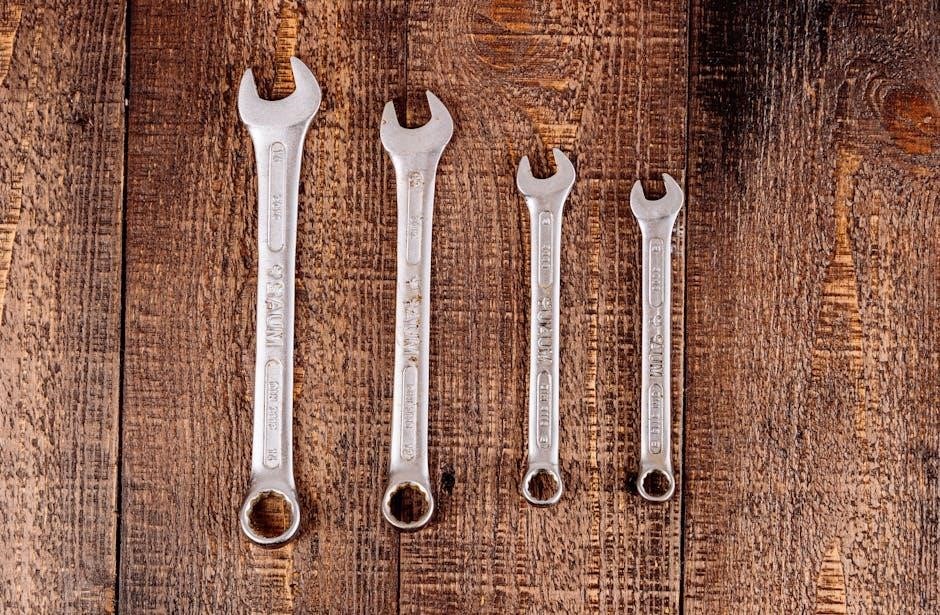
Replacing the TorqueMaster with a torsion spring system requires professional expertise, as improper installation can lead to serious injury or damage. Calculating spring weight ensures the door balances correctly, preventing strain on the opener and ensuring smooth, reliable performance. Always prioritize safety when dealing with garage door springs.

Transition from TorqueMaster to Traditional Torsion Springs

Switching from the Wayne Dalton TorqueMaster system to traditional torsion springs involves a complete overhaul of the door’s lifting mechanism. The TorqueMaster’s self-contained unit is replaced with standard torsion tubes, springs, cables, and brackets. This conversion isn’t a simple swap; it demands careful measurement and precise installation to ensure proper balance and safe operation.

Professional installation is highly recommended due to the inherent dangers of working with spring tension. Correct spring winding and bracket placement are critical. The transition offers improved parts availability and potentially lower long-term maintenance costs compared to sourcing discontinued TorqueMaster components.

Spring Weight Calculation (e.g., 96lb Door)

Determining the correct spring weight is crucial for safe and efficient garage door operation. For a 96lb door, calculating spring weight isn’t simply using 96lbs; it requires accounting for the door’s height and leverage. Typically, a chart is used, factoring in door height to determine the required spring wire size and overall spring length.

Professionals often use a formula considering door weight, height, and drum diameter. Incorrect spring weight can lead to excessive strain on the opener, or worse, a dangerous door failure. Always prioritize safety and consult a professional if unsure about spring calculations or installation.

Manual Access & Override Procedures

Wayne Dalton garage door openers feature an emergency release mechanism for manual operation during power outages or malfunctions. This typically involves pulling a red handle located on the garage door opener carriage, disconnecting the door from the motor. Once disengaged, the door can be lifted and lowered manually, though it may require significant force, especially with heavier doors.

Remember to re-engage the emergency release after use to restore automatic operation. Always exercise caution when manually operating the door, ensuring a clear path and avoiding pinch points. Familiarize yourself with this procedure before an emergency arises for swift and safe access.

Safety Features & Maintenance

Wayne Dalton garage door systems prioritize safety with features like photo-eye sensors that prevent the door from closing on obstructions. Regularly test these sensors by interrupting the beam while the door is closing – it should reverse immediately. Proper sensor alignment is crucial for reliable operation.

Routine maintenance includes visual inspections of springs, cables, and rollers for wear and tear. Lubricate moving parts to ensure smooth operation and prevent binding. Always disconnect power before performing any maintenance. Addressing minor issues promptly can prevent costly repairs and maintain optimal safety.

Sensor Alignment & Testing

Wayne Dalton garage door safety relies heavily on properly aligned photo-eye sensors. These sensors, located near the floor, create an invisible beam. Misalignment is a common cause of operational issues, often manifesting as a blinking light on the opener’s motor unit. To test, place an object in the door’s path while closing.

The door should immediately reverse. If it doesn’t, carefully adjust the sensor brackets until the indicator lights on both sensors illuminate steadily. Ensure nothing obstructs the beam – even dust or cobwebs can interfere. Correct alignment is vital for preventing accidental closures and ensuring safe operation.

Emergency Release Mechanism

The emergency release mechanism allows manual operation when power is lost or the opener malfunctions. Typically, a red-handled cord hangs from the central rail. Pulling this cord disengages the carriage from the door, enabling you to lift or lower it by hand.

Important: Exercise caution, as the door may be heavy! After use, re-engage the carriage by pulling the cord towards the opener until it clicks. Always test the opener’s functionality after re-engagement to confirm proper operation. Regularly check the cord’s accessibility and ensure it isn’t obstructed.

Wayne Dalton Model 8000 Series Information

The Wayne Dalton Model 8000 series, frequently replaced with LiftMaster 8500 systems, utilizes a unique TorqueMaster spring system, now often converted to traditional torsion springs. This series is known for potential “brain” failures, indicated by blinking lights and unresponsive operation despite functional motor buttons.

Replacement can be costly, potentially exceeding $1000 for a complete system upgrade, plus a service call fee (around $100) for brain replacement ($60 part cost). Access the official manual at http://www.wayne-dalton.com/files/manuals/8000SingleTMS-282358.pdf for detailed guidance.

Finding the Right Manual

Locating the correct Wayne Dalton garage opener manual is crucial for troubleshooting and maintenance. While Wayne Dalton’s legacy system support is diminishing, resources are still available online. A key resource is the official Wayne Dalton website, offering downloadable manuals, specifically the 8000 Series manual at http://www.wayne-dalton.com/files/manuals/8000SingleTMS-282358.pdf.

However, due to the integration with LiftMaster, searching for LiftMaster 8500 series manuals may also yield helpful information, particularly regarding replacement parts and system diagnostics. Remember that older Wayne Dalton systems may have limited parts availability, often necessitating a full system replacement.

Accessing the Wayne Dalton Manual Online (http://www.wayne-dalton.com/files/manuals/8000SingleTMS-282358.pdf)

This direct link provides access to the Wayne Dalton 8000 Single TMS manual, a vital resource for owners of this model. The PDF document details installation, operation, and troubleshooting procedures specific to the TorqueMaster system. Users can download and save this manual for offline access, ensuring information is readily available during maintenance or repair attempts.

Reviewing this manual is particularly important when diagnosing issues like spring breakage, as identifying a broken spring isn’t always visually obvious from the outside, often manifesting as a significantly heavier door. Understanding the manual’s guidance can save time and potentially avoid unnecessary service calls.

Cost of Replacement & Repair

Repairing or replacing a Wayne Dalton garage door opener can vary significantly in cost. A complete system replacement, particularly upgrading to a LiftMaster 8500 series, can easily exceed $1000, reflecting current market prices for comparable systems. However, simpler fixes, like replacing the “brain” (the control board), are less expensive.

The control board itself may cost around $60, but factor in a typical $100 service call fee for a professional to diagnose and install it. Wayne Dalton parts availability is limited, often necessitating a full system upgrade when components fail, as replacements are discontinued. DIY repairs can save on labor, but require technical expertise.

Full System Replacement Costs (e.g., $1000 for LiftMaster 8500)

A complete Wayne Dalton garage door opener system replacement typically ranges from $800 to $1500, depending on the chosen model and installation complexity. The LiftMaster 8500 series, a common upgrade path for older Wayne Dalton systems, often falls around the $1000 mark, including the opener, rails, and safety sensors.

This cost encompasses both the equipment and professional installation fees. Factors influencing the price include door weight, garage configuration, and any necessary wiring adjustments. Considering Wayne Dalton’s limited parts availability, a full replacement is frequently the most practical long-term solution when the original system fails irreparably.

Brain Replacement Costs (e.g., $60 + $100 Service Call)

Replacing the “brain” – the control board – of a Wayne Dalton garage door opener is often less expensive than a full system overhaul, but still requires careful consideration. The control board itself can cost approximately $60 to $120, depending on the specific model and vendor. However, the primary expense is usually the service call fee.

Most technicians charge around $100 for a service call, bringing the total cost to $160 ― $220. While the replacement is relatively straightforward, professional installation ensures proper programming and safety feature functionality. It’s crucial to confirm compatibility before purchasing a replacement brain.

Professional Service vs. DIY Repair

Deciding between professional garage door opener service and a DIY repair hinges on your technical skill and the complexity of the issue. Simple tasks like remote reprogramming are easily handled independently, utilizing the learn button functionality. However, issues involving spring replacement, TorqueMaster system conversions, or electrical components demand professional expertise;

Incorrectly handling these repairs can lead to injury or further damage. A technician ensures proper diagnosis, safe execution, and adherence to safety standards. While DIY saves on labor costs, professional service offers peace of mind and guarantees the repair is done correctly, potentially avoiding costly future issues.

Identifying Garage Door Weight

Determining your garage door’s weight is crucial for selecting the correct replacement springs or opener. While a precise measurement requires specialized tools, a rough estimate can be obtained by considering the door’s material and size. Steel doors are heavier than aluminum or wood. A standard single-car door typically weighs between 100-150 pounds, while double doors can exceed 250 pounds.

If a door is exceptionally difficult to lift manually, it likely weighs more than anticipated. For example, a 96lb door requires appropriately weighted springs for smooth operation. Incorrect spring weight can strain the opener and compromise safety, so accurate assessment is vital before any repair work begins.

Understanding the Learn Button Functionality

The “learn” button on your Wayne Dalton or LiftMaster opener is essential for programming new remote controls and ensuring secure access. This button initiates a pairing process, allowing the opener to recognize the unique signal from the remote. However, prolonged pressing of the learn button can inadvertently clear the opener’s existing memory, erasing all previously programmed remotes.

Therefore, exercise caution when using the learn button. A quick press is usually sufficient to enter learning mode. If you accidentally clear the memory, you’ll need to reprogram all your remotes. Refer to your manual for specific instructions tailored to your model.

Legacy System Support & Parts Availability

Wayne Dalton’s older garage door opener systems, particularly the TorqueMaster series, present increasing challenges regarding parts availability. As time passes, original components become discontinued, forcing owners towards complete system replacements rather than individual repairs. This is a common issue reported by users experiencing “brain” failures.

Finding replacement parts for these legacy systems can be difficult and expensive. While some retailers may stock universal remotes (like the 303 MHz Quantum 3212 replacement), specific internal components are often unavailable. Consequently, upgrading to a newer LiftMaster system, such as the 8500 series, is frequently the most practical solution.


Categories
Guide

a gentleman’s guide musical

A Gentleman’s Guide to Love and Murder: A Comprehensive Overview

A Gentleman’s Guide to Love and Murder, a hilarious musical, captivated audiences with its clever plot, memorable music, and exceptional Broadway production in 2013.

Origins and Inspiration

A Gentleman’s Guide to Love and Murder draws its inspiration from the 1906 novel Israel Rank: The Autobiography of a Criminal by Roy Horniman. This Victorian-era tale, a darkly comedic account of a man systematically eliminating the members of a wealthy family to inherit their fortune, provided the foundational narrative.

Robert L. Freedman, the book writer and lyricist, stumbled upon the novel and recognized its potential for a farcical musical adaptation. The story’s inherent humor and the opportunity for a single actor to portray multiple characters proved particularly appealing. Freedman envisioned a show that playfully embraced the conventions of Gilbert and Sullivan operettas, alongside influences from other comedic traditions. The initial spark for the musical came from a desire to create something witty, fast-paced, and thoroughly entertaining, transforming a tale of murder into a delightful theatrical experience.

The Original Broadway Production (2013)

A Gentleman’s Guide to Love and Murder officially opened on November 17, 2013, at the Walter Kerr Theatre on Broadway. Previews began on October 8, 2013, building anticipation for this unique musical comedy. The production quickly garnered attention for its innovative staging and Jefferson Mays’ remarkable performance, portraying all eight of the D’Ysquith family members.

Directed by Darko Tresnjak, the show was a critical and commercial success, delighting audiences with its clever wit and energetic performances. The musical’s blend of Victorian aesthetics and modern comedic sensibilities resonated with theatregoers. The original cast, led by Andrew Rannells as Monty Navarro, established the show’s signature style, setting the stage for its award-winning run and lasting legacy.

Key Creative Team Members

A Gentleman’s Guide to Love and Murder benefited from a supremely talented creative team. Robert L. Freedman penned the book and lyrics, crafting a witty and intricate narrative. Steven Lutvak composed the music and co-wrote the lyrics, delivering a score that brilliantly evokes the Gilbert and Sullivan operettas of the Victorian era.

Darko Tresnjak’s direction brought a stylish and inventive vision to the stage, particularly in handling the quick-change character work. The choreography by Peggy Hickey was energetic and seamlessly integrated into the storytelling. These key individuals, alongside designers like Alexander Dodge (Scenic Design) and Linda Cho (Costume Design), collaboratively created a cohesive and memorable theatrical experience.

Robert L. Freedman (Book and Lyrics)

Robert L. Freedman is the ingenious mind behind the book and lyrics of A Gentleman’s Guide to Love and Murder. His writing is characterized by sharp wit, clever wordplay, and a delightful embrace of theatrical convention. Freedman masterfully adapted the original 1907 novel, “Israel Rank,” by Roy Horniman, into a fast-paced, comedic musical.

He skillfully balanced the dark subject matter of serial killing with lighthearted humor, creating a uniquely entertaining experience. Freedman’s lyrics are particularly noteworthy for their intricate rhymes and ability to advance the plot while simultaneously providing comedic relief. His work on this musical earned him widespread acclaim and numerous awards.

Steven Lutvak (Music and Lyrics)

Steven Lutvak, alongside Robert L. Freedman, crafted the brilliant music and lyrics for A Gentleman’s Guide to Love and Murder. Lutvak’s score is a delightful pastiche of Gilbert and Sullivan operettas, blended with elements of jazz and vaudeville, creating a uniquely charming and sophisticated sound. He expertly captures the period setting and comedic tone of the show.

His melodies are memorable and engaging, perfectly complementing Freedman’s witty lyrics. Lutvak’s contributions were crucial in establishing the musical’s distinctive style and earning it critical praise. The soundtrack showcases his talent for crafting both humorous and heartfelt musical moments, solidifying his place as a prominent composer.

Plot Summary: A Tale of Inheritance and Intrigue

A Gentleman’s Guide to Love and Murder unfolds as a darkly comedic tale of inheritance and desperate ambition. Monty Navarro, a distant relative of the wealthy D’Ysquith family, learns he is the last living heir. Determined to claim his fortune, Monty embarks on a hilariously murderous quest to eliminate the eight relatives standing in his way.

The musical cleverly portrays Monty’s escalating schemes and increasingly outlandish disguises as he systematically dispatches each family member. Amidst the mayhem, a blossoming romance adds another layer to the intrigue. The plot is a whirlwind of witty dialogue, clever staging, and unexpected twists, culminating in a delightfully wicked and entertaining story.

The Character of Monty Navarro

Monty Navarro is the driving force behind A Gentleman’s Guide to Love and Murder, a charming yet ruthless protagonist. He’s a lower-class man fueled by a desire for social mobility and a substantial inheritance. Initially presented as an underdog, Monty quickly reveals a cunning and calculating nature as he plots to eliminate the D’Ysquith family.

Navarro’s character is complex; he’s both sympathetic and reprehensible, making him a captivating figure. His wit and charisma mask a cold determination, and his romantic pursuits add a layer of vulnerability. The role demands exceptional comedic timing and vocal ability, showcasing Monty’s transformation from hopeful heir to calculated murderer.

The D’Ysquith Family: A Gallery of Eccentrics

The D’Ysquith family, the targets of Monty Navarro’s schemes in A Gentleman’s Guide to Love and Murder, are a collection of delightfully peculiar characters. Each member embodies a different facet of aristocratic absurdity, contributing to the show’s comedic brilliance. From the haughty matriarch to the oblivious siblings, they represent the old money elite.

Jefferson Mays masterfully portrays all eight D’Ysquith relatives, each with distinct mannerisms and vocalizations. This feat of acting showcases the family’s shared arrogance and detachment from reality. Their eccentricities aren’t merely comedic devices; they highlight the flaws and vulnerabilities of the upper class, making them both targets of satire and objects of amusement.

Jefferson Mays’ Performance: A Tour de Force

Jefferson Mays’ performance in A Gentleman’s Guide to Love and Murder is widely considered a monumental achievement in theatrical history. He single-handedly portrays all eight members of the D’Ysquith family, each a fully realized and distinct character. This requires incredible vocal dexterity, physical transformation, and comedic timing.

Mays seamlessly transitions between each D’Ysquith, utilizing subtle changes in posture, voice, and expression to differentiate them. His ability to create such varied and memorable personalities within a single performance is truly remarkable. Critics and audiences alike lauded his tour-de-force, recognizing it as a masterclass in acting and a cornerstone of the show’s success. He died eight times on stage!

Awards and Recognition

A Gentleman’s Guide to Love and Murder garnered significant critical acclaim and numerous awards, solidifying its place as a modern musical theatre classic. The production was a major contender during the 2014 awards season, receiving widespread recognition for its creative achievements.

At the 2014 Tony Awards, the show won four awards, including Best Musical, Best Book of a Musical, Best Direction of a Musical, and Best Costume Design. The 2014 Drama Desk Awards also celebrated the show’s excellence, awarding Jefferson Mays and Bryce Pinkham for Outstanding Actor in a Musical, and Robert L. Freedman for Outstanding Book. These accolades demonstrate the show’s broad appeal and artistic merit.

2014 Tony Awards

A Gentleman’s Guide to Love and Murder experienced a triumphant evening at the 2014 Tony Awards, securing four prestigious wins. The show’s success highlighted its exceptional quality and resonated deeply with the Broadway community and audiences alike.

The production was honored with the award for Best Musical, recognizing its overall excellence in storytelling, music, and staging. Robert L. Freedman received the Tony for Best Book of a Musical, acknowledging his witty and ingenious script. Darko Tresnjak was awarded Best Direction of a Musical, and William Ivey Long won for Best Costume Design, showcasing the show’s visual splendor. These wins cemented A Gentleman’s Guide as a standout achievement in musical theatre.

2014 Drama Desk Awards

A Gentleman’s Guide to Love and Murder also garnered significant recognition at the 2014 Drama Desk Awards, further solidifying its critical acclaim. The show received multiple nominations and ultimately took home several awards, demonstrating its broad appeal and artistic merit within the New York theatre scene.

Jefferson Mays was honored with the award for Outstanding Actor in a Musical, a testament to his remarkable performance portraying the entire D’Ysquith family. Bryce Pinkham also received the award for Outstanding Actor in a Musical, recognizing his captivating portrayal of Monty Navarro. Furthermore, Robert L. Freedman was awarded Outstanding Book of a Musical, acknowledging his clever and engaging writing.

Musical Style and Influences

A Gentleman’s Guide to Love and Murder’s musical style is a delightful pastiche of Gilbert and Sullivan operettas, blended with elements of classic Broadway and early 20th-century American popular song. Steven Lutvak’s score cleverly mimics the conventions of these earlier forms, creating a sound that feels both familiar and fresh.

The show’s influences are readily apparent in its quick-paced patter songs, intricate harmonies, and theatrical orchestrations. There’s a strong emphasis on comedic timing and vocal dexterity, reminiscent of the works of composers like Arthur Sullivan. However, Lutvak infuses the score with a modern sensibility, resulting in a uniquely charming and entertaining musical experience.

Notable Songs from the Soundtrack

The A Gentleman’s Guide to Love and Murder soundtrack is brimming with memorable tunes, showcasing Steven Lutvak’s brilliant songwriting. The opening number, “A Gentleman’s Guide,” immediately establishes the show’s comedic tone and introduces the central premise with infectious energy.

“I’ve Decided to Marry You” is a particularly charming and witty duet, highlighting the romantic and farcical elements of the plot. Other standout tracks include songs that cleverly reveal character and advance the narrative. The soundtrack perfectly captures the show’s blend of sophistication and silliness, making it a joy to listen to even outside the context of the stage production.

“A Gentleman’s Guide” (Opening Number)

“A Gentleman’s Guide,” the show’s vibrant opening number, immediately immerses the audience in the world of the D’Ysquith family and Monty Navarro’s audacious scheme. The song expertly sets the stage, introducing the premise of inheriting a fortune through… less-than-honorable means.

Lyrically clever and musically energetic, it establishes the show’s distinctive comedic style. The ensemble work is particularly striking, creating a whirlwind of activity that mirrors Monty’s frantic pursuit of wealth. It’s a masterful piece of theatrical storytelling, efficiently conveying the core conflict and character motivations. The number’s infectious energy promises a delightfully dark and hilarious evening, drawing the audience into Monty’s world of inheritance and intrigue.

“I’ve Decided to Marry You”

“I’ve Decided to Marry You” is a charming and deceptively complex number within A Gentleman’s Guide. It showcases Monty’s calculated courtship of Sibella Hallward, highlighting his willingness to manipulate affections for personal gain. The song’s upbeat tempo and seemingly romantic lyrics mask a cynical undercurrent, revealing Monty’s pragmatic approach to love.

Musically, it’s a delightful pastiche of classic romantic ballads, cleverly subverted by the characters’ true intentions. The duet format allows for playful banter and reveals the power dynamics at play. It’s a pivotal moment, demonstrating Monty’s resourcefulness and Sibella’s shrewd understanding of his motives, all wrapped in a beautifully performed musical sequence.

Productions Beyond Broadway

Following its Broadway success, A Gentleman’s Guide to Love and Murder enjoyed a flourishing life beyond New York. Regional Theatre Productions quickly emerged, bringing the show to audiences across the United States, demonstrating its broad appeal and adaptability for various-sized venues. The Port Gamble Theatre, for example, staged a well-received production in 2025.

Furthermore, the musical ventured onto the international stage, with productions captivating audiences in countries worldwide. These productions often showcased local talent and adapted elements to resonate with different cultural contexts. The show’s enduring popularity speaks to its universal themes and engaging storytelling, solidifying its place as a modern theatrical favorite.

Regional Theatre Productions

A Gentleman’s Guide to Love and Murder quickly found a home in Regional Theatre circuits after its Broadway run. These productions allowed wider audiences to experience the comedic brilliance of the show, often with impressive local casts. The Port Gamble Theatre’s 2025 production is a prime example, lauded for its humor and self-awareness.

These regional stagings demonstrate the show’s adaptability and accessibility. While maintaining the core story and music, directors often creatively interpret the show to fit their theatre’s resources and community. This resulted in diverse and engaging interpretations, proving the show’s enduring appeal beyond major theatrical hubs and solidifying its place in the American theatrical landscape.

International Productions

While details regarding extensive International Productions of A Gentleman’s Guide to Love and Murder are currently limited in readily available sources, the show’s inherent comedic nature and relatively manageable cast size suggest potential for global appeal. The universal themes of ambition, greed, and family dysfunction transcend cultural boundaries, making it adaptable for diverse audiences.

Successful translation and adaptation of the witty lyrics and intricate plot would be crucial for international success. Further research is needed to document specific productions outside of English-speaking countries, but the show’s popularity and critical acclaim on Broadway and in Regional Theatre hint at possibilities for future international stagings.

The Show’s Humor and Satire

A Gentleman’s Guide to Love and Murder thrives on its delightfully dark humor and sharp satire of Edwardian society. The musical gleefully skewers the British aristocracy, portraying the D’Ysquith family as a collection of hilariously eccentric and self-absorbed individuals. The rapid-fire wit and clever wordplay in Robert L. Freedman’s lyrics contribute significantly to the comedic effect.

The premise of a man systematically murdering his way to an inheritance is inherently absurd, yet the show manages to find humor in the macabre. This satirical approach extends to commentary on class, social mobility, and the lengths people will go to for wealth and status, making it both entertaining and thought-provoking.

Themes Explored in the Musical

A Gentleman’s Guide to Love and Murder delves into several compelling themes beyond its comedic surface. Class and social mobility are central, as Monty Navarro’s ambition drives him to infiltrate and ultimately attempt to usurp the aristocratic D’Ysquith family. The musical sharply examines the rigid social structures of the Edwardian era and the desperation to climb the social ladder.

Furthermore, the show explores the corrosive effects of greed and ambition. Monty’s relentless pursuit of wealth and status leads him down a dark path, highlighting the moral compromises individuals make in their quest for power. The narrative questions the value of inheritance and the lengths to which one will go to secure it.

Class and Social Mobility

A Gentleman’s Guide to Love and Murder keenly satirizes the rigid class structure of Edwardian England, making class and social mobility a dominant theme. Monty Navarro, born into a lower social standing, relentlessly pursues acceptance into the aristocratic D’Ysquith family, driven by a desire for wealth and status. His journey highlights the immense barriers faced by those attempting to ascend the social hierarchy.

The musical portrays the D’Ysquith family as embodying the entrenched privilege of the upper class, seemingly oblivious to the struggles of those below them. Monty’s efforts to infiltrate their world, through marriage and, more darkly, elimination, expose the absurdity and injustice of a system built on inherited wealth and social standing.

Greed and Ambition

A Gentleman’s Guide to Love and Murder relentlessly explores the destructive power of greed and ambition, primarily through the character of Monty Navarro. His entire scheme – the systematic elimination of the D’Ysquith heirs – is fueled by an insatiable desire for the family fortune and the elevated social status it represents.

The musical doesn’t shy away from portraying the dark side of ambition, showcasing how it can corrupt and lead to morally reprehensible acts. Monty’s relentless pursuit of wealth overshadows any genuine emotional connection, transforming him into a calculating and ruthless figure. The D’Ysquith family, while seemingly secure in their privilege, also exhibit forms of greed, clinging fiercely to their inheritance.

Critical Reception and Audience Response

A Gentleman’s Guide to Love and Murder garnered overwhelmingly positive critical reception upon its Broadway debut in 2013. Critics lauded the show’s witty book, clever lyrics, and vibrant music, alongside Jefferson Mays’ phenomenal performance. Many praised its inventive staging and the sheer audacity of its comedic premise – turning murder into a source of uproarious laughter.

Audience response was equally enthusiastic. The musical quickly became a popular draw, consistently playing to packed houses. Its blend of sophisticated humor, engaging storyline, and memorable songs resonated with a broad spectrum of theatergoers. Reviews frequently highlighted the show’s entertainment value and its ability to deliver a thoroughly enjoyable theatrical experience.

The Show’s Lasting Legacy

A Gentleman’s Guide to Love and Murder, despite its Broadway run concluding, continues to hold a significant place in contemporary musical theatre. Its innovative approach to storytelling, blending farcical comedy with a compelling narrative, has inspired subsequent productions. The show’s success demonstrated a demand for clever, character-driven musicals with a unique theatrical voice.

Furthermore, the availability of the original soundtrack on platforms like Spotify ensures its music remains accessible to a wide audience. Regional and international productions demonstrate its enduring appeal. The show’s legacy is cemented by its numerous awards and the unforgettable performance of Jefferson Mays, influencing aspiring performers and solidifying its place in theatre history.

Where to Find the Soundtrack and Recordings

For those eager to experience the delightful music of A Gentleman’s Guide to Love and Murder, several avenues exist. The original Broadway cast recording is readily available for purchase and streaming on major platforms like Spotify, Apple Music, and Amazon Music. Digital downloads are also accessible through online retailers.

Physical copies of the soundtrack, including CDs, can be found at music stores and online marketplaces. Searching for “A Gentleman’s Guide soundtrack” will yield numerous results. Bootleg recordings of performances may exist, but supporting the official release ensures continued artistic creation. Enjoy revisiting the witty lyrics and memorable melodies!

Similar Musicals and Recommended Viewing

If you enjoyed the witty humor and intricate plotting of A Gentleman’s Guide to Love and Murder, several other musicals might appeal to your tastes. Spamalot, with its irreverent take on Arthurian legend, shares a similar comedic sensibility. The Drowsy Chaperone, a loving parody of classic musicals, offers a meta-theatrical experience.

For fans of dark comedy, Little Shop of Horrors provides a delightfully macabre tale. Consider exploring works by Stephen Sondheim, like Sweeney Todd, for sophisticated musical storytelling. These productions, like A Gentleman’s Guide, blend clever lyrics, memorable music, and engaging narratives.

Categories
Manuals

singer heavy duty 6800c manual

Singer Heavy Duty 6800C Manual: A Comprehensive Guide

Discover a detailed resource for your sewing machine, offering 44 pages of instructions, covering operation, maintenance, and troubleshooting for optimal performance and longevity.

The Singer Heavy Duty 6800C is a robust and reliable sewing machine engineered for tackling a wide range of projects, from light everyday alterations to heavier-duty tasks like denim and canvas work. Built upon the legacy of the Singer brand – a name synonymous with sewing since 1851 and the invention of the first practical sewing machine – this model represents a commitment to durability and performance.

This machine isn’t just about power; it’s about providing a user-friendly experience. Featuring 32 built-in stitches and an extra-high sewing speed, the 6800C empowers both beginners and experienced sewists to bring their creative visions to life. Its heavy-duty metal interior frame and stainless steel bedplate contribute to its stability and longevity, ensuring it can withstand consistent use.

This comprehensive guide serves as your companion to unlocking the full potential of your Singer Heavy Duty 6800C. We will navigate you through every aspect of the machine, from initial setup and threading to advanced features and maintenance, ensuring a seamless and enjoyable sewing journey.

Key Features and Specifications

The Singer Heavy Duty 6800C boasts a powerful motor designed to effortlessly sew through multiple layers of fabric, including denim, upholstery, and canvas. Its heavy-duty metal interior frame provides exceptional durability and minimizes vibrations, ensuring consistent stitch quality. The stainless steel bedplate further enhances stability and facilitates smooth fabric feeding.

Key specifications include 32 built-in stitches – offering versatility for various projects – and an extra-high sewing speed, significantly reducing project completion time. The machine features adjustable stitch length and width, allowing for customization and creative expression. A convenient needle position setting provides enhanced control, particularly useful for techniques like appliqué and free-motion quilting.

Furthermore, the 6800C includes a drop-in bobbin system for easy setup and monitoring, and is compatible with a wide range of optional presser feet, expanding its capabilities. With a focus on both power and precision, this machine is a valuable asset for any sewing enthusiast.

Unboxing and Initial Setup

Upon unboxing your Singer Heavy Duty 6800C, carefully inspect all components against the included parts list. Ensure everything is present, including the machine, power cord, foot controller, accessory kit, and instruction manual. Remove all packaging materials and protective coverings.

Begin setup by placing the machine on a stable, level surface with adequate lighting. Connect the power cord and foot controller. Next, attach the power foot to the machine, ensuring it clicks securely into place. Install a suitable needle (refer to the needle selection guide) and wind a bobbin with matching thread.

Properly inserting the bobbin is crucial for smooth operation; consult the manual for detailed instructions. Finally, thread the machine following the numbered threading path diagram. A test stitch on scrap fabric confirms correct setup before starting your project. Familiarize yourself with all controls before beginning.

Parts Identification

The Singer Heavy Duty 6800C comprises several key components. The machine features a heavy-duty metal frame providing stability, and a stainless steel bedplate for smooth fabric flow. Identify the power switch, foot controller, handwheel, and stitch selection dial. Locate the bobbin winder, tension dials, and reverse stitch lever.

Essential accessories include various presser feet – standard, zipper, buttonhole, and more – each designed for specific tasks. Familiarize yourself with the needle clamp, presser foot shank, and throat plate. The bobbin case and cover plate are vital for bobbin functionality.

Understand the function of the spool pin, thread guides, and take-up lever, crucial for proper threading. The accessory tray holds additional feet and tools. Refer to the detailed diagrams in the manual to pinpoint each part’s location and purpose, ensuring confident operation and maintenance.

Threading the Machine

Proper threading is crucial for optimal Singer Heavy Duty 6800C performance. Begin by raising the presser foot and ensuring the needle is in its highest position; Guide the thread from the spool, through the first thread guide, and around the tension discs – ensuring it seats firmly between them.

Next, lead the thread up and through the take-up lever, then down and around the second thread guide. Continue threading through the needle clamp, from front to back, and finally, insert the thread into the eye of the needle.

Always refer to the threading diagram in your manual for a visual guide. Incorrect threading can cause skipped stitches or tension issues. Double-check each step to confirm the thread is correctly seated in all guides and the tension is appropriately adjusted. A correctly threaded machine ensures smooth, consistent stitching.

Winding the Bobbin

Winding the bobbin on your Singer Heavy Duty 6800C is a straightforward process. First, place the thread spool on the spool pin. Next, draw the thread through the thread guide and onto the bobbin. Secure the bobbin onto the bobbin winder spindle, ensuring it clicks into place.

Engage the bobbin winder by sliding the bobbin winder lever to the right. Gently press the foot pedal to begin winding. The machine will automatically stop when the bobbin is full. Disengage the bobbin winder by sliding the lever back to its original position.

Always use the correct type of bobbin for your machine, as specified in the manual. Consistent bobbin winding ensures even stitch formation. Regularly check the bobbin for proper winding and replace it when necessary for optimal sewing results. A full bobbin is essential for uninterrupted projects.

Basic Operation: Stitch Selection

Selecting a stitch on the Singer Heavy Duty 6800C is simple and intuitive. The machine boasts 32 built-in stitches, offering versatility for various sewing projects. Locate the stitch selection dial on the front of the machine. Rotate the dial to the desired stitch number, referencing the stitch guide printed nearby.

The stitch guide displays a visual representation of each stitch, along with its recommended uses – from straight stitching for seams to zigzag for finishing raw edges. Ensure the stitch width and length are appropriately set for your chosen fabric and project. Experiment with different stitches to achieve desired effects.

For basic garment construction, a straight stitch is commonly used. Decorative stitches add embellishment. Always test the selected stitch on a scrap fabric before starting your project to confirm the settings are correct and the stitch appears as expected.

Adjusting Stitch Length and Width

Fine-tuning your stitches on the Singer Heavy Duty 6800C involves adjusting both length and width. Locate the stitch length dial, typically positioned near the stitch selection dial. Rotating this dial controls the distance between each stitch; smaller numbers create shorter stitches, ideal for delicate fabrics, while larger numbers produce longer stitches for basting or heavier materials.

The stitch width dial adjusts the side-to-side deviation of stitches like zigzag. A smaller width creates a narrow zigzag, useful for reinforcing edges, while a wider setting produces a broader zigzag for decorative applications or stretch fabrics. Always test adjustments on scrap fabric.

Proper stitch length and width are crucial for seam strength and appearance. Incorrect settings can lead to puckering, skipped stitches, or weakened seams. Refer to the stitch guide for recommended settings based on fabric type and stitch selection.

Needle and Thread Selection Guide

Choosing the correct needle and thread is paramount for successful sewing with your Singer Heavy Duty 6800C. Needle size corresponds to fabric weight; lighter fabrics require smaller needles (e.g., size 80/12), while heavier fabrics demand larger needles (e.g., size 100/16). Universal needles work well for woven fabrics, while ballpoint needles are best for knits to prevent snagging.

Thread weight also matters. Lighter-weight threads are suitable for delicate fabrics, while heavier-weight threads are ideal for denim or upholstery. Polyester thread is a versatile all-purpose option, while cotton thread is excellent for natural fibers. Always match thread color to fabric for a seamless finish.

Using the wrong needle or thread can cause skipped stitches, thread breakage, or fabric damage. Consult the manual’s chart for specific recommendations based on your project’s materials.

Advanced Features: Needle Position, Reverse Stitch

The Singer Heavy Duty 6800C offers features enhancing sewing precision and durability. Adjustable needle position allows you to shift the needle left, center, or right, crucial for techniques like inserting zippers or piping, and achieving decorative stitching effects. This control provides greater accuracy and professional-looking results.

The reverse stitch function is essential for securing seams at the beginning and end of a stitch line, preventing unraveling. Utilize the dedicated reverse lever or button to easily backstitch over a few stitches. Mastering this technique ensures garment longevity and a polished finish.

Experiment with these features to unlock the machine’s full potential. Refer to the manual for detailed instructions and practice on scrap fabric before tackling your project.

Presser Feet: Types and Usage

The Singer Heavy Duty 6800C’s versatility is significantly expanded by its range of presser feet. The standard presser foot is ideal for everyday sewing, while the zipper foot facilitates close-stitch applications along zippers and cording. A buttonhole foot ensures consistently sized and neatly finished buttonholes, streamlining garment construction.

Explore additional feet like the satin stitch foot for decorative stitching, and the rolled hem foot for delicate edging. Understanding each foot’s purpose unlocks specialized techniques. The manual details each foot’s specific application and proper installation.

Investing in a wider presser foot collection broadens your creative possibilities. Regularly check compatibility and ensure secure attachment before each use. Proper foot selection dramatically improves stitch quality and project outcomes.

Troubleshooting Common Issues

Encountering difficulties with your Singer Heavy Duty 6800C is common, but often easily resolved. Thread bunching typically indicates improper threading or incorrect tension settings – consult the manual’s threading diagram and tension adjustment guide. Skipped stitches can stem from a dull or incorrectly sized needle; replace it with a suitable type for your fabric.

If the machine jams, immediately stop and carefully remove the fabric and bobbin case, checking for tangled threads. A broken needle requires immediate replacement to prevent further damage. The manual provides detailed diagrams for these repairs.

Consistent issues may signal a need for professional servicing. Regularly referencing the troubleshooting section minimizes downtime and ensures continued smooth operation. Remember safety first – always unplug the machine before attempting any repairs.

Maintenance and Cleaning

Regular maintenance is crucial for extending the life of your Singer Heavy Duty 6800C. After each use, brush away lint from the bobbin area and feed dogs using the provided brush. This prevents dust buildup that can cause jams and affect stitch quality. Periodically clean the exterior with a soft, damp cloth – avoid harsh chemicals.

Oil key lubrication points, as detailed in the manual, to ensure smooth operation. A well-oiled machine reduces friction and prevents wear. Inspect the belt for wear and tear, replacing it if necessary (see the belt replacement guide).

Consistent cleaning and lubrication, following the manual’s guidelines, will maintain peak performance and prevent costly repairs; Remember to always unplug the machine before performing any maintenance tasks for safety.

Belt Replacement Guide

Replacing the belt on your Singer Heavy Duty 6800C is a manageable task that restores power transmission when it becomes worn or broken. First, unplug the machine! Remove the access panels – consult your manual for specific locations. Carefully detach the old belt from the motor pulley and the handwheel.

Note the belt’s routing before removal for correct reinstallation. Position the new belt onto the motor pulley, then stretch it carefully over the handwheel. Ensure the belt sits securely in the grooves of both pulleys. Reattach the access panels, ensuring all screws are tightened.

Before plugging the machine back in, manually turn the handwheel to confirm the belt is running smoothly. A properly installed belt will restore the machine’s sewing power. Refer to the official manual for detailed diagrams and step-by-step instructions.

Motor Care and Lubrication

Maintaining your Singer Heavy Duty 6800C’s motor is crucial for its longevity and performance. Regular cleaning prevents dust buildup, which can cause overheating and reduced efficiency. Always disconnect the power before any maintenance! Use a soft brush to remove lint and debris from the motor area.

Lubrication is key, but avoid over-oiling. The manual specifies lubrication points – typically the motor bearings. Use only sewing machine oil; other lubricants can cause damage. Apply a few drops to each designated point, then run the machine briefly to distribute the oil.

Listen for unusual noises during operation, which could indicate a lubrication issue or motor problem. If problems persist, consult a qualified technician. Proper motor care ensures smooth, powerful sewing for years to come. Refer to the official manual for specific diagrams and oiling instructions.

Safety Precautions

Prioritizing safety when operating your Singer Heavy Duty 6800C is paramount. Always disconnect the machine from the power source before threading, changing the needle, or performing any maintenance. Keep fingers away from the needle while sewing – use the needle plate as a guide.

Never sew over pins or thick layers of fabric, as this can damage the needle and potentially cause injury. Ensure the area around the machine is well-lit and free of obstructions. Supervise children closely when the machine is in use, and store it securely when not in operation.

Avoid using damaged power cords or attempting repairs yourself. If the machine malfunctions, consult a qualified technician. Wear appropriate eye protection when sewing, especially with delicate or fast-moving materials. Following these precautions will ensure a safe and enjoyable sewing experience.

Accessing the Official Manual and Support

For comprehensive guidance, download a free copy of the complete user manual, stitch guides, and machine updates directly from the official SINGER website. This resource, encompassing 44 pages, provides detailed instructions for optimal machine performance.

SINGER offers extensive support options, including warranty information, terms and conditions, and access to expert assistance for your sewing machine. Explore their manuals and updates page to ensure you have the latest information at your fingertips.

Need help? Contact SINGER’s support team for assistance with troubleshooting, maintenance, or any other questions you may have. They also provide a wealth of online resources, including stitch guides and helpful tips to enhance your sewing experience. Visit their website to discover a community of sewists and access valuable learning materials.

Where to Find Replacement Parts

Maintaining your Singer Heavy Duty 6800C requires occasional part replacements. Fortunately, SINGER offers a convenient avenue for sourcing genuine components to ensure continued optimal performance. Explore the official SINGER website, navigating to their parts section, to locate specific items needed for repairs or upgrades.

Alternatively, authorized SINGER retailers and service centers stock a wide range of replacement parts. These locations provide expert advice and assistance in identifying the correct components for your machine model. Online marketplaces also offer a selection of SINGER parts, but verifying authenticity is crucial.

When ordering, have your machine’s model number readily available to guarantee compatibility. Regularly inspecting and replacing worn parts, such as needles, bobbins, and belts, will prolong the life of your Singer Heavy Duty 6800C and maintain its sewing quality.

Categories
PDF

glossary of composite terms pdf

Composite Australia provides a concise glossary‚ defining over fifty terms in one or two sentences each‚ aiding understanding of fibre reinforced plastics.

The Importance of a Composite Materials Glossary

A comprehensive glossary of composite materials terms is fundamentally important for clear communication and consistent understanding within the industry; The diverse nature of composites‚ encompassing various materials and processes‚ necessitates a shared vocabulary. Without it‚ ambiguity can arise in design‚ manufacturing‚ and quality control‚ potentially leading to errors and inefficiencies.

Resources like the Composite Australia glossary‚ defining over fifty terms concisely‚ play a crucial role in bridging knowledge gaps. These glossaries ensure that engineers‚ technicians‚ and researchers all interpret key concepts – such as matrix‚ reinforcement‚ composite‚ fiber‚ laminate‚ resin‚ catalyst‚ and cure – in the same way. This standardization is vital for successful collaboration and innovation. Furthermore‚ understanding manufacturing processes like pultrusion and filament winding relies on a common terminology.

Scope of this Glossary

This glossary aims to provide a foundational understanding of terms commonly encountered in the field of advanced composite materials. It focuses on defining key concepts related to material composition‚ manufacturing techniques‚ and fundamental properties. The scope encompasses definitions for materials like fibre reinforced plastics‚ clarifying components such as the matrix and reinforcement.

It includes explanations of essential processes like filament winding and pultrusion‚ alongside structural descriptions like an angle-ply laminate. Chemical properties are also addressed‚ with terms like anhydride and anhydrous explained. While not exhaustive‚ this glossary serves as a valuable starting point for those new to composites‚ offering concise definitions – typically one to two sentences each – as exemplified by resources from Composite Australia. It doesn’t delve into highly specialized or niche applications.

Fundamental Composite Material Definitions

Key terms like matrix‚ reinforcement‚ composite‚ fiber‚ laminate‚ and resin are concisely defined‚ providing a base for understanding composite materials.

Composite Material

A composite material results from combining two or more distinct materials‚ creating a new material with properties superior to those of the individual components. This synergistic effect is the core principle behind utilizing composites in diverse applications. The glossary emphasizes that understanding this fundamental definition is crucial for navigating the complexities of composite science and engineering.

These materials typically consist of a matrix and a reinforcement‚ working in tandem to achieve desired characteristics. The composite’s overall performance is heavily influenced by the selection of these constituents and the manner in which they are combined. The glossary provides a foundational understanding of this interplay‚ setting the stage for exploring more advanced concepts within the field of composite materials. It’s a building block for further learning.

Matrix

The matrix in a composite material serves as the binder‚ surrounding and supporting the reinforcement to distribute applied loads and protect it from environmental damage. Often a resin‚ the matrix dictates the composite’s form and contributes significantly to its properties‚ like compressive strength and stiffness. The glossary highlights its crucial role in transferring stress to the reinforcing fibers‚ enabling them to effectively resist tensile forces.

Different matrix materials – polymers‚ metals‚ or ceramics – offer varying performance characteristics. The choice depends on the application’s specific requirements. Understanding the matrix’s behavior‚ including its response to temperature and chemical exposure‚ is vital for designing durable and reliable composite structures. The glossary provides a concise definition‚ emphasizing its integral function within the composite system.

Reinforcement

Reinforcement within a composite material provides the primary strength and stiffness‚ bearing the majority of the applied load. Commonly in the form of fibers‚ it dramatically enhances the material’s mechanical properties compared to the matrix alone. The glossary defines reinforcement as the phase responsible for load-carrying capacity‚ highlighting its critical contribution to overall composite performance.

Various reinforcement types exist‚ including glass‚ carbon‚ and aramid fibers‚ each offering unique advantages. Fiber orientation and volume fraction significantly impact the composite’s directional properties. Understanding how reinforcement interacts with the matrix is crucial for optimizing structural integrity. The glossary’s concise definition underscores its fundamental role in creating high-performance composite materials‚ enabling tailored properties for diverse applications.

Fiber

A fiber‚ as defined in the composite materials glossary‚ is a primary component of the reinforcement phase‚ characterized by its high aspect ratio – meaning it’s significantly longer than it is wide. These elongated structures are crucial for transferring stress within the composite‚ contributing substantially to its strength and stiffness. The glossary succinctly identifies fibers as the load-carrying element within the reinforcement.

Fibers come in various forms‚ including continuous filaments and chopped strands‚ influencing the composite’s mechanical behavior. Materials like glass‚ carbon‚ and aramid are commonly used to create fibers‚ each offering distinct properties. Fiber volume fraction‚ the ratio of fiber volume to total composite volume‚ is a key parameter affecting performance. Understanding fiber characteristics is essential for designing effective composite structures‚ as highlighted by the glossary’s clear definition.

Resin

The composite materials glossary defines resin as the matrix component‚ a crucial element binding the reinforcement fibers together. This polymeric material distributes load to the fibers‚ protects them from environmental damage‚ and maintains the composite’s shape. Resins can be thermosetting‚ undergoing irreversible curing‚ or thermoplastic‚ capable of repeated softening and reshaping with heat.

Key properties of resins include viscosity‚ strength‚ and chemical resistance‚ all impacting the final composite’s performance. A catalyst initiates the cure process‚ transforming the liquid resin into a solid matrix. Understanding resin chemistry is vital‚ particularly concerning terms like anhydrous and anhydride‚ which relate to water content and specific acid types used in resin formulations. The glossary emphasizes the resin’s role in overall composite integrity.

Composite Manufacturing Processes

The glossary details processes like filament winding and pultrusion‚ essential for creating composite structures‚ alongside defining the creation of a laminate.

Filament Winding

While the provided glossary doesn’t explicitly detail the process of filament winding‚ its inclusion as a defined term within composite manufacturing highlights its significance. Filament winding is a sophisticated technique used to create high-strength‚ lightweight structures. It involves continuously winding filaments – typically carbon fiber‚ fiberglass‚ or aramid – under tension over a rotating mandrel.

These filaments are coated with a resin matrix material‚ which hardens to bind the fibers together and distribute loads. The winding pattern can be tailored to optimize the structural performance of the finished component‚ allowing for precise control over fiber orientation and thickness. This process is commonly employed in the production of pressure vessels‚ pipes‚ and aerospace components‚ where high strength-to-weight ratios are crucial. Understanding this process is aided by a clear composite materials terminology.

Pultrusion

The composite materials glossary identifies pultrusion as a key manufacturing process‚ though it doesn’t elaborate on the specifics. Pultrusion is a continuous process for manufacturing composite materials with a constant cross-section. It involves pulling reinforcing fibers – such as glass‚ carbon‚ or aramid – through a resin bath and then through a heated die that shapes and cures the composite material.

This method is highly efficient for producing long‚ straight profiles like rods‚ tubes‚ and structural shapes. The continuous nature of pultrusion allows for high production rates and consistent quality. The resulting parts exhibit excellent strength and stiffness along their length‚ making them ideal for applications in construction‚ transportation‚ and infrastructure. A solid understanding of composite terminology is essential when discussing pultruded components and their properties.

Laminate

The composite material glossary defines a laminate as a fundamental structure in composite manufacturing. A laminate is essentially a layered assembly of two or more materials bonded together to create a stronger and more durable structure. In the context of composites‚ laminates are typically constructed from multiple layers‚ or plies‚ of reinforcing fibers embedded in a resin matrix.

These plies can be oriented in different directions to tailor the laminate’s mechanical properties to specific application requirements. An angle-ply laminate‚ as defined within the glossary’s scope‚ features plies oriented at alternating angles‚ enhancing strength. Laminates are widely used in aerospace‚ automotive‚ and marine industries due to their high strength-to-weight ratio and design flexibility. Understanding laminate construction is crucial for interpreting composite material specifications.

Specific Composite Material Types & Structures

Three dimensional woven structures achieve approximately 50% fibre volume fraction within both 3D unit cell and 3D orthogonal structures‚ as detailed.

Angle-Ply Laminate

An angle-ply laminate represents a specific configuration within composite structures‚ characterized by the strategic orientation of its constituent layers‚ known as laminae. Unlike other laminate types‚ an angle-ply laminate distinguishes itself through the alternating angles assigned to adjacent plies. This deliberate arrangement deviates from the conventional 0/90-degree stacking sequence often employed in simpler laminates.

Specifically‚ the laminae within an angle-ply laminate are oriented at angles other than a right angle – meaning they aren’t simply perpendicular to each other. These angles are carefully selected based on the desired mechanical properties and performance characteristics of the final composite component. The alternating angles contribute to enhanced torsional stiffness and improved resistance to shear stresses‚ making angle-ply laminates suitable for applications demanding robust structural integrity and complex load-bearing capabilities.

Understanding this specific laminate construction is crucial for engineers and designers working with composite materials‚ as it directly impacts the overall strength‚ stiffness‚ and durability of the finished product.

Three Dimensional Woven Structures

Three Dimensional woven structures represent a significant advancement in composite material design‚ enabling the creation of components with enhanced properties and complex geometries. These structures move beyond traditional two-dimensional laminates by incorporating fibers that interlock in three orthogonal directions‚ resulting in a truly isotropic material – meaning properties are consistent regardless of direction.

According to Composite Australia‚ these advanced structures can achieve remarkably high fiber volume fractions‚ reaching approximately 50% within both 3D unit cell and 3D orthogonal structures. This high fiber content directly translates to increased strength‚ stiffness‚ and impact resistance. The intricate weaving pattern provides exceptional interlaminar bonding‚ minimizing delamination and improving overall structural integrity.

These structures are particularly valuable in applications requiring high performance under multi-directional loading‚ such as aerospace components‚ automotive parts‚ and sporting goods. Their complex architecture allows for tailored material properties and optimized structural performance.

Fiber Volume Fraction

Fiber volume fraction is a critical parameter in composite material characterization‚ representing the proportion of the composite’s volume occupied by reinforcing fibers. It’s typically expressed as a percentage and significantly influences the mechanical properties of the final composite component‚ directly impacting its strength‚ stiffness‚ and weight. A higher fiber volume fraction generally leads to improved mechanical performance‚ but can also increase manufacturing complexity.

As highlighted by Composite Australia‚ utilizing advanced manufacturing techniques like employing three dimensional woven structures allows for achieving substantial fiber volume fractions. Specifically‚ these structures can attain fiber volume fractions around 50% within both 3D unit cell and 3D orthogonal structures.

Optimizing fiber volume fraction is crucial during the design and manufacturing phases to balance performance requirements with processability and cost-effectiveness. Careful consideration must be given to resin content and fiber packing efficiency.

Chemical & Material Properties

Anhydride is an acid lacking water‚ while anhydrous signifies a compound devoid of water; a catalyst initiates cure‚ a hardening process.

Anhydride

Within the realm of composite materials‚ understanding the role of chemical components is paramount‚ and anhydrides represent a crucial class of compounds frequently employed in resin systems. Specifically‚ an anhydride is generally defined as an acid derivative formed through the removal of water – practically or theoretically – from the parent acid. A prime example‚ as noted in composite terminology resources‚ is acetic anhydride.

These compounds are particularly significant as curing agents for epoxy resins‚ initiating the crosslinking process that transforms a liquid resin into a solid‚ durable matrix. The reaction between an anhydride and an epoxy resin typically requires elevated temperatures to proceed efficiently‚ resulting in a thermoset polymer with enhanced thermal and mechanical properties. The precise type of anhydride used influences the final characteristics of the cured composite‚ impacting factors like glass transition temperature and resistance to chemical degradation.

Therefore‚ careful selection and control of anhydride content are essential for achieving desired performance attributes in composite structures.

Anhydrous

The term anhydrous holds significant importance in composite material science‚ particularly when dealing with resin systems and their reactivity. As defined within composite materials glossaries‚ anhydrous describes a compound or mixture that has completely lost its water content. This encompasses both water of crystallization – water chemically bound within the crystal structure of a substance – and any absorbed water present in the material.

Maintaining an anhydrous environment is often critical during composite manufacturing processes‚ especially when utilizing moisture-sensitive resins like epoxies. Even trace amounts of water can interfere with the curing reaction‚ leading to incomplete crosslinking‚ reduced mechanical properties‚ and potential defects in the final composite structure.

Therefore‚ meticulous drying procedures and storage protocols are implemented to ensure that all components remain rigorously anhydrous prior to and during processing‚ guaranteeing optimal performance and durability of the finished composite product.

Catalyst

Within the realm of composite materials‚ a catalyst plays a crucial role in initiating and controlling the curing process of thermosetting resins. As defined in composite terminology glossaries‚ a catalyst is a substance that accelerates a chemical reaction without being consumed in the process itself. It essentially lowers the activation energy required for the resin molecules to crosslink and solidify.

Different resin systems employ various types of catalysts‚ such as peroxides for polyester resins or amines for epoxy resins. The precise amount of catalyst added is carefully calculated to achieve the desired cure rate and final material properties.

Proper catalyst selection and dosage are paramount‚ as insufficient catalyst can lead to incomplete curing‚ while excessive amounts may result in rapid‚ uncontrolled reactions and potential degradation of the composite material.

Cure

The term cure‚ as detailed in composite material glossaries‚ refers to the chemical process that transforms a liquid resin system into a solid‚ cross-linked polymer matrix. This transformation is typically initiated by the addition of a catalyst and often involves the application of heat‚ though some resins cure at room temperature. During curing‚ the resin molecules undergo a series of chemical reactions‚ forming strong covalent bonds that create a rigid‚ three-dimensional network.

The degree of cure significantly impacts the final properties of the composite‚ influencing its strength‚ stiffness‚ and resistance to environmental factors.

Complete curing is essential for achieving optimal performance‚ and manufacturers carefully control parameters like temperature‚ pressure‚ and time to ensure a fully cured composite component. Improper curing can lead to reduced mechanical properties and long-term durability issues.

Advanced Composite Concepts

Three Dimensional woven structures achieve around 50% fibre volume fraction within both 3D unit cell and 3D orthogonal structures‚ as defined.

3D Unit Cell

The concept of a 3D unit cell is central to understanding advanced composite material structures‚ particularly those created using three-dimensional weaving techniques. These structures‚ as highlighted by Composite Australia‚ demonstrate the potential to achieve significant fibre volume fractions – around 50% – within the cellular architecture.

A 3D unit cell represents the smallest repeating element of a three-dimensional woven composite. It’s a fundamental building block that‚ when replicated in all directions‚ forms the overall composite structure. This differs from traditional laminates‚ which are built up from two-dimensional plies. The intricate interweaving of fibres within the unit cell contributes to enhanced mechanical properties‚ including improved strength‚ stiffness‚ and impact resistance.

Understanding the geometry and fibre arrangement within the 3D unit cell is crucial for predicting the composite’s overall performance. These structures‚ alongside 3D orthogonal structures‚ represent a significant advancement in composite material design and manufacturing.

3D Orthogonal Structures

3D orthogonal structures represent a sophisticated advancement in composite material design‚ closely linked to the utilization of 3D unit cells. As noted by Composite Australia‚ these structures enable the creation of composite materials boasting substantial fibre volume fractions‚ reaching approximately 50% throughout the entire structure. This high fibre content directly translates to superior mechanical characteristics.

The term “orthogonal” signifies that the fibres within the structure are woven in three mutually perpendicular directions – length‚ width‚ and thickness. This orthogonal arrangement provides exceptional multi-directional strength and resistance to deformation. Unlike traditional laminates with limited through-thickness properties‚ 3D orthogonal structures exhibit consistent performance regardless of the load direction.

These structures are particularly valuable in applications demanding high strength-to-weight ratios and robust performance under complex loading conditions‚ offering a significant improvement over conventional composite designs.

Resources & Further Learning

YouTube Studio serves as a central hub for creators‚ offering tools to manage channels‚ engage audiences‚ and explore diverse YouTube content.

Composite Australia Resources

Composite Australia offers valuable resources for those seeking to deepen their understanding of composite materials. Specifically‚ they provide a glossary defining over fifty key terms concisely – typically within one to two sentences each. This glossary is particularly useful for navigating the complexities of fibre reinforced plastics‚ ensuring clarity around fundamental concepts.

The glossary covers essential terminology related to materials‚ manufacturing processes‚ and properties. Key terms defined include matrix‚ reinforcement‚ composite‚ fiber‚ laminate‚ resin‚ catalyst‚ and cure. Furthermore‚ it clarifies processes like pultrusion and filament winding. Understanding these definitions is crucial for professionals and students alike‚ fostering effective communication and a solid foundation in composite technology. This resource is a cornerstone for anyone involved in the field.

YouTube Studio for Composites Information

YouTube Studio serves as a central hub for creators‚ offering a comprehensive suite of tools to manage their online presence and cultivate their channels. While a direct composite materials glossary isn’t hosted within YouTube Studio itself‚ the platform provides access to a wealth of educational content related to composites.

Creators utilize YouTube Studio to interact with their audience‚ analyze channel performance‚ and monetize their content. Searching for terms like “composite materials‚” “fiberglass‚” or specific manufacturing processes (like filament winding or pultrusion) reveals numerous informative videos. These resources can supplement the Composite Australia glossary‚ offering visual demonstrations and practical insights. YouTube Studio empowers creators to share knowledge and build communities around specialized topics like advanced composite structures and material science‚ enhancing learning opportunities.